Ware & regional marks

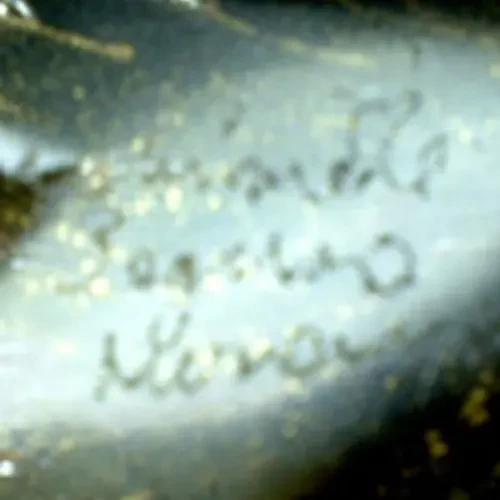
Seguso signature

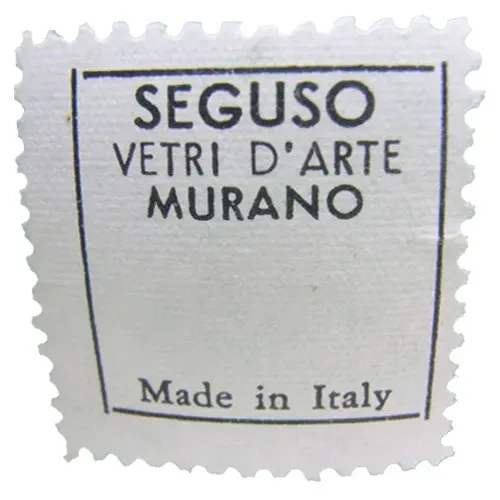
Seguso signature is associated with art glass and vases from Murano, Venice, Italy. Seguso signature includes dated examples from 1933–1989.

Tradition from
From 1946
Country
Italy
City / region
Murano, Venice
Products
Art glass, Vases, Bowls, Sculpture, Lighting
Marks
22

Selected modern furnace histories begin 1933; Archimede’s independent furnace began 1946. Family glassmaking is older. Later corporate changes and brand revival prevent one common end date.

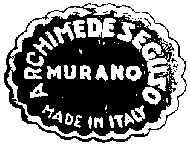
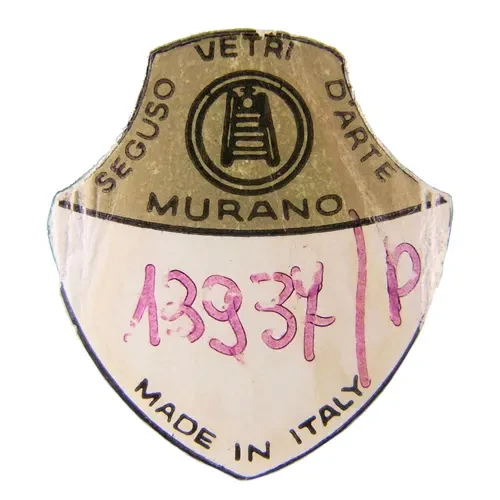
Archimede Seguso mark, c. 1933–1935

20thcenturyglass.com

c. 1933–1935

What to look for

Key makers & their marks

22 marks
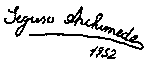
Archimede Seguso mark, c. 1950–1989

20thcenturyglass.com

c. 1950–1989

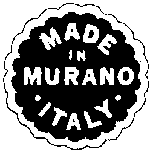
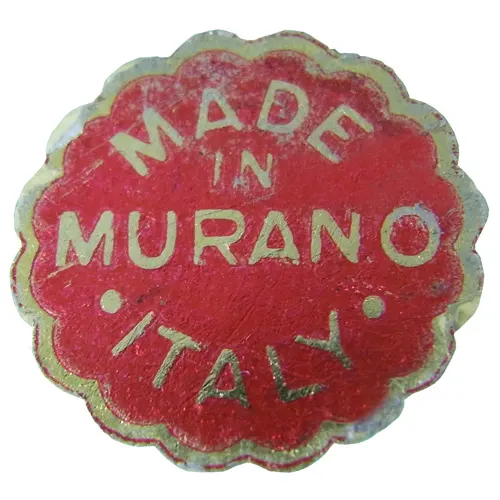
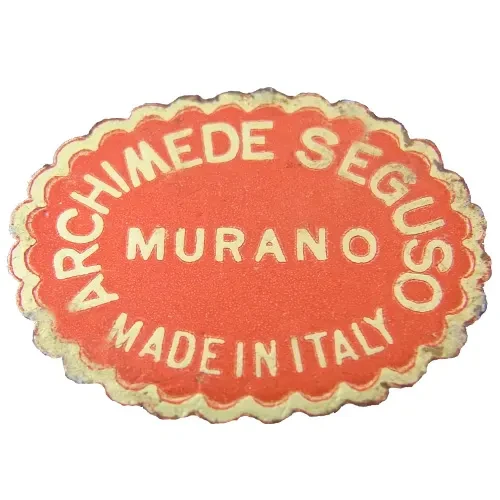
Made in Murano, Italy

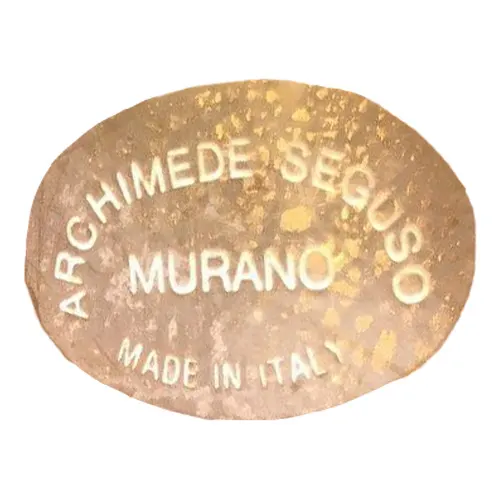
label · red and gold · glass · Italy

Scalloped foil export label used exclusively on Archimede Seguso glassware; use in the 1950s–1980s is tentative.

Archimede Seguso mark, c. 1950–1989

20thcenturyglass.com

c. 1950–1989

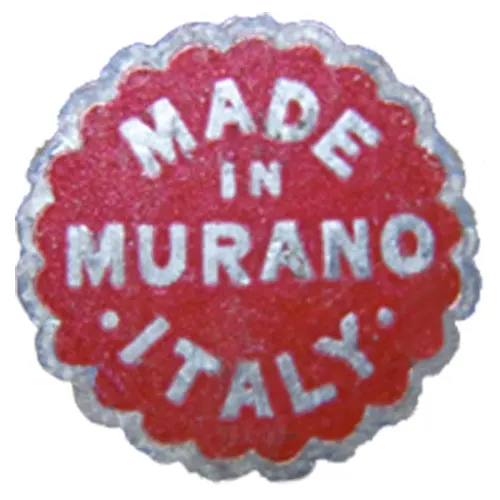
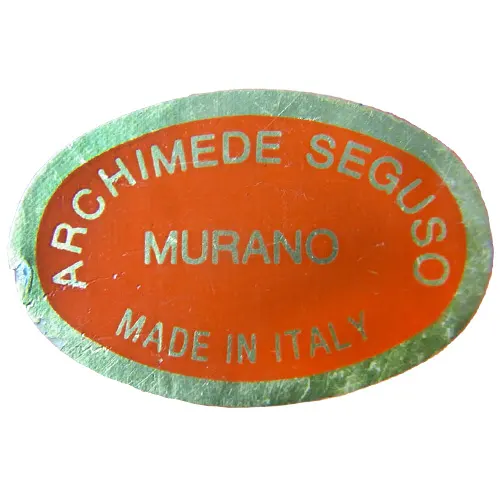
Made in Murano, Italy

Export label thought to have been used from the 1950s through the 1980s.

label · red and silver (possibly worn gold) · glass · Italy

Export foil label used exclusively on Archimede Seguso glassware; the pale part is described as silver or worn gold.

Archimede Seguso mark

20thcenturyglass.com

Undated

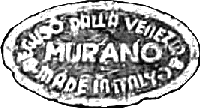
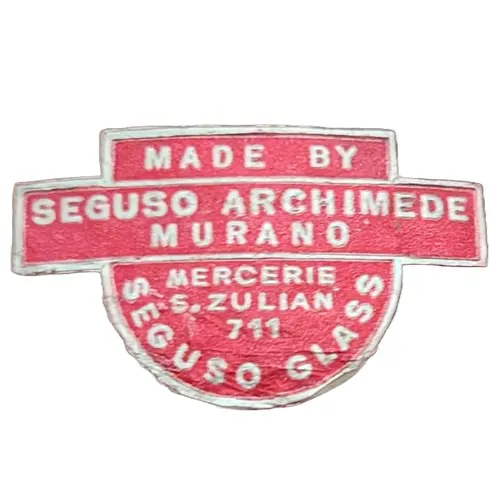
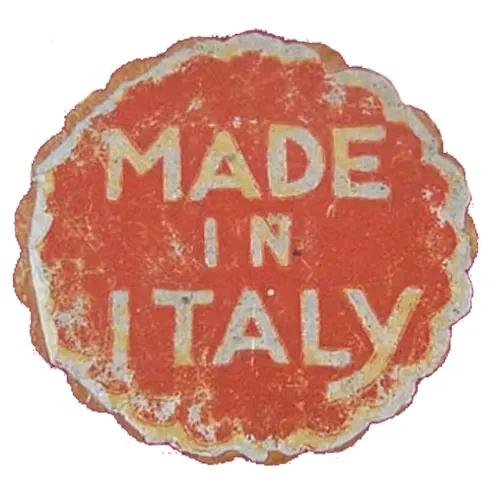
Made in Italy

Thought to have been used in the 1950s and possibly earlier.

label · red and gold · glass · Italy

Circular scalloped foil export label used exclusively on Archimede Seguso glassware.

Archimede Seguso mark

20thcenturyglass.com

Vetraria Archimede Seguso

Undated

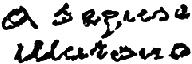
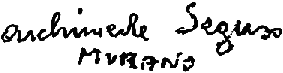
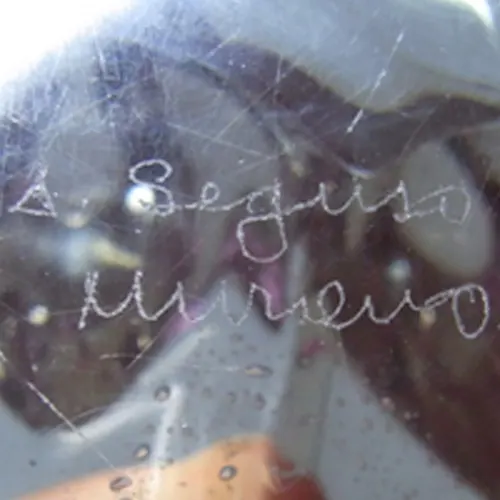
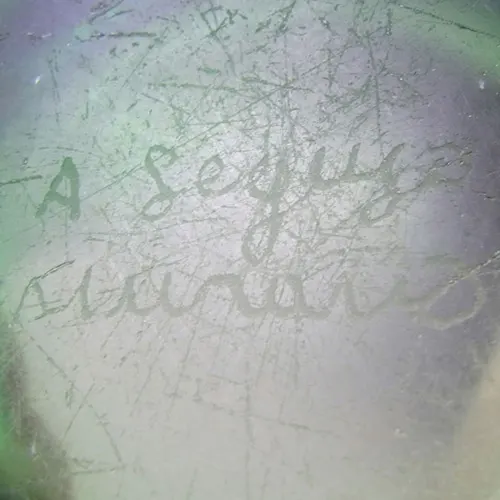
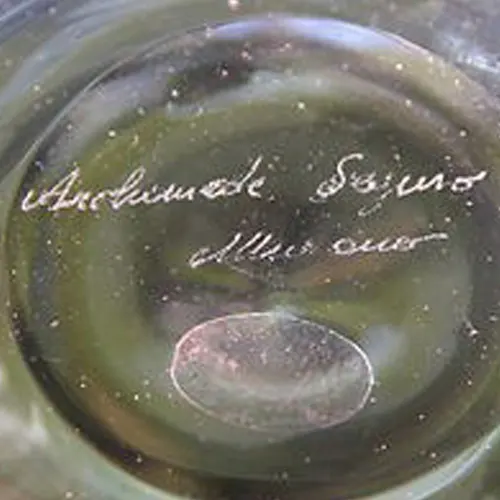
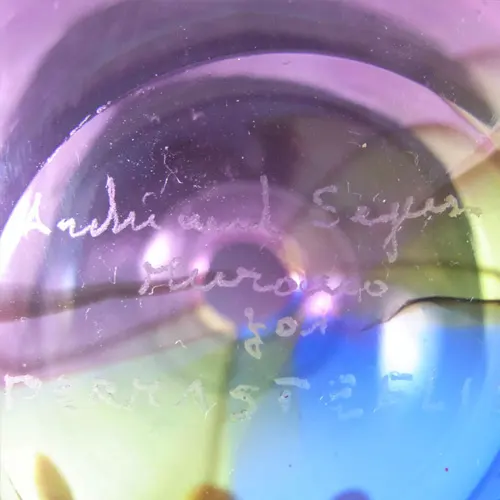
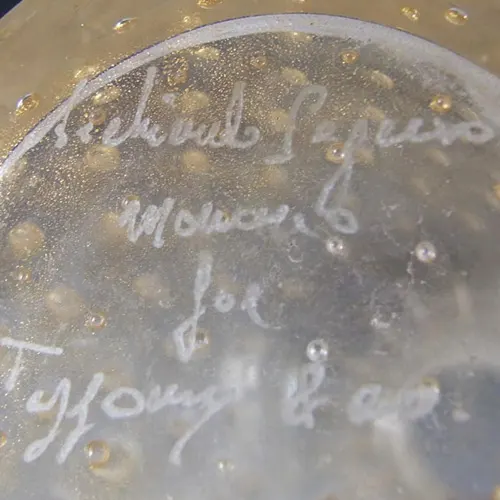
Archimede Seguso / Murano

Full first name in engraved script, rather than Seguso alone.

engraved signature · Glass; applied paper or foil where noted · Murano, Venice, Italy

About Archimede Seguso

The Seguso name belongs to a Murano glassmaking family and several distinct businesses. In 1933 Antonio Seguso, his sons Archimede and Ernesto, Napoleone Barovier and Luigi Ferro formally established the company initially called Artistica Soffiera Vetreria-Barovier Seguso Ferro. Flavio Poli joined in 1934. The firm became known as Seguso Vetri d’Arte, producing decorative vessels, lighting and sculptural glass for Italian and international markets.

Poli’s designs developed the use of superimposed colored and clear glass layers, associated with the sommerso technique. The firm’s postwar work entered major museum collections, and a blue-and-ruby vase won the Compasso d’Oro in 1954. Mario Pinzoni later succeeded Poli as artistic director. Changes in partnerships and ownership accompanied the changing designs, so the business history cannot be reduced to one uninterrupted company name.

Archimede left the family enterprise in 1942 and established his own furnace in 1946. His independent work included elaborate filigree effects, notably the merletto pieces shown at the 1952 Venice Biennale, as well as sculpture and other vessels. Glass marked Archimede Seguso must be distinguished from Seguso Vetri d’Arte. The latter brand was sold in 1972 and returned to the Seguso family in 2008.

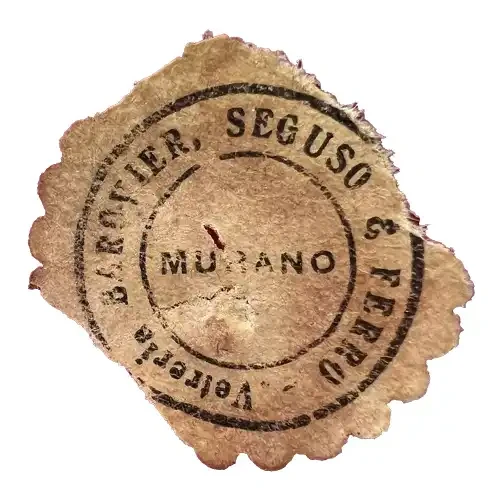
Also known as: Barovier Seguso & Ferro · Seguso Murano · Seguso Vetri d’Arte and Vetraria Archimede Seguso

Look-alikes & how to tell them apart

Venini →

Another Murano furnace making complex colored glass. Read Venini’s own name in the mark rather than attributing all sommerso or filigree glass to Seguso.

Barovier & Toso →

A separate glassworks with related early personnel and overlapping techniques. The full company name on a label distinguishes it from Barovier Seguso & Ferro and later Seguso businesses.