
Pottery & porcelain
Mark Hewitt Pottery marks
Mark Hewitt Pottery marks are associated with wood-fired stoneware and mugs and tableware from Pittsboro, North Carolina, United States.
- Active years
- From 1983
- Country
- United States
- City / region
- Pittsboro, North Carolina
- Products
- wood-fired stoneware, mugs and tableware, large jars and planters, grave markers
- Marks
- 16
Pittsboro pottery established 1983; apprenticeship began in the 1970s. Born 1955, Stoke-on-Trent, England.
What to look for
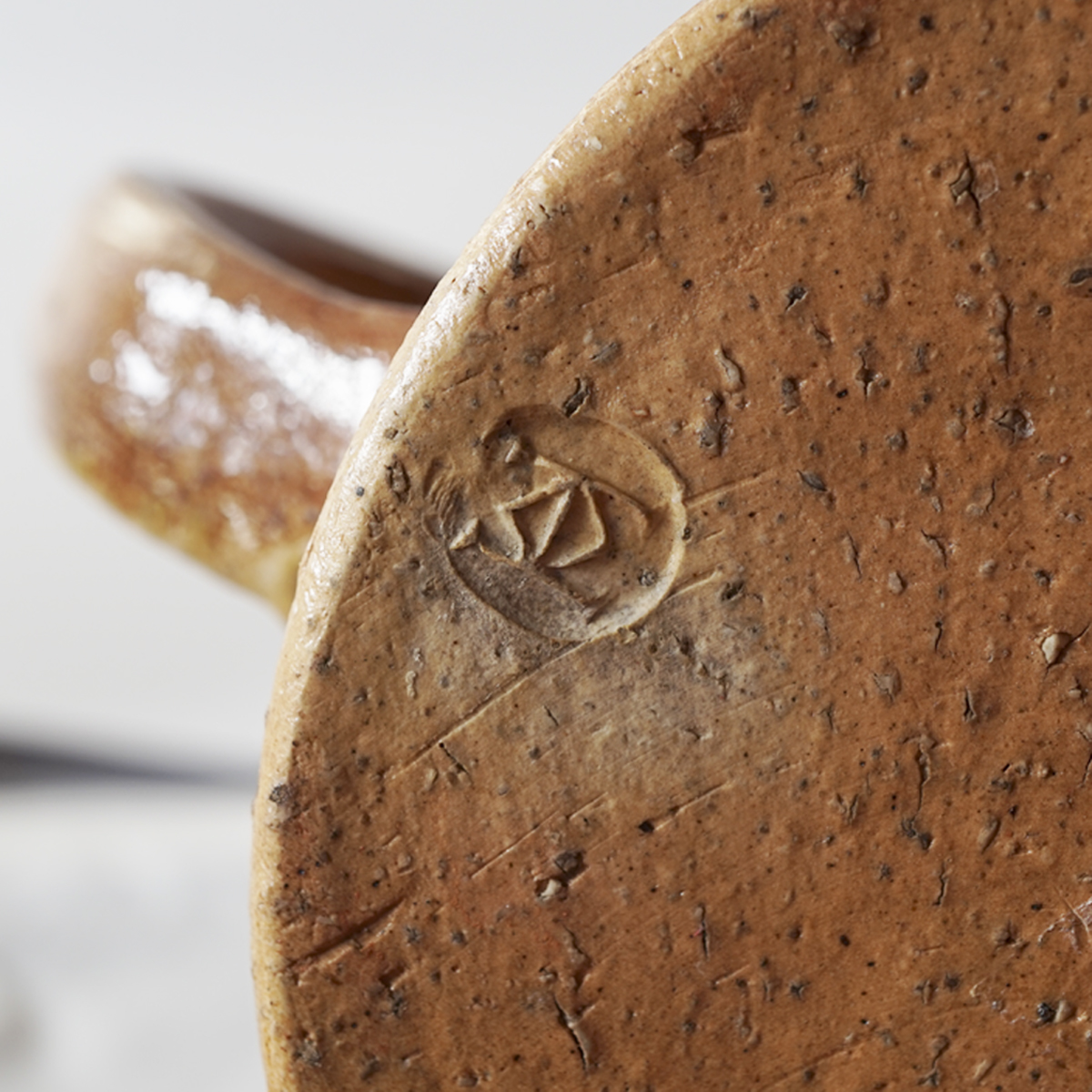
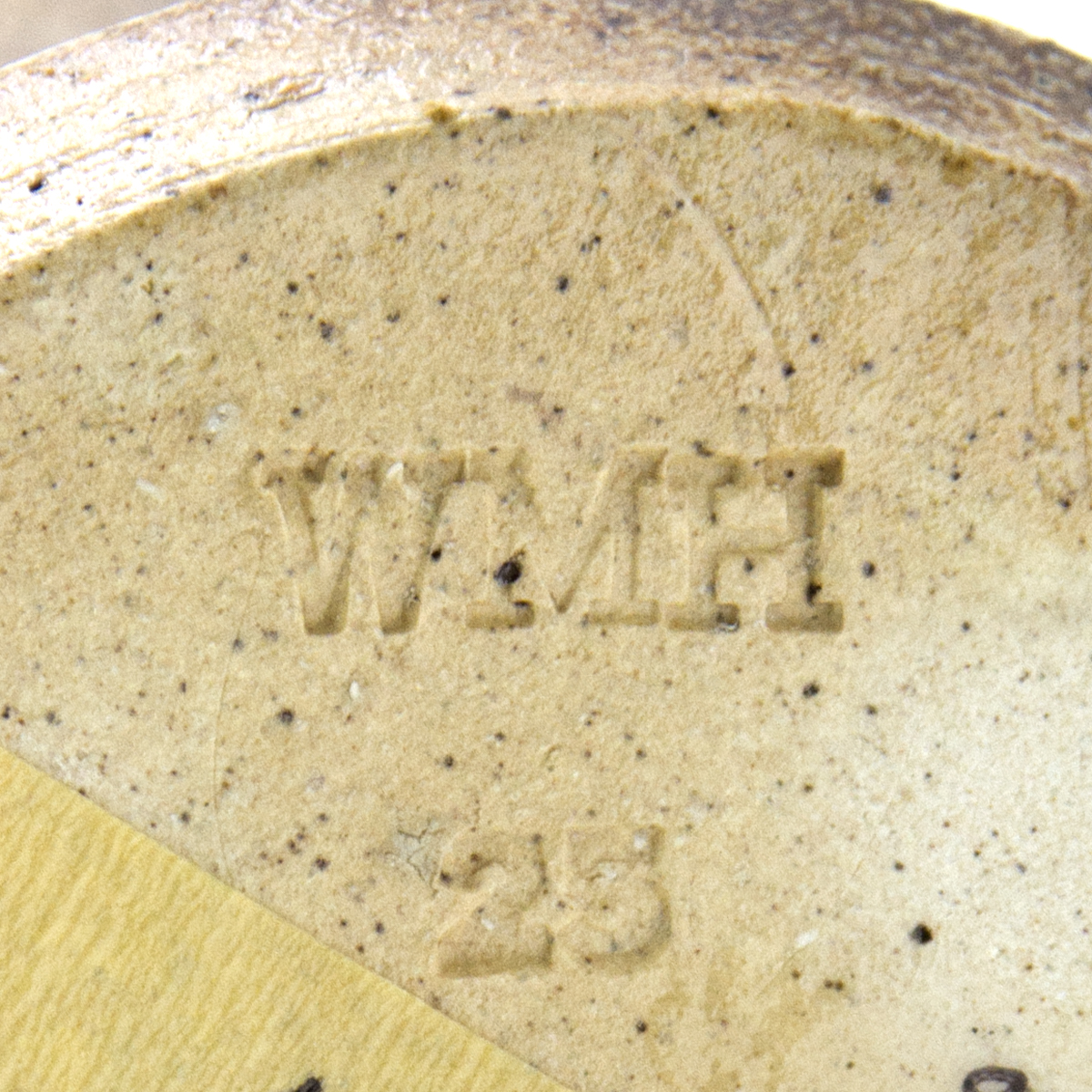
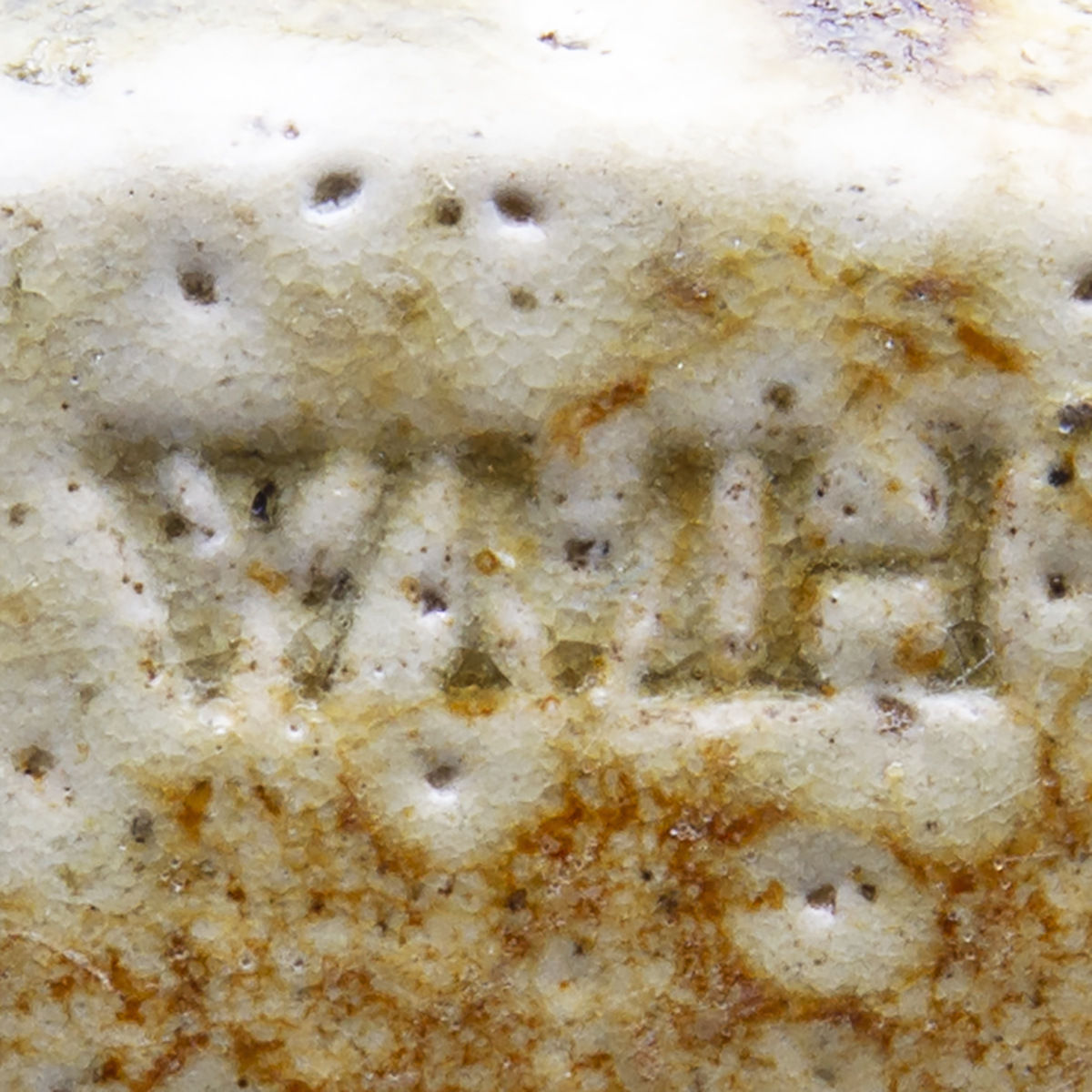
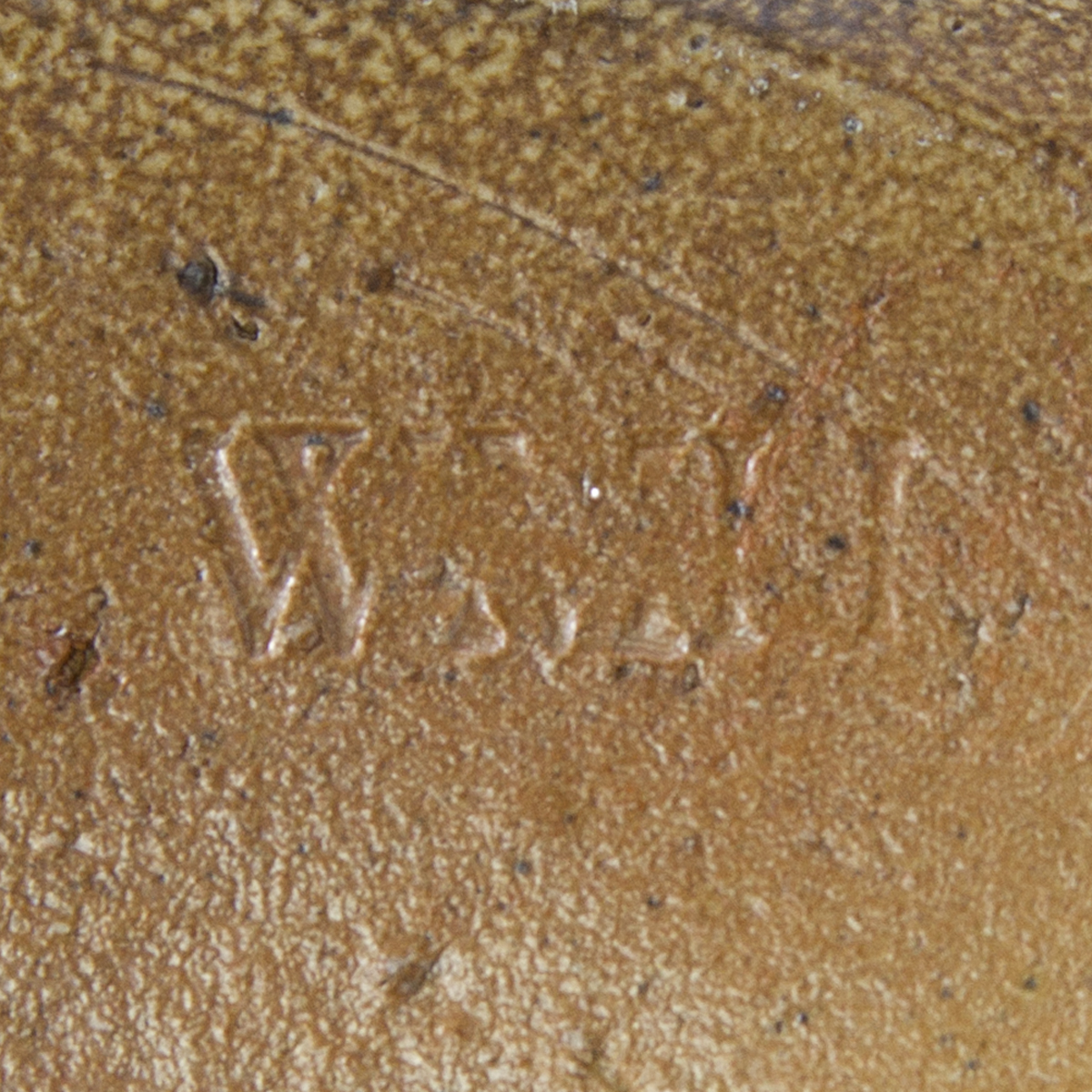
- Read all stamps together: the WMH workshop mark can accompany an apprentice’s own stamp. The separate initials identify who made and decorated the pot.
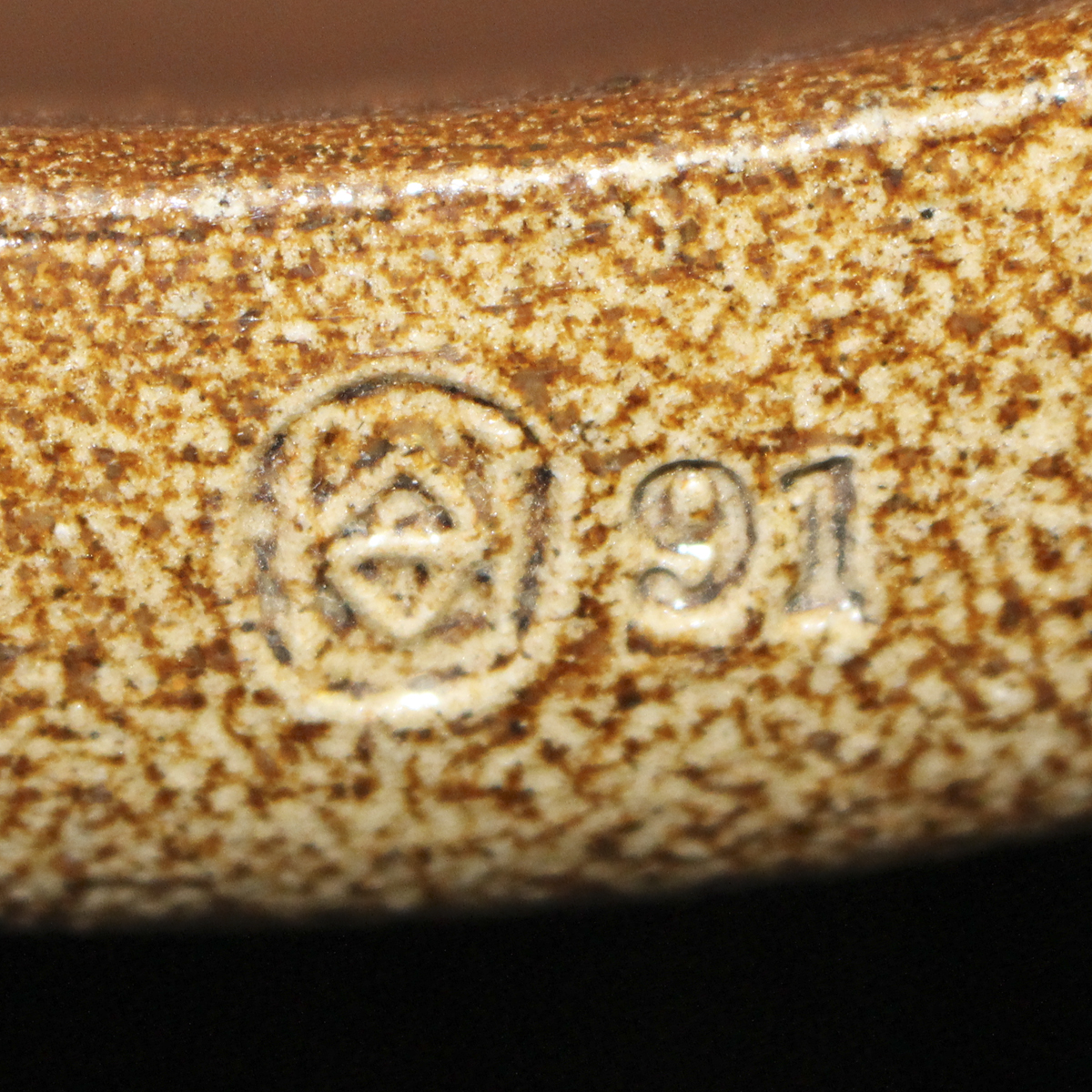
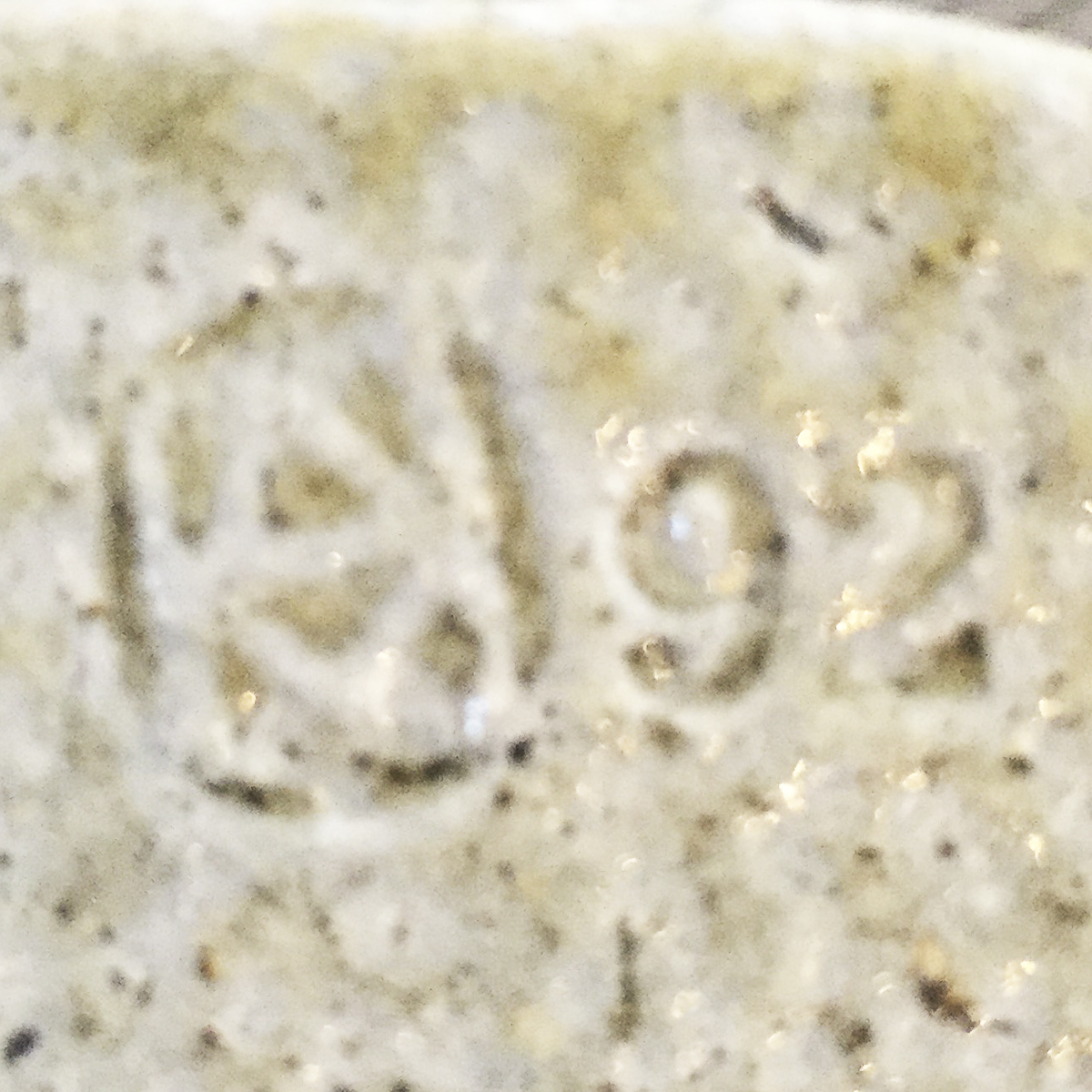
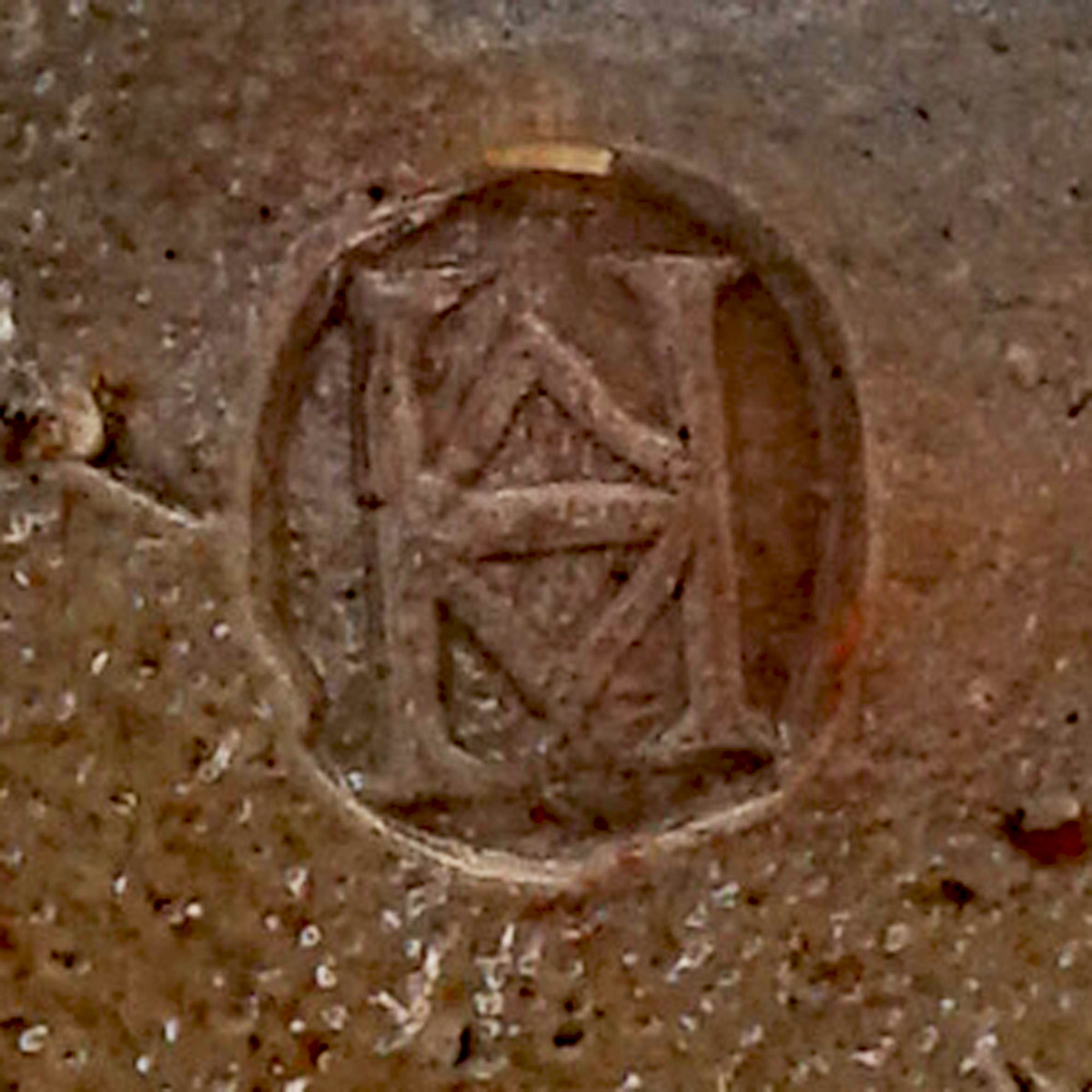
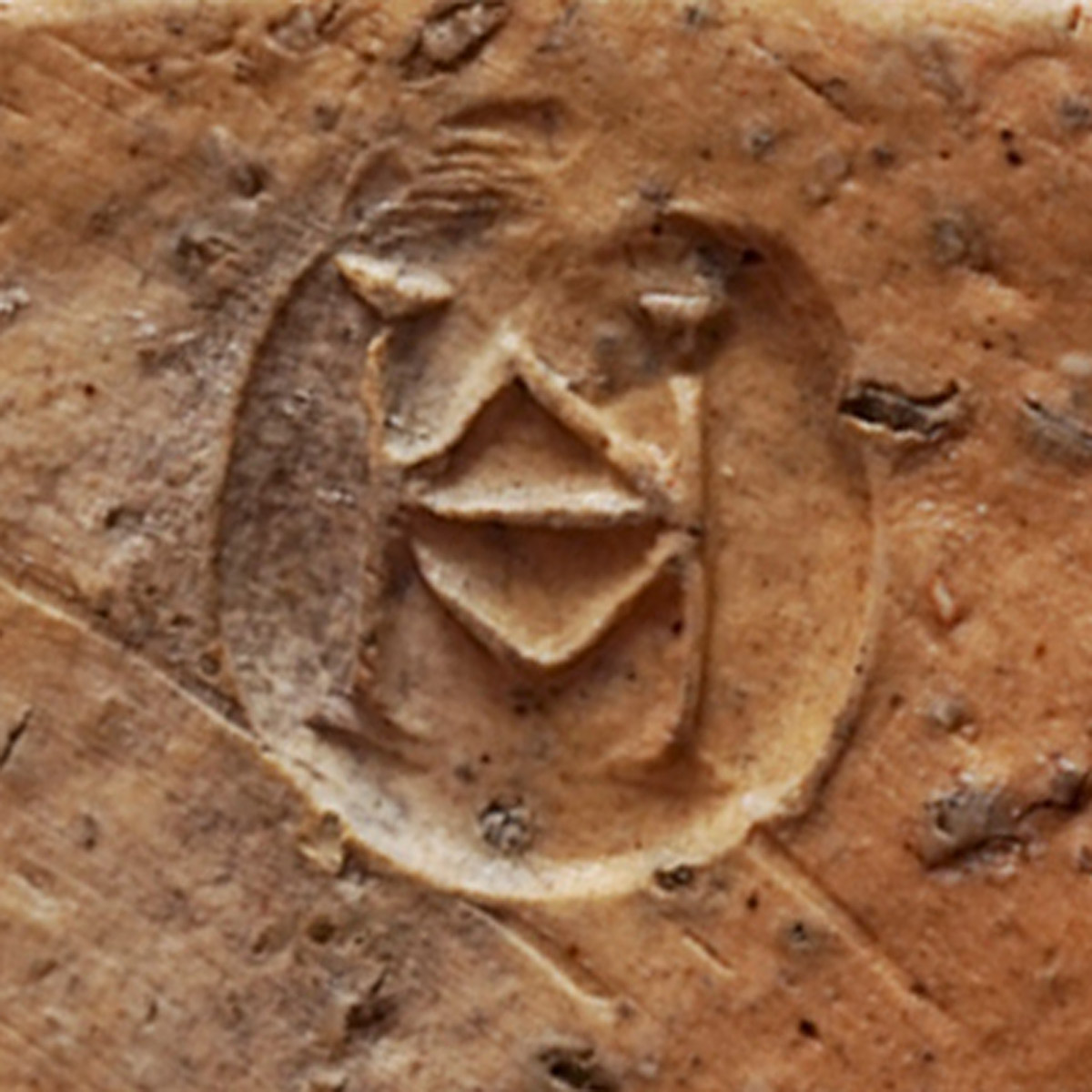
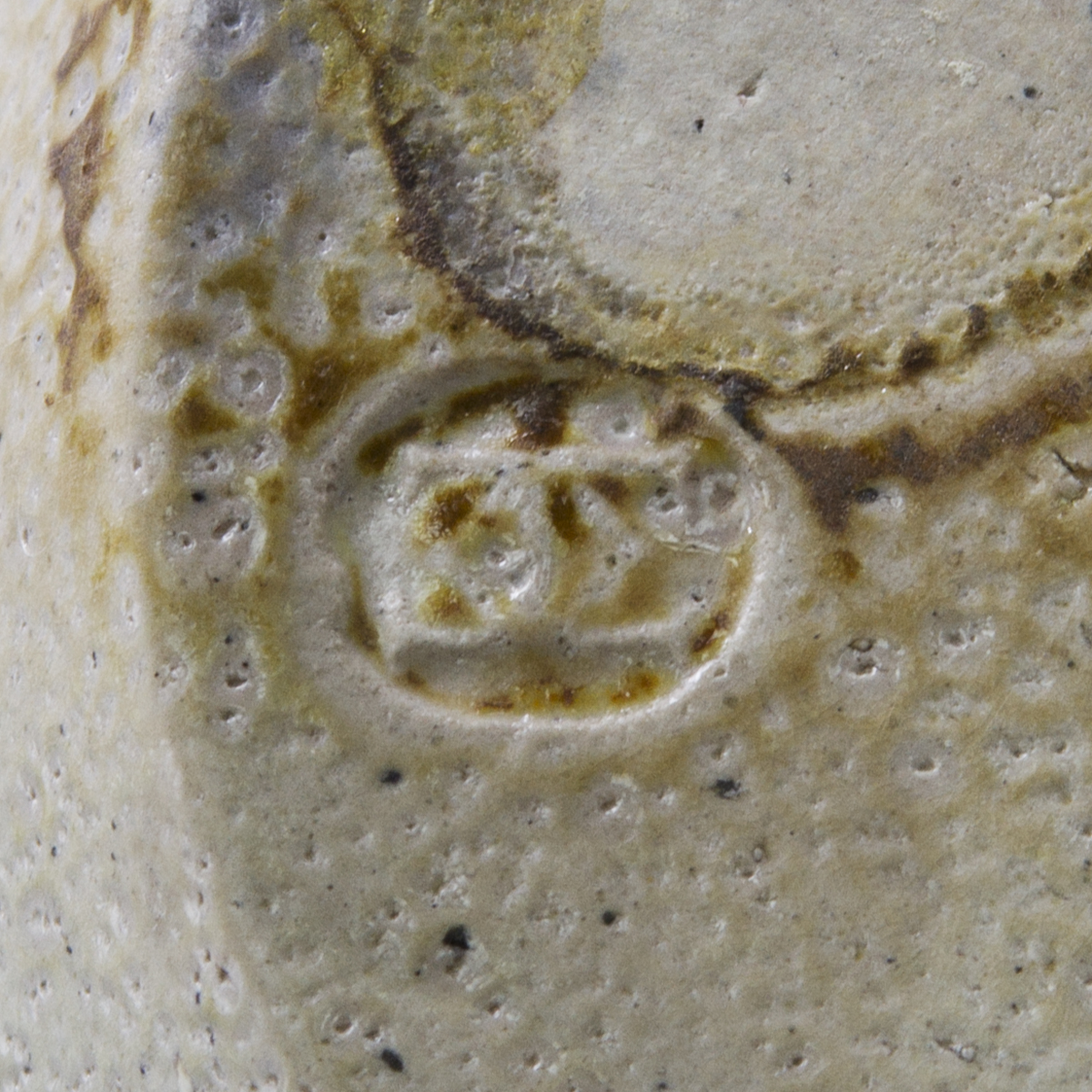
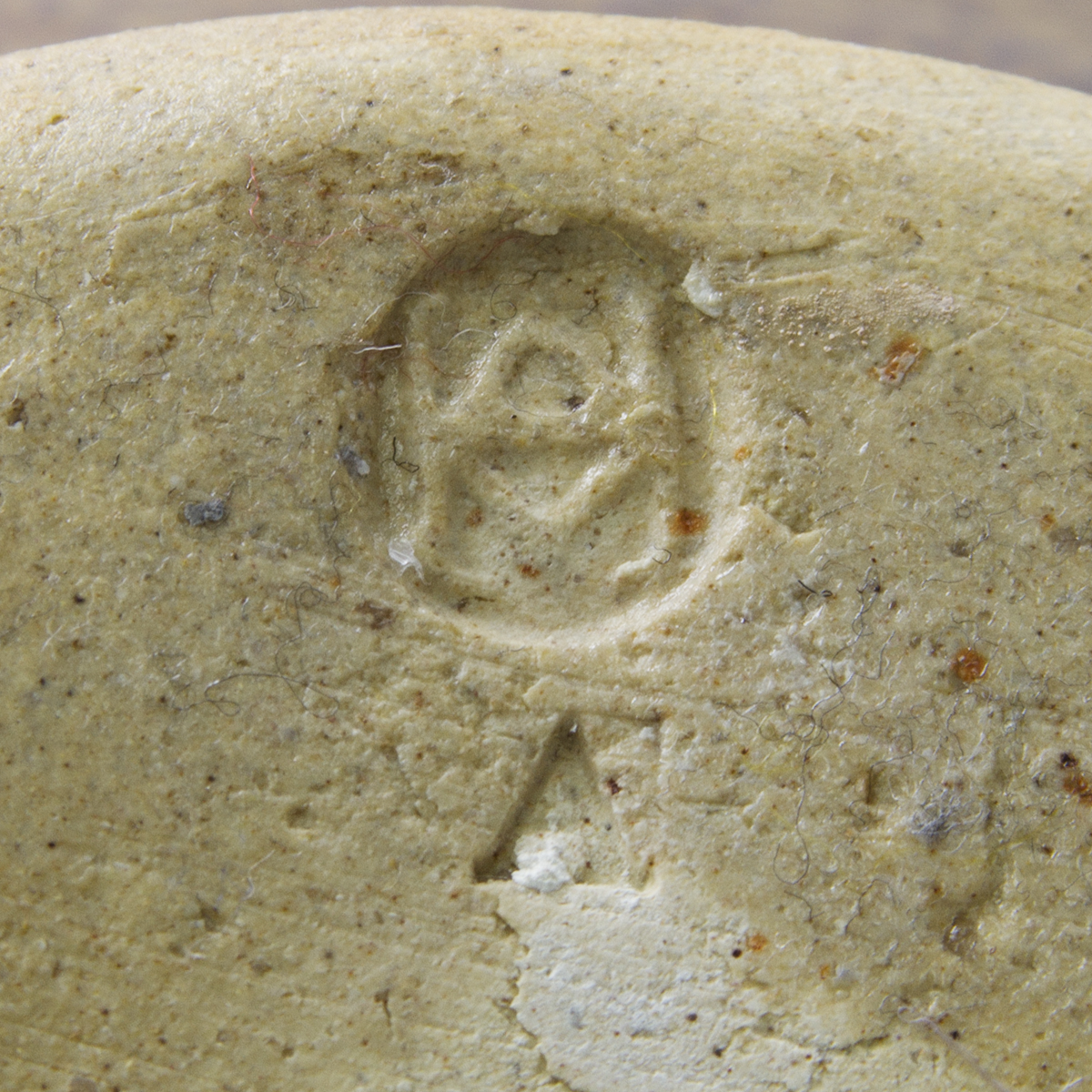
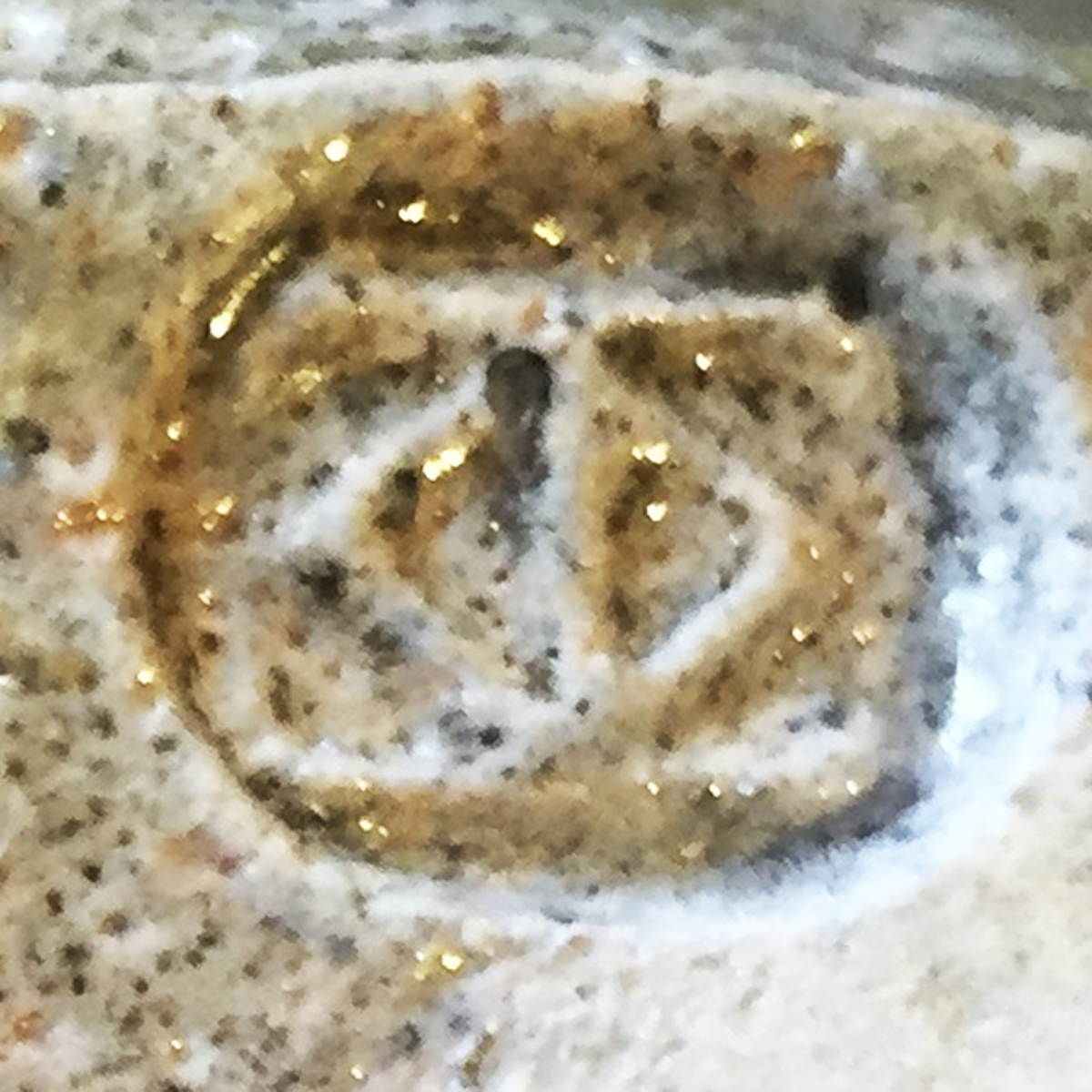
- WMH was used from 1984 to 1995; an oval geometric monogram followed in 1995. Occasional unstamped pots carry a scratched Willie Mark signature.
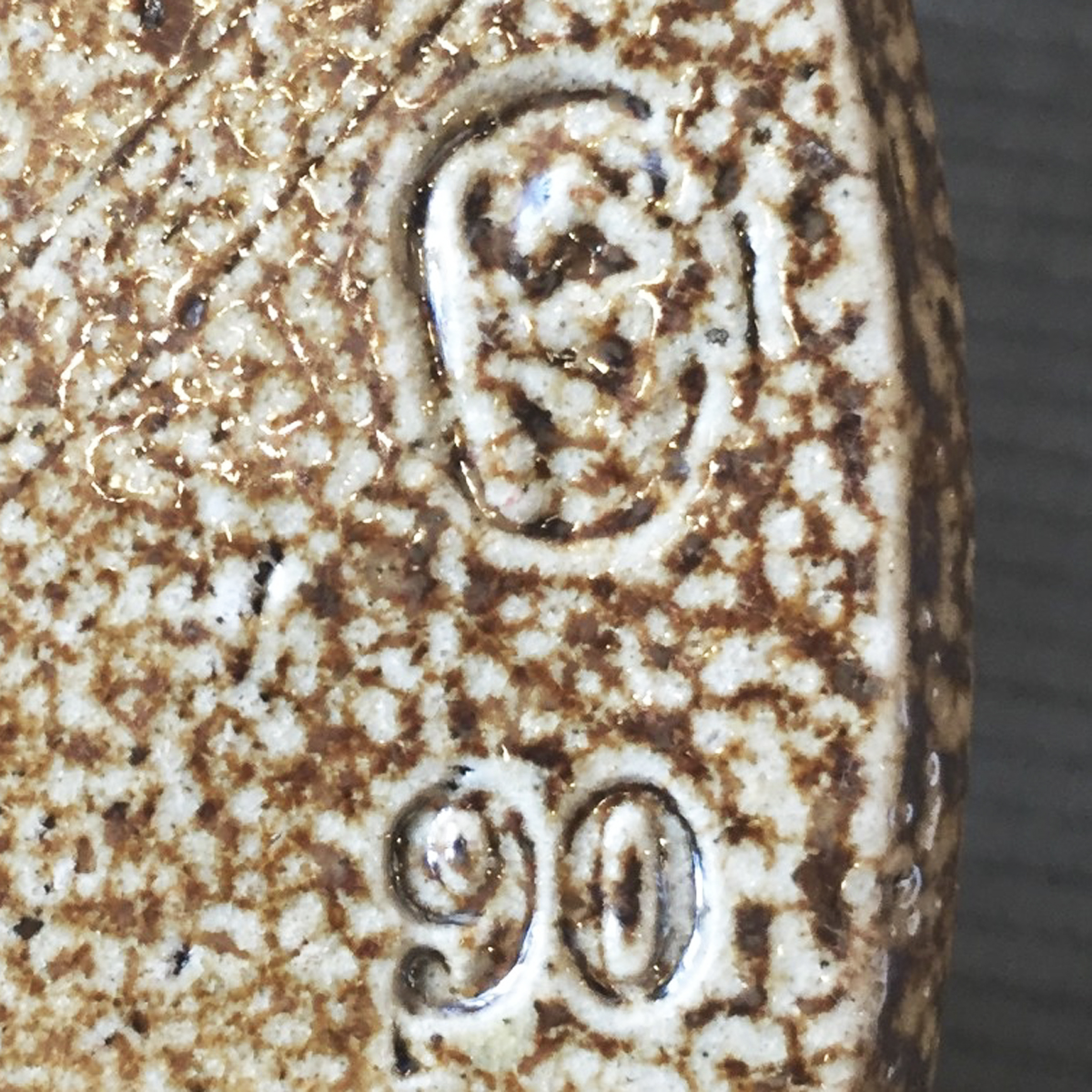
- Numbers are often firing numbers rather than years: 25 identifies the December 1991 firing. The newer kiln uses letters; A and B identify its February and May 2007 firings.
Dated marks & timeline
16 marks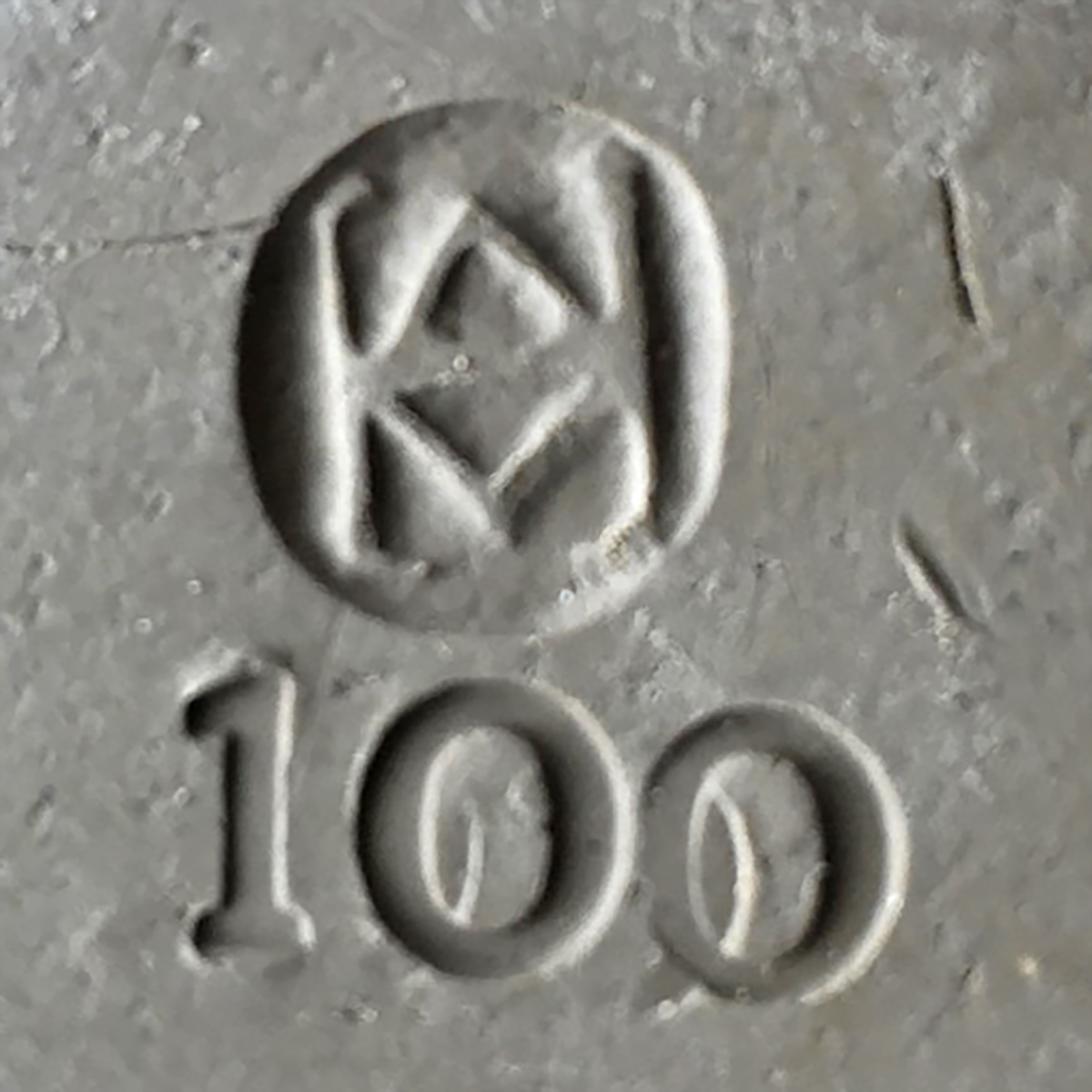
Undated
stoneware
Example dated c. 1991.
stoneware
Illustrated object: Umbrella Stand. Method: thrown. Surface: glaze, woodfire.
Undated
stoneware
Example dated c. 1990.
stoneware
Illustrated object: Teapot. Method: thrown. Surface: glaze, woodfire.
Undated
W.M.H. 25
The number 25 identifies the 25th firing, December 1991; it dates this example, not the entire WMH mark format.
stoneware
Illustrated mug bears W.M.H. above firing number 25. The pottery identifies that firing as December 1991.
Undated
92
Example dated 2015.
stoneware
Illustrated object: Medieval Pitcher. Method: thrown and altered. Surface: glaze, woodfire.
Undated
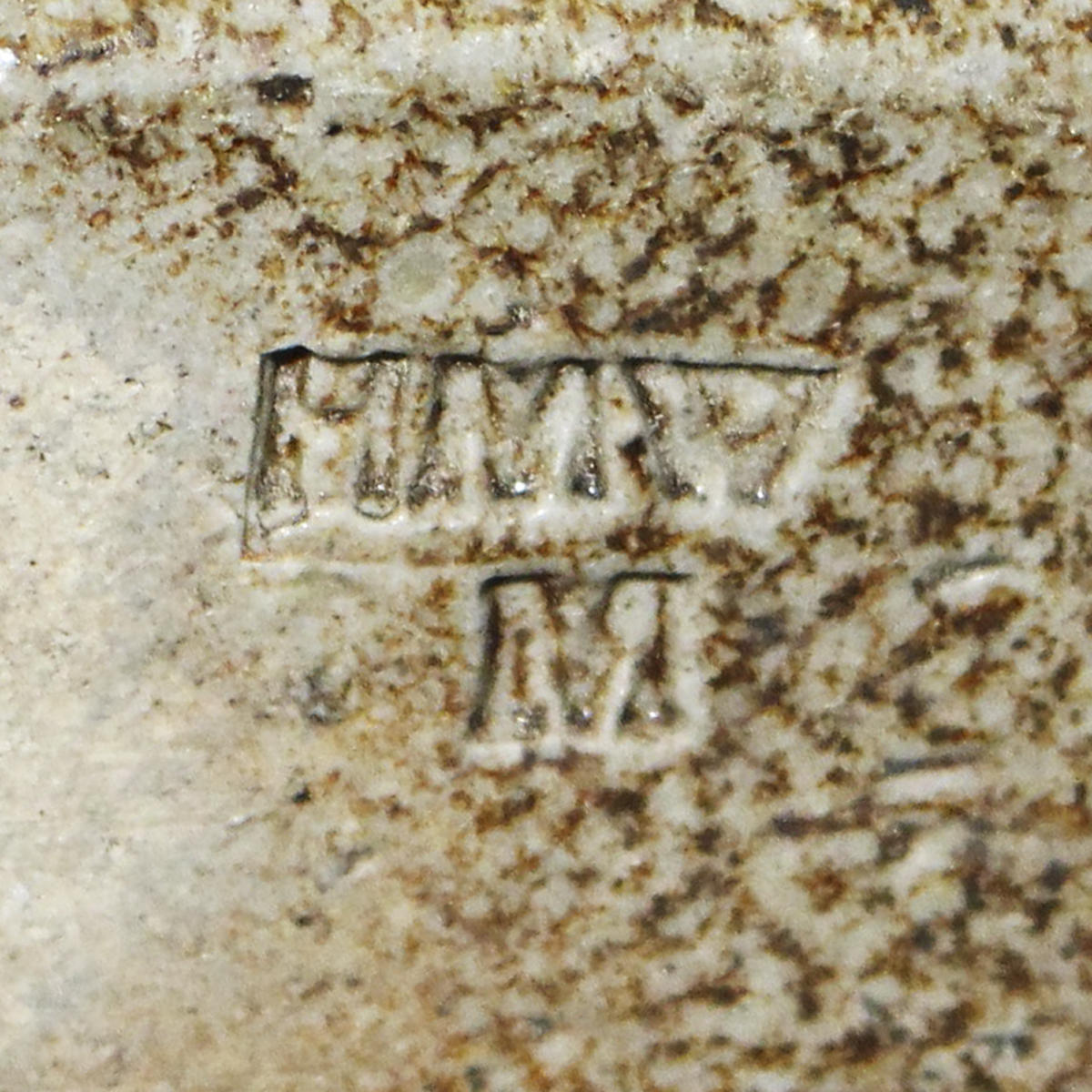
MARK M
Example dated c. 2010.
stoneware
Illustrated object: Flower Pot. Method: thrown. Surface: glaze, woodfire.
Undated
90
Example dated 2015.
stoneware
Illustrated object: Straight Vase. Method: thrown. Surface: glaze.
Undated
stoneware
Example dated c. 1990-1999.
stoneware
Illustrated object: Covered Jar. Method: thrown. Surface: glaze, woodfire.
Undated
stoneware
stoneware
Illustrated object: Pitcher. Method: thrown. Surface: glaze, woodfire.
Undated
stoneware
Example dated c. 1990-1999.
stoneware
Illustrated object: Covered Jar. Method: thrown. Surface: glaze, woodfire.
Undated
stoneware
Example dated c. 1995.
stoneware
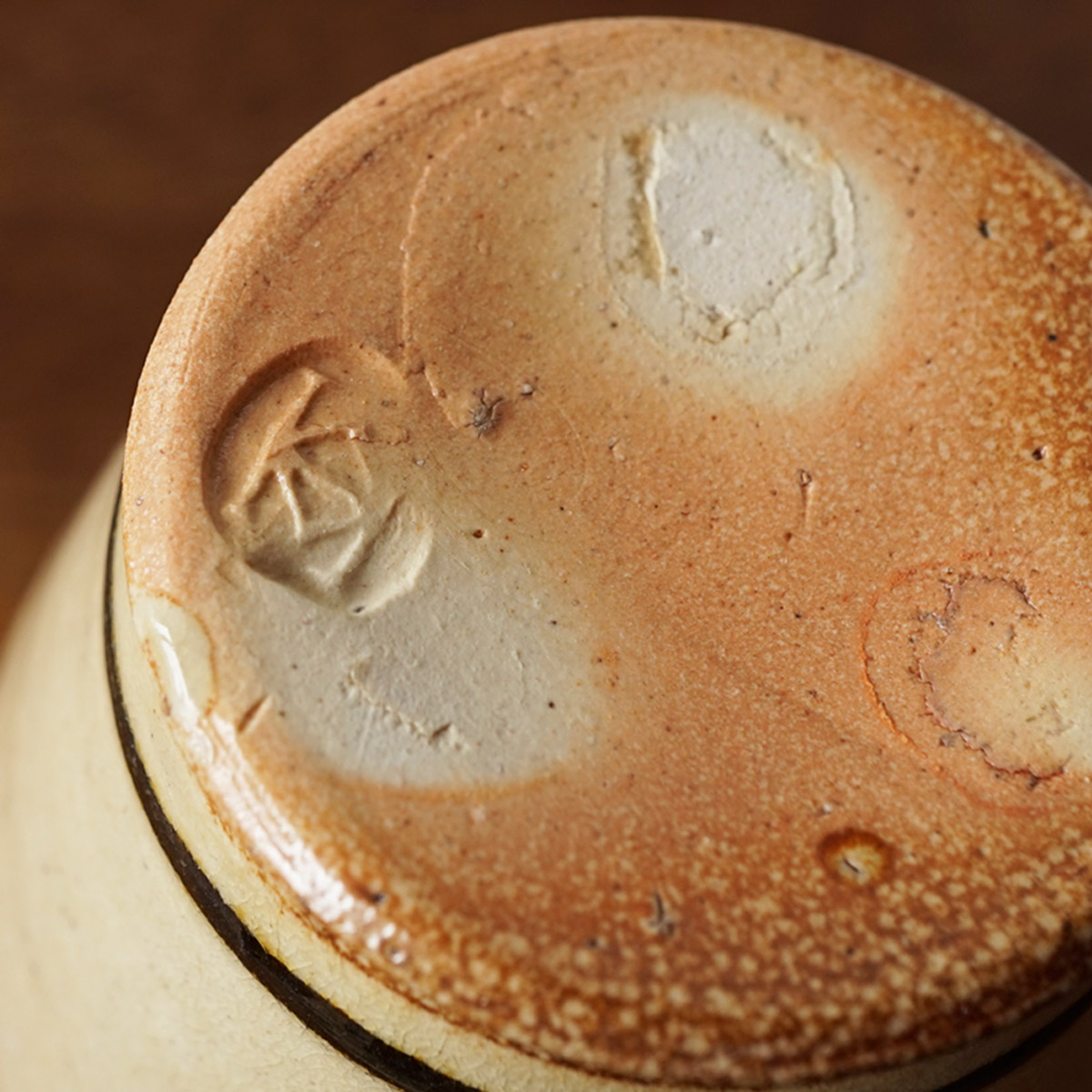
Illustrated object: Juice Cup. Method: thrown. Surface: glaze, woodfire.
About Mark Hewitt
Mark Hewitt was born in Stoke-on-Trent, England, in 1955, into a family connected with Spode: his father and grandfather were directors of the company. After studying geography at Bristol, he chose studio pottery rather than industrial management. He trained with Michael Cardew at Wenford Bridge and then worked with Todd Piker at Cornwall Bridge Pottery in Connecticut. Visits to potteries in Africa and East Asia widened the traditions on which he drew.
In 1983 Hewitt and his wife Carol established their pottery in Pittsboro, North Carolina. He built a large wood kiln and developed a range of useful stoneware, from mugs and pitchers to unusually large jars and planters. Local clays, salt and ash glazes, and the effects of wood firing connect the work with Southern pottery traditions.
The pottery also became a training workshop for apprentices. Their work carries individual stamps alongside the workshop mark, making the combination of marks important. Firing numbers and kiln letters record production events. A second kiln expanded experiments with alkaline and reduction glazes during the 2000s.
Also known as: W. M. Hewitt · Hewitt Pottery · Willie Mark
Look-alikes & how to tell them apart
Apprentices working at Hewitt Pottery
They used the pottery’s WMH mark with their own stamps.
Compare the companion stamp with the workshop chart: D is Daniel Johnston, ES Eric Smith, JSS Joseph Sand and other initials identify other makers. WMH alone does not establish that Hewitt personally threw every workshop pot.
Other North Carolina wood-fired stoneware
Local clay, ash glaze and large jar forms are shared regional features.
Use the complete WMH or oval monogram, accompanying maker mark and firing code; glaze colour and scale do not distinguish the individual potter.