
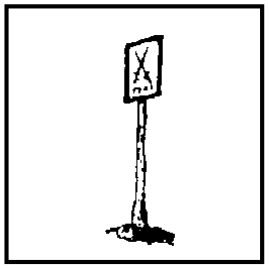
c. 1700–1749
painted, underglaze · cobalt blue · porcelain
painted, underglaze · cobalt blue · porcelain · Germany
Very rarely used in the first half of the eighteenth century.
Pottery & porcelain
Meissen marks are associated with figurines and porcelain from Meissen, Saxony, Saxony, Germany. Meissen marks include “B” dated 1710–1719.
Established 1710; continuing manufacture. The Germany term is a geographic query qualifier, not a separate maker.
c. 1700–1749
painted, underglaze · cobalt blue · porcelain · Germany
Very rarely used in the first half of the eighteenth century.
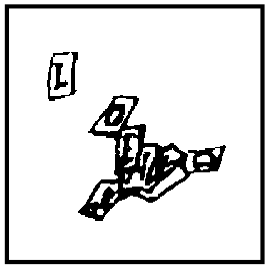
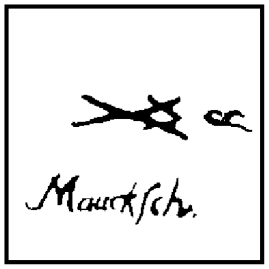
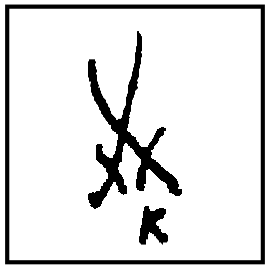
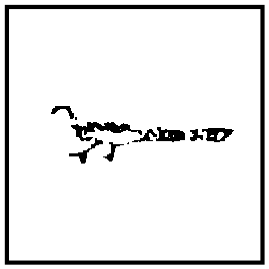
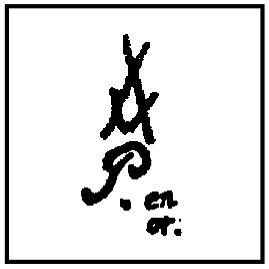
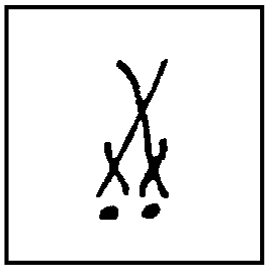
c. 1700–1799
painted, underglaze · dark blue · porcelain · Germany
Combined with artist signs described as two points and a cross.
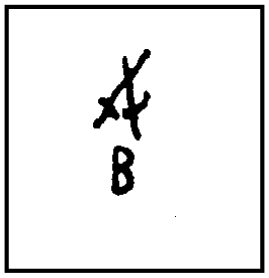
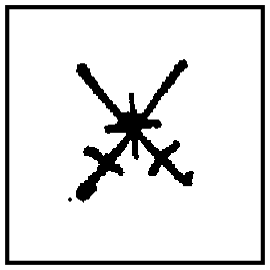
c. 1700–1799
painted, underglaze · dark blue · porcelain · Germany
Combined with artist signs described as two points and a cross.
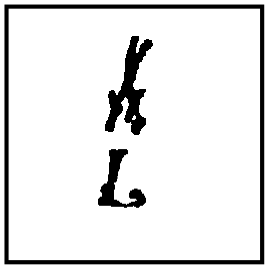
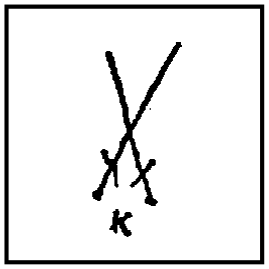
c. 1700–1799
painted, underglaze · dark blue · porcelain · Germany
Combined with the initials of the artist.
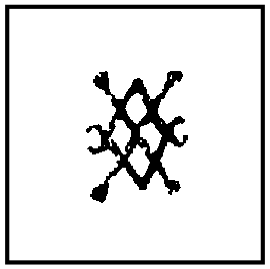
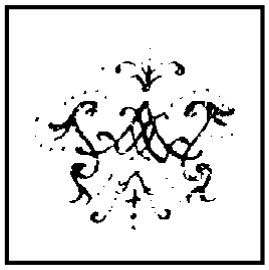
c. 1700–1799
gold · porcelain · Germany
Gold ornaments sometimes accompanied a factory mark.
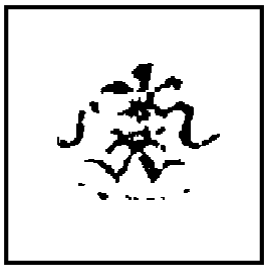
c. 1700–1799
gold · porcelain · Germany
Gold ornament sometimes used beside the factory mark.
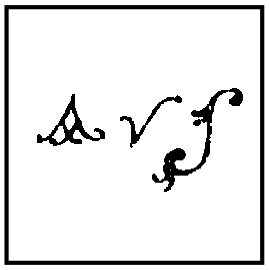
c. 1700–1799
gold · porcelain · Germany
Gold ornaments sometimes accompanied the factory mark.
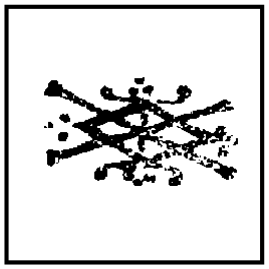
c. 1700–1799
gold · porcelain · Germany
Gold ornaments beside the factory stamp; their association with Countess Cosel's sets is described as a legend.
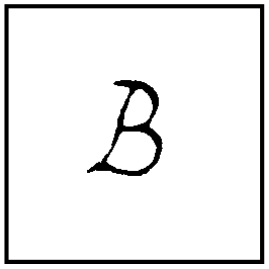
1710–1719
impressed, underglaze · dark blue · porcelain · Germany
Böttger-period mark, impressed in the body or applied in dark blue underglaze.
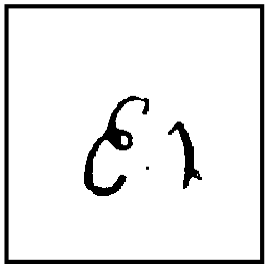
1710–1719
painted, underglaze · dark blue · porcelain · Germany
Placed on the first products of the Böttger period.
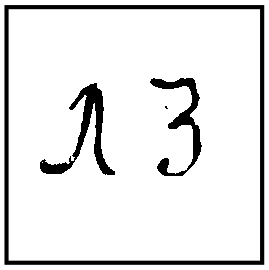
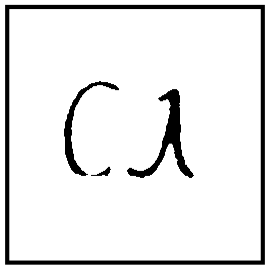
1710–1719
underglaze · dark blue · porcelain · Germany
Used on the earliest Böttger-period ware.
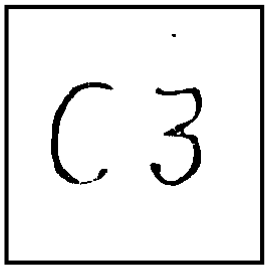
1710–1719
impressed, underglaze · dark blue · porcelain · Germany
Böttger-period mark on early ware.
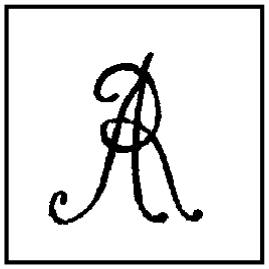
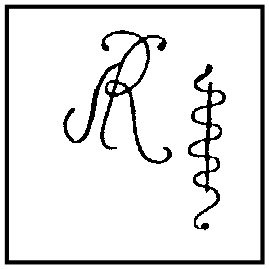
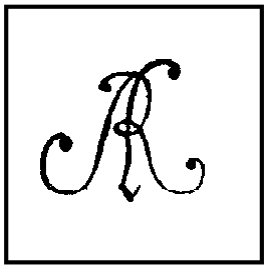
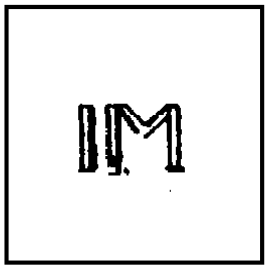
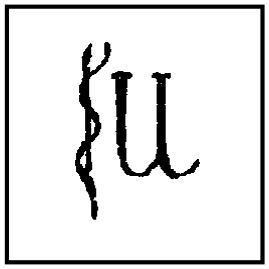
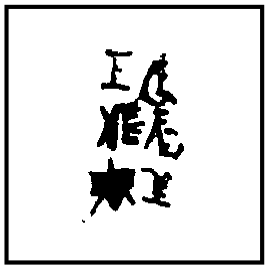
1720–1724
painted, underglaze · dark blue · porcelain · Germany
Imitation of Chinese marks.
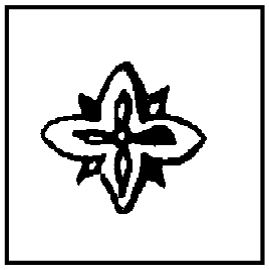
1720–1724
painted, underglaze · dark blue · porcelain · Germany
Imitation of Chinese marks.
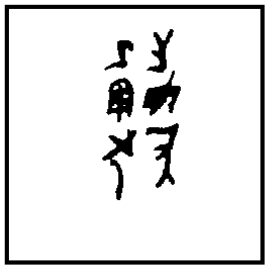
1720–1724
painted, underglaze · dark blue · porcelain · Germany
Imitation of Chinese marks.
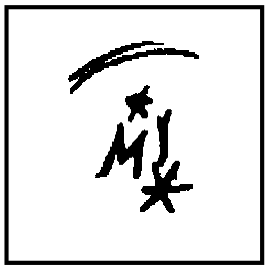
1720–1724
painted, underglaze · dark blue · porcelain · Germany
Imitation of Chinese marks.
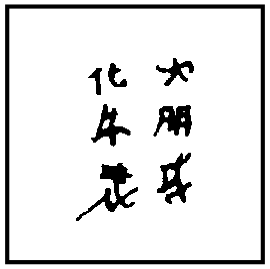
1720–1724
painted, underglaze · dark blue · porcelain · Germany
Imitation of Chinese marks.
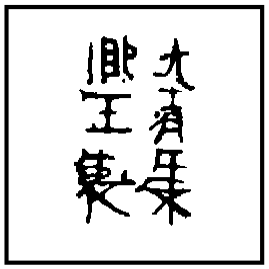
1720–1724
painted, underglaze · dark blue · porcelain · Germany
Imitation of Chinese marks.
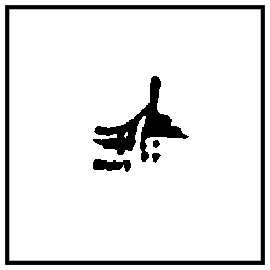
1720–1724
painted, underglaze · dark blue · porcelain · Germany
Imitation of Chinese marks.
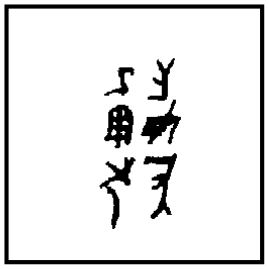
1720–1724
painted, underglaze · dark blue · porcelain · Germany
Imitation of Chinese marks.
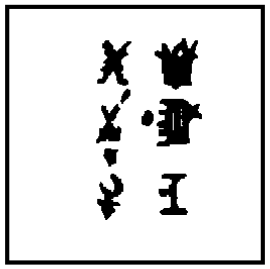
1720–1724
painted, underglaze · dark blue · porcelain · Germany
Imitation of Chinese marks.
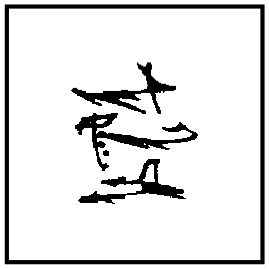
1720–1724
painted, underglaze · dark blue · porcelain · Germany
Imitation of Chinese marks.
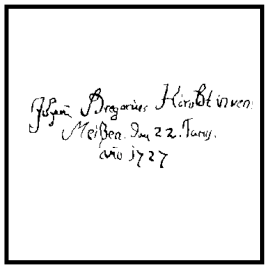
1720–1765
porcelain · Germany
Johann Gregor Herold signature, often accompanied by a date.
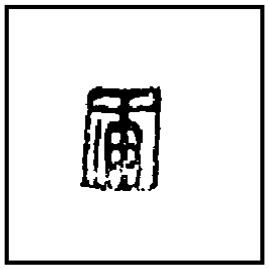
c. 1723
painted, underglaze · dark blue · porcelain · Germany
Dark-blue marks drawn under the glaze. . Dark-blue marks drawn under the glaze. . Dark-blue marks drawn under the glaze, “the rod of Mercury.”
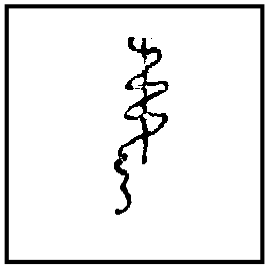
c. 1723
painted, underglaze · dark blue · porcelain · Germany
Dark-blue marks drawn under the glaze. . Dark-blue marks drawn under the glaze. . Dark-blue marks drawn under the glaze, “the rod of Mercury.”
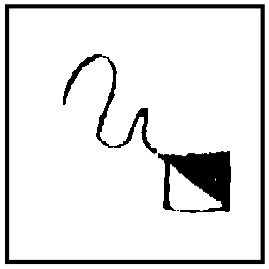
c. 1723
painted, underglaze · dark blue · porcelain · Germany
Dark-blue marks drawn under the glaze. . Dark-blue marks drawn under the glaze. . Dark-blue marks drawn under the glaze, “the rod of Mercury.”
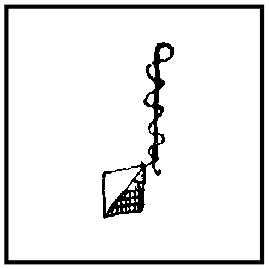
c. 1723
painted, underglaze · dark blue · porcelain · Germany
Dark-blue marks drawn under the glaze. . Dark-blue marks drawn under the glaze. . Dark-blue marks drawn under the glaze, “the rod of Mercury.”
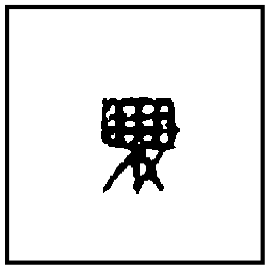
c. 1723
painted, underglaze · dark blue · porcelain · Germany
Dark-blue marks drawn under the glaze. . Dark-blue marks drawn under the glaze. . Dark-blue marks drawn under the glaze, “the rod of Mercury.”
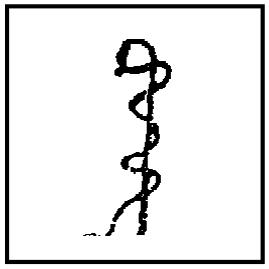
c. 1723
painted, underglaze · dark blue · porcelain · Germany
Dark-blue marks drawn under the glaze. . Dark-blue marks drawn under the glaze. . Dark-blue marks drawn under the glaze, “the rod of Mercury.”
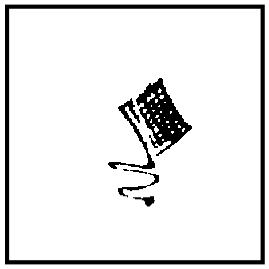
c. 1723
painted, underglaze · dark blue · porcelain · Germany
Dark-blue marks drawn under the glaze. . Dark-blue marks drawn under the glaze. . Dark-blue marks drawn under the glaze, “the rod of Mercury.”
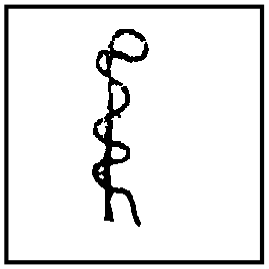
c. 1723
painted, underglaze · dark blue · porcelain · Germany
This group includes a rod-of-Mercury variant.
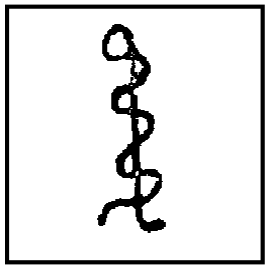
c. 1723
painted, underglaze · dark blue · porcelain · Germany
This group includes a rod-of-Mercury variant.
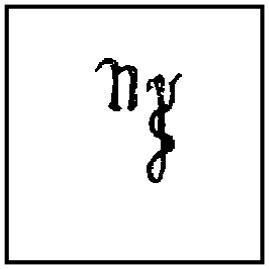
c. 1723
painted, underglaze · dark blue · porcelain · Germany
Dark-blue marks drawn under the glaze. . Dark-blue marks drawn under the glaze. . Dark-blue marks drawn under the glaze, “the rod of Mercury.”
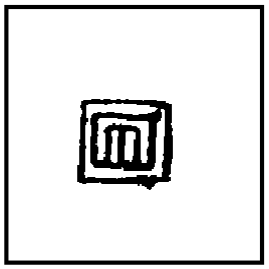
c. 1723
painted, underglaze · dark blue · porcelain · Germany
Dark-blue marks drawn under the glaze. . Dark-blue marks drawn under the glaze. . Dark-blue marks drawn under the glaze, “the rod of Mercury.”
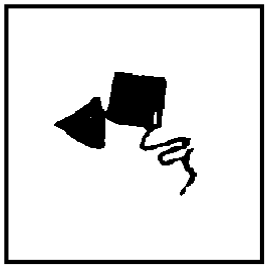
c. 1723
painted, underglaze · dark blue · porcelain · Germany
Dark-blue marks drawn under the glaze. . Dark-blue marks drawn under the glaze. . Dark-blue marks drawn under the glaze, “the rod of Mercury.”
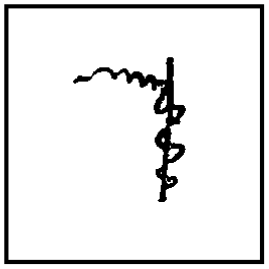
c. 1723
painted, underglaze · dark blue · porcelain · Germany
Dark-blue marks drawn under the glaze. . Dark-blue marks drawn under the glaze. . Dark-blue marks drawn under the glaze, “the rod of Mercury.”
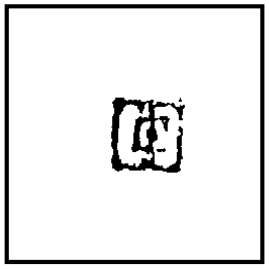
c. 1723
painted, underglaze · dark blue · porcelain · Germany
Dark-blue marks drawn under the glaze. . Dark-blue marks drawn under the glaze. . Dark-blue marks drawn under the glaze, “the rod of Mercury.”
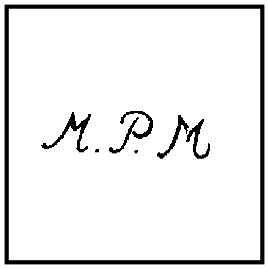
1723–1724
painted, underglaze · dark blue · porcelain · Germany
Meissen factory. Dark-blue mark drawn under the glaze.
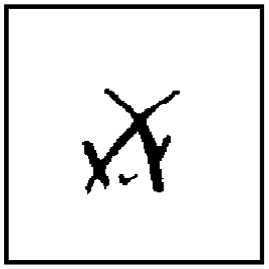
c. 1724
underglaze, impressed · dark blue · porcelain · Germany
Body mark or dark blue underglaze; crossed swords derive from the Saxon arms.
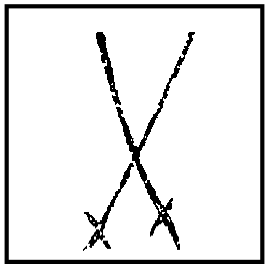
c. 1724
These early crossed-swords marks derive from the Saxon coat of arms.
dark blue · porcelain · Germany
Early variants can be impressed or blue underglaze.
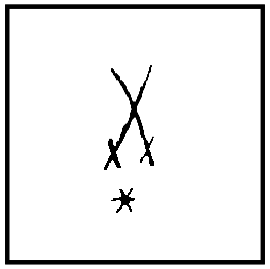
c. 1724
These early crossed-swords marks derive from the Saxon coat of arms.
dark blue · porcelain · Germany
Early variants can be impressed or blue underglaze.
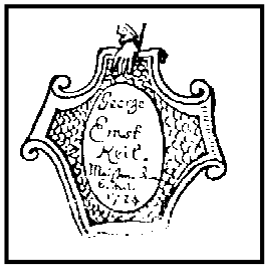
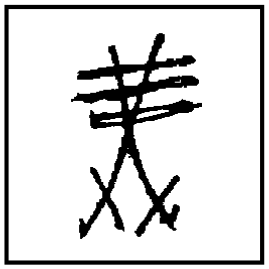
c. 1724
dark blue · porcelain · Germany
Early crossed-swords mark derived from the Saxon arms; body and dark-blue underglaze variants are described.
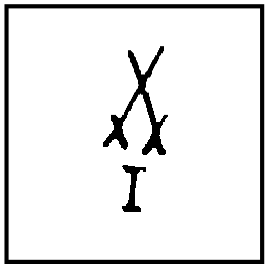
c. 1724
impressed, underglaze · dark blue · porcelain · Germany
An early crossed-swords mark, derived from the Saxon arms; impressed or applied in dark blue underglaze.
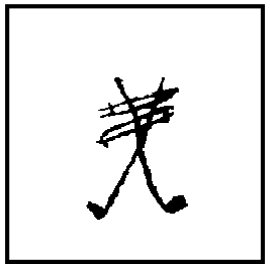
c. 1724
These early crossed-swords marks derive from the Saxon coat of arms.
dark blue · porcelain · Germany
Early variants can be impressed or blue underglaze.
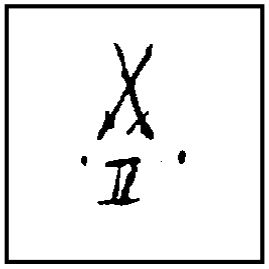
c. 1724
These early crossed-swords marks derive from the Saxon coat of arms.
dark blue · porcelain · Germany
Early variants can be impressed or blue underglaze.
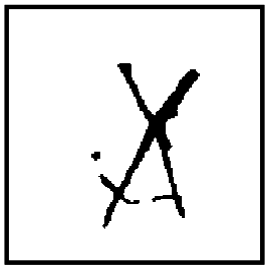
c. 1724
impressed, underglaze · dark blue · porcelain · Germany
An early crossed-swords mark, derived from the Saxon arms; impressed or applied in dark blue underglaze.
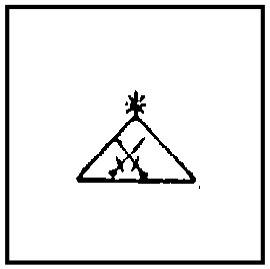
c. 1724
underglaze, impressed · dark blue · porcelain · Germany
Body mark or underglaze mark.
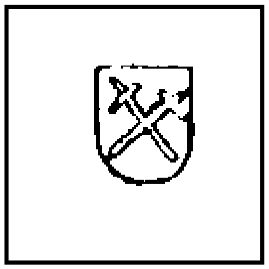
c. 1724
dark blue · porcelain · Germany
Early crossed-swords family, with body or dark-blue underglaze variants.
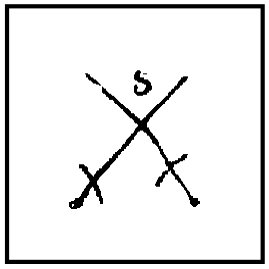
c. 1724
These early crossed-swords marks derive from the Saxon coat of arms.
dark blue · porcelain · Germany
Early variants can be impressed or blue underglaze.
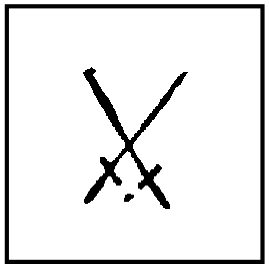
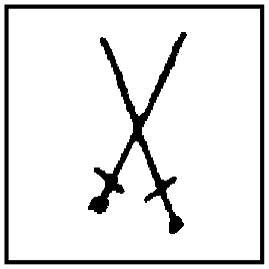
c. 1724
These early crossed-swords marks derive from the Saxon coat of arms.
dark blue · porcelain · Germany
Early variants can be impressed or blue underglaze.
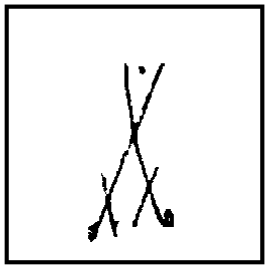
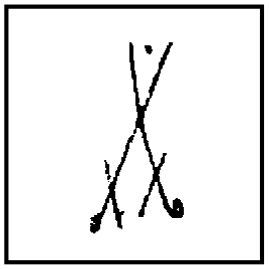
c. 1724
These early crossed-swords marks derive from the Saxon coat of arms.
dark blue · porcelain · Germany
Early variants can be impressed or blue underglaze.
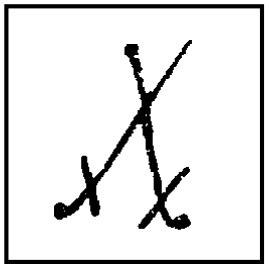
c. 1724
These early crossed-swords marks derive from the Saxon coat of arms.
dark blue · porcelain · Germany
Early variants can be impressed or blue underglaze.
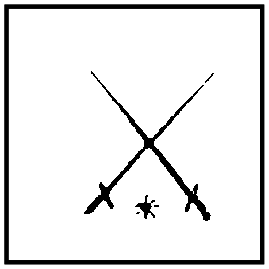
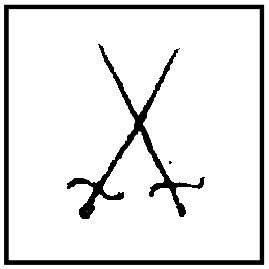
c. 1724
impressed, underglaze · dark blue · porcelain · Germany
An early crossed-swords mark, derived from the Saxon arms; impressed or applied in dark blue underglaze.
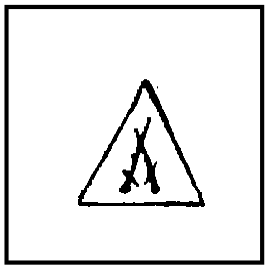
c. 1724
dark blue · porcelain · Germany
Early crossed-swords family, with body or dark-blue underglaze variants.
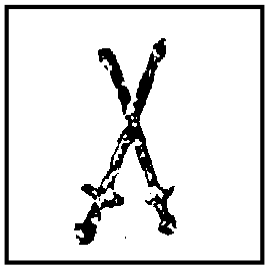
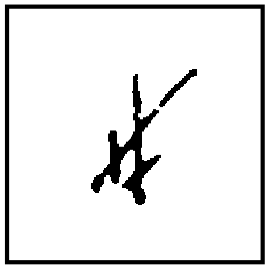
c. 1724
dark blue · porcelain · Germany
Early crossed-swords family, with body or dark-blue underglaze variants.
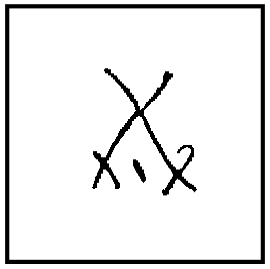
c. 1724
These early crossed-swords marks derive from the Saxon coat of arms.
dark blue · porcelain · Germany
Early variants can be impressed or blue underglaze.
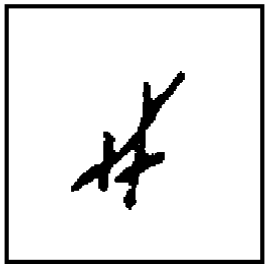
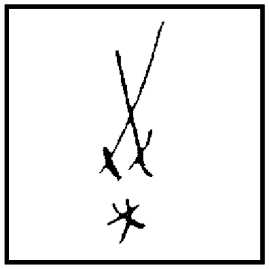
c. 1724
dark blue · porcelain · Germany
Early crossed-swords family, with body or dark-blue underglaze variants.
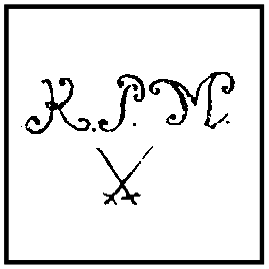
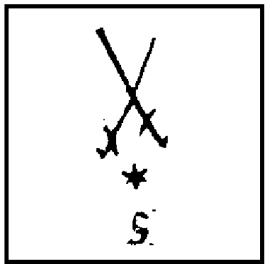
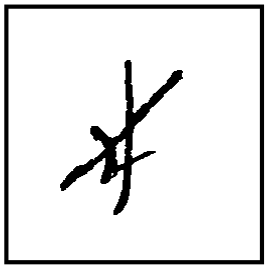
c. 1724
These early crossed-swords marks derive from the Saxon coat of arms.
dark blue · porcelain · Germany
Early variants can be impressed or blue underglaze.
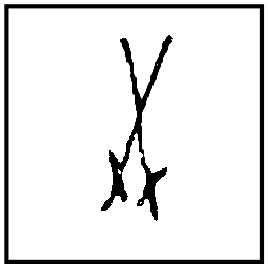
c. 1724
These early crossed-swords marks derive from the Saxon coat of arms.
dark blue · porcelain · Germany
Early variants can be impressed or blue underglaze.
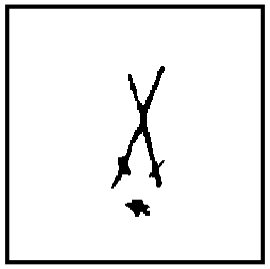
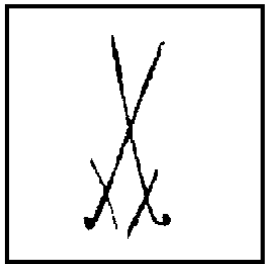
c. 1724
impressed, underglaze · dark blue · porcelain · Germany
An early crossed-swords mark, derived from the Saxon arms; impressed or applied in dark blue underglaze.
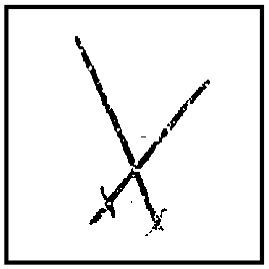
c. 1724
These early crossed-swords marks derive from the Saxon coat of arms.
dark blue · porcelain · Germany
Early variants can be impressed or blue underglaze.
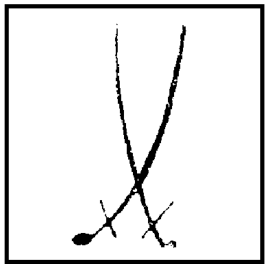
c. 1724
impressed, underglaze · dark blue · porcelain · Germany
An early crossed-swords mark, derived from the Saxon arms; impressed or applied in dark blue underglaze.
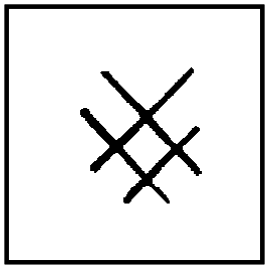
c. 1724
These early crossed-swords marks derive from the Saxon coat of arms.
dark blue · porcelain · Germany
Early variants can be impressed or blue underglaze.
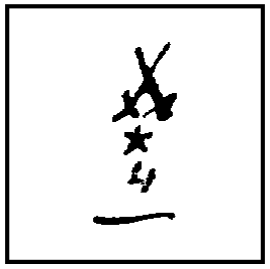
c. 1724
These early crossed-swords marks derive from the Saxon coat of arms.
dark blue · porcelain · Germany
Early variants can be impressed or blue underglaze.
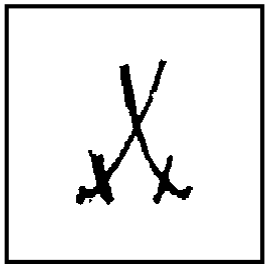
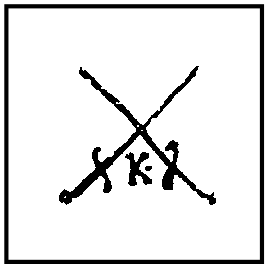
c. 1724
dark blue · porcelain · Germany
Early crossed-swords family, with body or dark-blue underglaze variants.
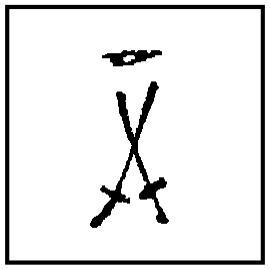
c. 1724
impressed, underglaze · dark blue · porcelain · Germany
An early crossed-swords mark, derived from the Saxon arms; impressed or applied in dark blue underglaze.
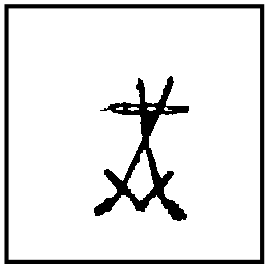
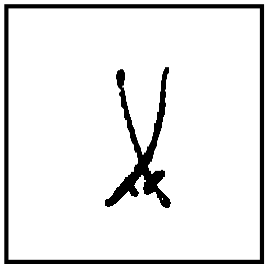
c. 1724
dark blue · porcelain · Germany
Early crossed-swords family, with body or dark-blue underglaze variants.
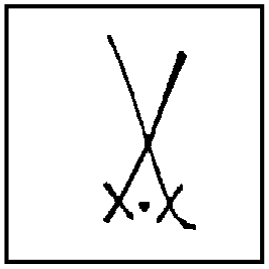
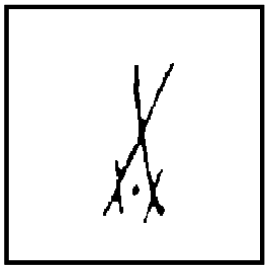
c. 1724
dark blue · porcelain · Germany
Early crossed-swords family, with body or dark-blue underglaze variants.
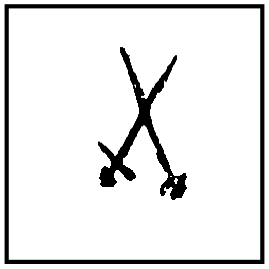
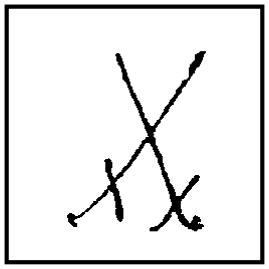
c. 1724
dark blue · porcelain · Germany
Early crossed-swords family, with body or dark-blue underglaze variants.
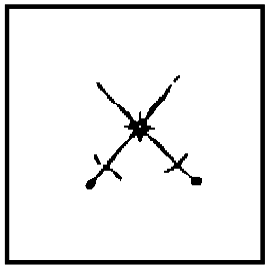
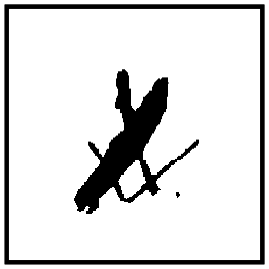
c. 1724
These early crossed-swords marks derive from the Saxon coat of arms.
dark blue · porcelain · Germany
Early variants can be impressed or blue underglaze.
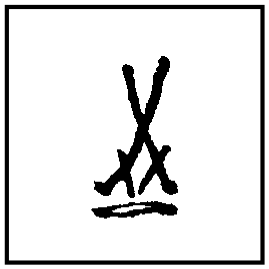
c. 1724
These early crossed-swords marks derive from the Saxon coat of arms.
dark blue · porcelain · Germany
Early variants can be impressed or blue underglaze.
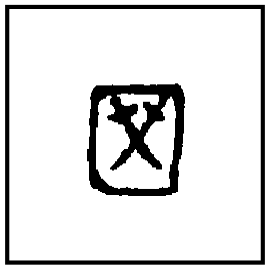
c. 1724
These early crossed-swords marks derive from the Saxon coat of arms.
dark blue · porcelain · Germany
Early variants can be impressed or blue underglaze.
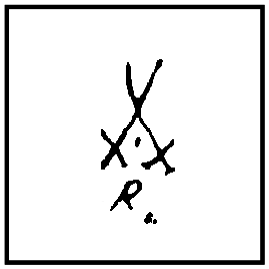
c. 1724
dark blue · porcelain · Germany
Early crossed-swords family, with body or dark-blue underglaze variants.
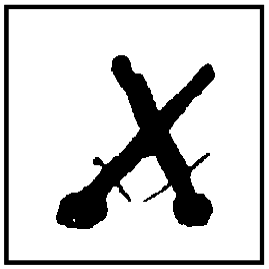
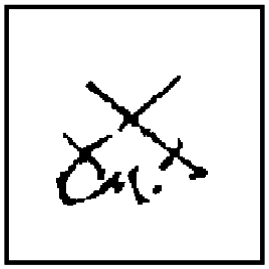
c. 1724
dark blue · porcelain · Germany
Early crossed-swords family, with body or dark-blue underglaze variants.
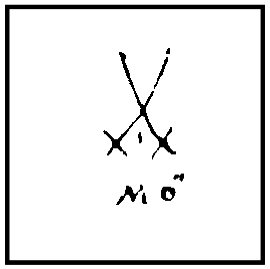
c. 1724
These early crossed-swords marks derive from the Saxon coat of arms.
dark blue · porcelain · Germany
Early variants can be impressed or blue underglaze.
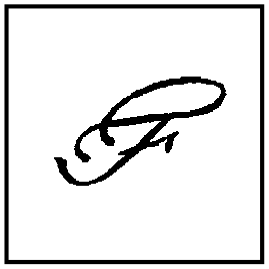
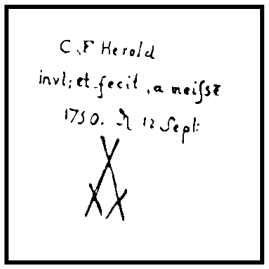
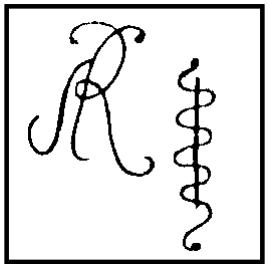
From 1725
underglaze · cobalt blue · porcelain · Saxony, Germany
Used on wares made personally for Augustus or as presents.
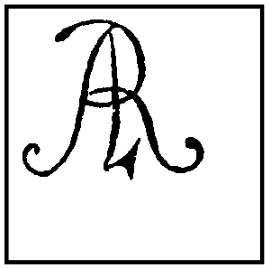
From 1725
underglaze · cobalt blue · porcelain · Saxony, Germany
Used on wares made personally for Augustus or as presents.
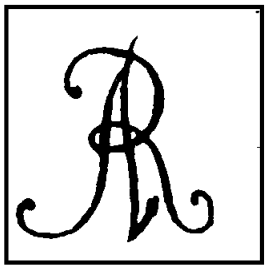
From 1725
underglaze · cobalt blue · porcelain · Saxony, Germany
Monogram used on wares made for Augustus, King of Poland and Elector of Saxony, or intended as gifts.
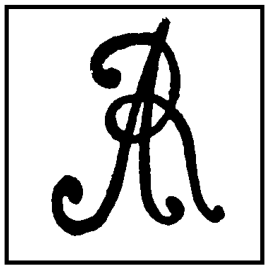
From 1725
underglaze · cobalt blue · porcelain · Saxony, Germany
Monogram for ware made personally for Augustus, King of Poland and Elector of Saxony, or as gifts.
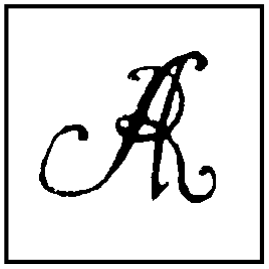
From 1725
underglaze · cobalt blue · porcelain · Saxony, Germany
Used on ware made personally for Augustus, King of Poland and Elector of Saxony, or as presents.
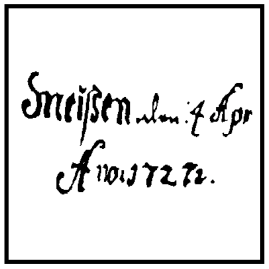

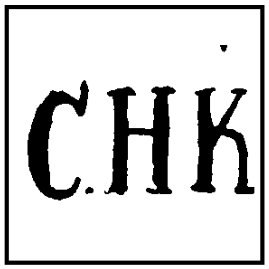
1730–1763
painted, overglaze · purple, black, red · porcelain · Germany
Placed beside the factory mark on wares for the residences of Augustus II and Augustus III.
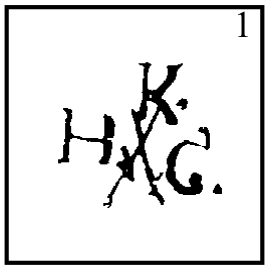
1730–1763
painted, overglaze · purple, black, red · porcelain · Germany
Purple, red or black residence marks placed beside a factory mark; Warsaw variants accompany a cobalt underglaze stamp.
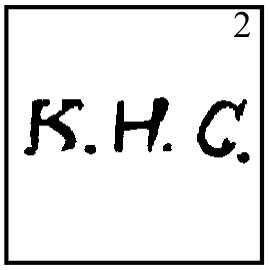
1730–1763
painted, overglaze · purple, black, red · porcelain · Germany
Placed beside the factory stamp on dishes for Saxon residences.
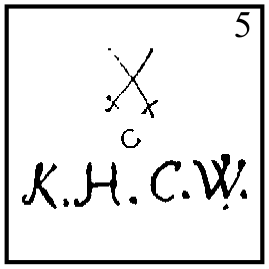
1730–1763
painted, overglaze · purple, black, red · porcelain · Germany
Placed beside the factory stamp on dishes for Saxon residences.
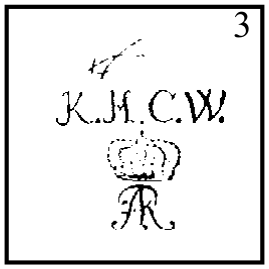
1730–1763
painted, overglaze · purple, red or black · porcelain · Germany
Placed beside a cobalt underglaze factory stamp on dishes for the Saxon residence in Warsaw.
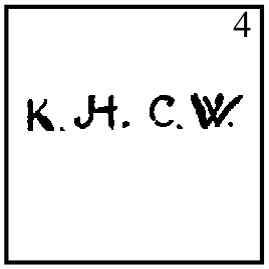
1730–1763
painted, overglaze · purple, red or black · porcelain · Germany
Applied beside the underglaze factory stamp on dishes for the Saxon residences, including Warsaw.
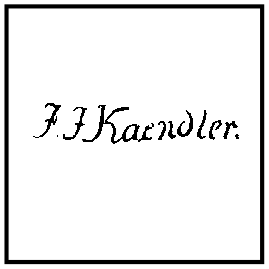
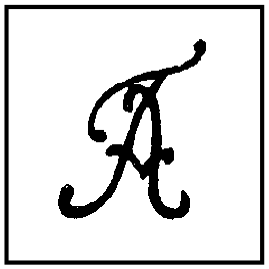
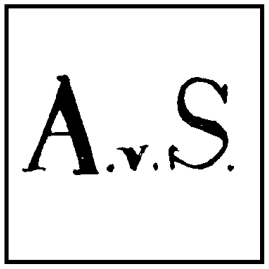
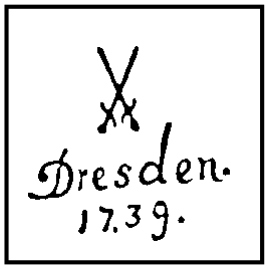
1739
painted, underglaze · cobalt blue · porcelain · Germany
This version was used very rarely.
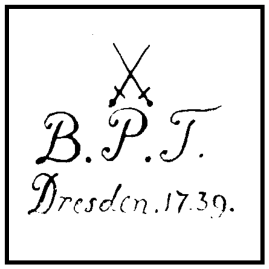
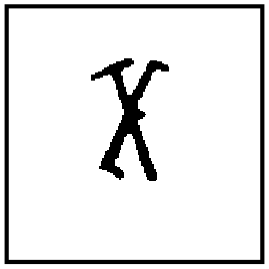
c. 1800–1999
painted, underglaze · dark blue · porcelain · Germany
Teichert factory mark.
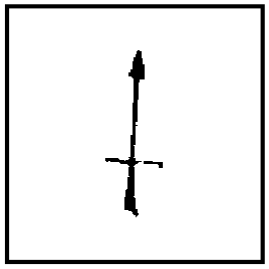
c. 1800–1999
painted, underglaze · dark blue · porcelain · Germany
Teichert factory.
1852–1870
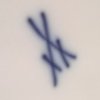
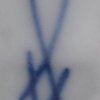
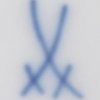
Four slashes through the blades indicate the lowest quality in the 1852–1870 system.
Four slashes Meissen mark. These four slashes through blades meant lowest quality in the period.
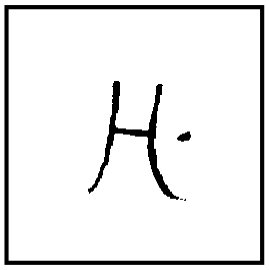
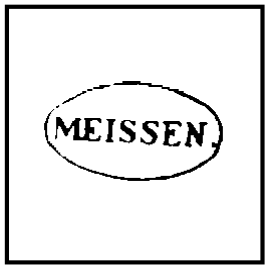
Undated
painted, underglaze · dark blue · porcelain · Germany
C. F. Teichert factory mark; 1864 is the factory's founding date, not a stated use date.

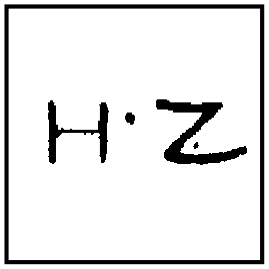
Undated
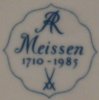
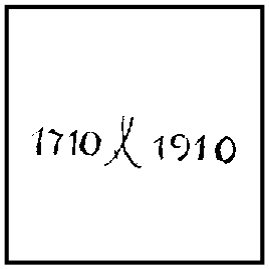
200th-anniversary mark bearing 1710–1910; these commemorative years are not a mark-use interval.
Undated
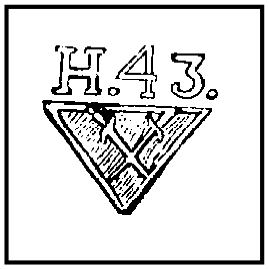
Residence marks are dated 1730–1763; body marks on bisque ware are dated approximately 1774.
purple, black, red · porcelain · Germany
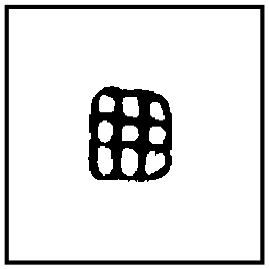
Undated
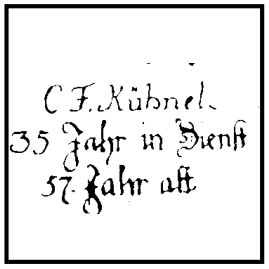
porcelain · Germany
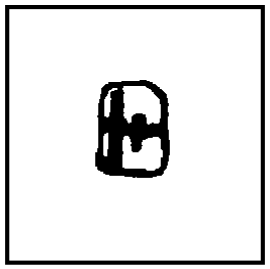
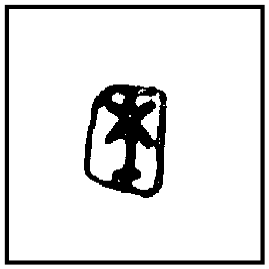
Ch. F. Kühnel name tag, often accompanied by a date.

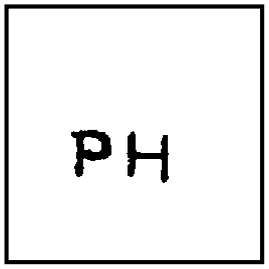
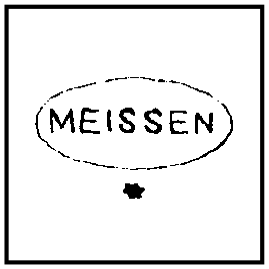
Undated
painted, underglaze · dark blue · porcelain · Germany
C. F. Teichert factory mark; the factory copied wares, especially the onion pattern.
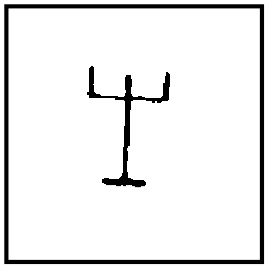
Undated
painted, underglaze · dark blue · porcelain · Germany
Teichert factory, described as nineteenth to twentieth century; no separate use interval is supplied for this mark.

Augustus the Strong established the Meissen porcelain manufactory in 1710 after experiments associated with Johann Friedrich Böttger and Ehrenfried Walther von Tschirnhaus. The works were installed in Albrechtsburg Castle above the town of Meissen in Saxony. Early production included red stoneware and hard-paste porcelain, with shapes and decoration responding to the ruler’s extensive collection of Asian ceramics.
Johann Gregorius Höroldt arrived in 1720 and transformed the factory’s enamel colours and painted decoration. Chinoiserie scenes, landscapes and European subjects became important parts of its repertoire. Johann Joachim Kändler, appointed in 1731, developed porcelain sculpture through animals, theatrical characters and figures from fashionable society. Elaborate services combined modelling and painting on a large scale.
The crossed swords derive from the Saxon electoral arms. Proposed as a factory mark in 1722, they became established alongside, and then in place of, several early letter marks. Their form changed during successive administrations, with dots or a star providing useful period clues. The manufactory moved from the castle to the Triebisch valley in 1865. It continues to make porcelain in Meissen. Separate local factories also used the town’s name, so a Meissen inscription alone does not identify the royal or state manufactory.
Also known as: Meißen · Royal Saxon Porcelain Manufactory · Königliche Porzellan-Manufaktur Meissen · State Porcelain Manufactory Meissen · Staatliche Porzellan-Manufaktur Meissen GmbH
This separate local factory used CÖLLN MEISSEN and related ET/arrow devices. The town name does not make it the Royal/State manufactory.
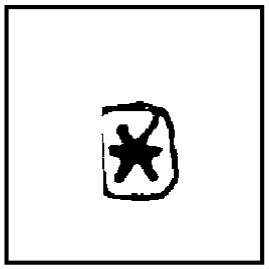
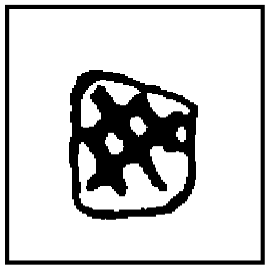
Its circular MEISSEN-and-star stamp and onion-pattern porcelain can be confused with royal Meissen. Look for its factory device rather than relying on the decoration.
Meissen used K.P.M. on some early wares. Read the accompanying device and historical context; letters alone do not prove the later Berlin manufactory.