
Glass
Harrach glass marks
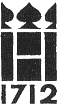
Harrach glass marks include “H 1712” on glass. Nineteenth-century production included elaborate crystal, colored overlays, gilding and enameling.
- Active years
- From c. 1763
- Country
- Czech Republic
- City / region
- Nový Svět, Harrachov, Bohemia, Bohemia
- Products
- cut and decorated glass, coloured glass, table glass, drinking glasses, decorative vessels
- Marks
- 10
Active by 1712; the glassworks continues under changing ownership.
What to look for
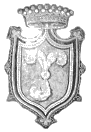
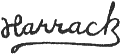
- Record whether the mark is a heraldic emblem, Harrach signature or modern H with 1712. The foundation date is not an object date.
- Use the complete form, decoration and any accompanying numbers with the emblem; older glass may require comparison with the factory sample collection.
- Distinguish the historical Harrach ownership period from later Novosad manufacture at the same glassworks.
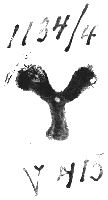
- The three-feather device identifies Harrach. It is often called a propeller; it is separate from Thomas Webb’s written factory signatures.
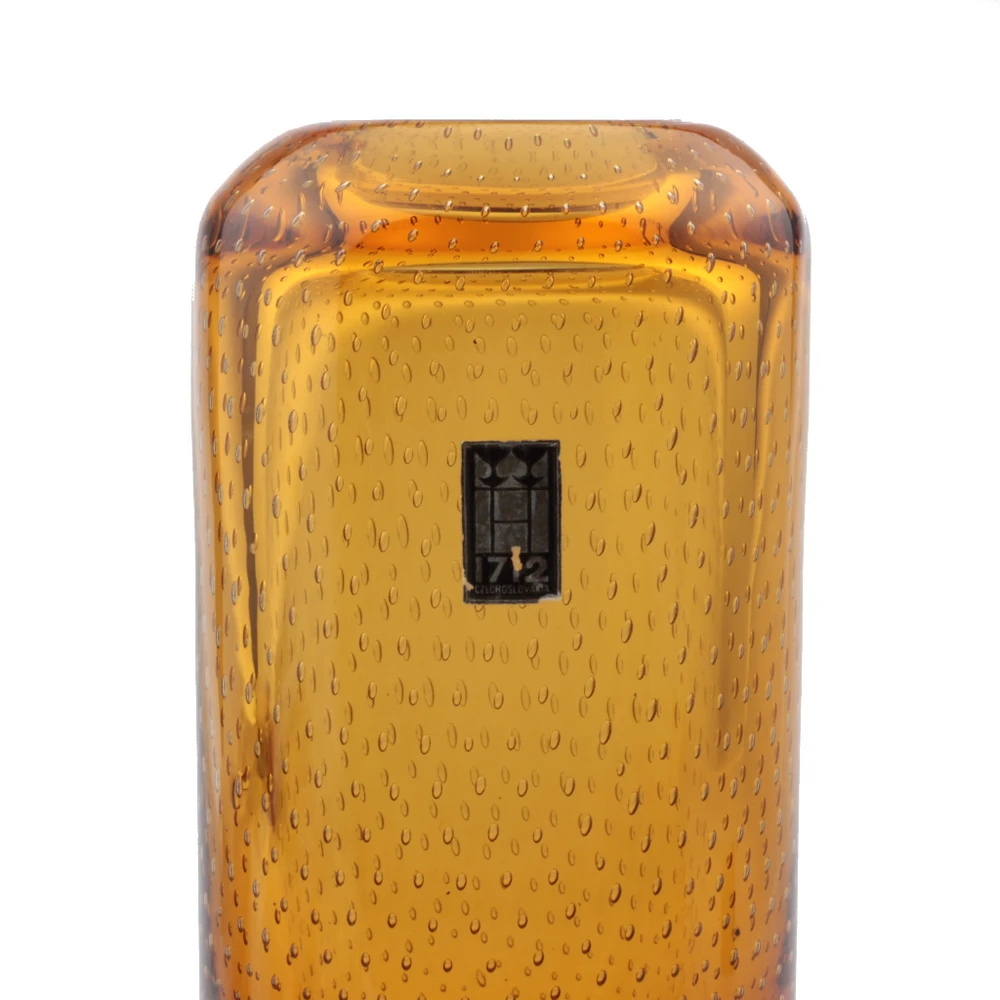
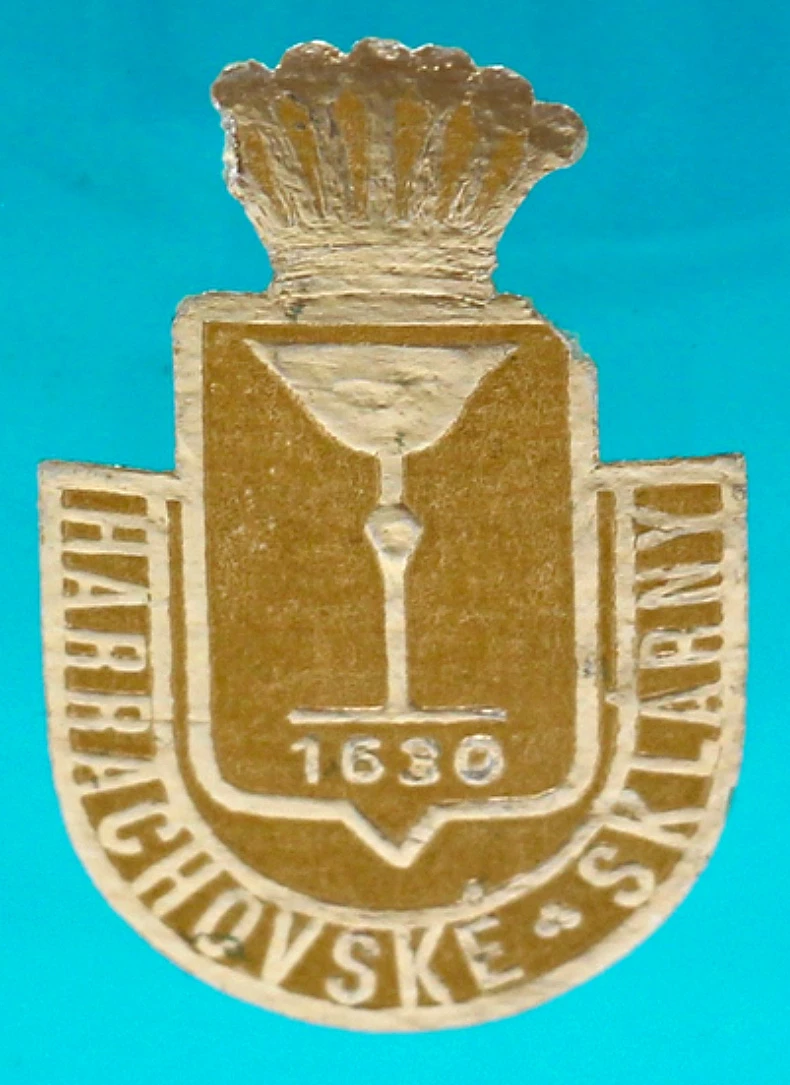
- Read historic years inside labels as part of the emblem. The gold Harrachovské label and black 1712 label are different designs.
- Keep the maker’s stamp separate from painted shape and decoration numbers. On some objects these occur together.
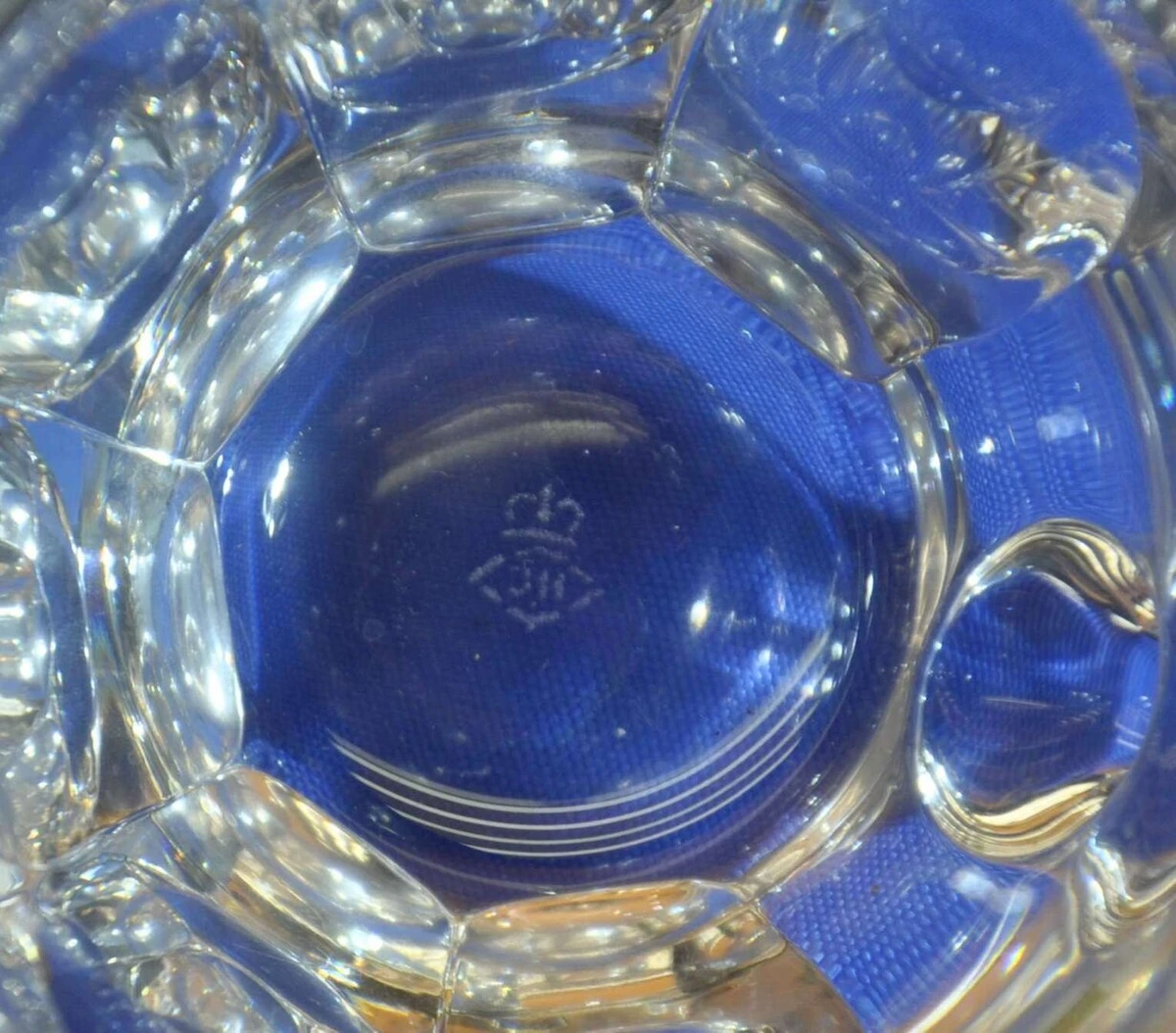
- Crowned HC is a Harrach Crystal identifier. A Josephinenhütte sticker can identify another business involved in a matching service.
Marks & lettering
10 marks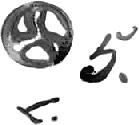
Undated
glass
Described as a late nineteenth-century enamelled mark.
glass · Bohemia
Late nineteenth-century example.
Undated
Harrach
This mark dates to the early twentieth century.
incised · glass · Bohemia
Early twentieth-century example.
Undated
H 1712
glass
The detached H/1712 emblem is not securely restricted to 1980–1989. In a 2024 interview the owner explicitly describes the same H, three crowns and 1712 device on current products; 1712 refers to the glassworks’ history, not this logo’s first use.
Undated
glass
glass · Bohemia
Enamelled version on Harrach glassware, formerly misattributed to the Webb glassworks.
Undated
1712 / CZECHOSLOVAKIA
Black rectangular label combining a geometric H, three drinking-glass forms and the factory’s historic year.
label
Undated
HC
Small crown above linked HC initials inside a pointed diamond; the companion Josephinenhütte label identifies a different business.
acid etched
Undated
HARRACHOVSKE SKLARNY / 1690
Gold crowned shield with one goblet and a surrounding horseshoe-shaped band of factory wording. The old year belongs to the emblem.
foil label
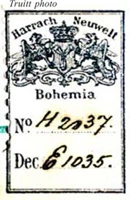
Undated
Harrach . Neuwelt / Bohemia / No / Dec
An elaborate heraldic crest above Bohemia, with separate handwritten number and decoration fields.
paper label
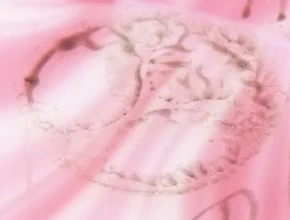
Undated
Three joined feather plumes within a circle
The three rounded feather ends form the so-called propeller device. Adjacent handwritten numbers are separate production annotations.
stamped
About Bohemia Harrach
The Harrach glassworks stands at Nový Svět, formerly Neuwelt, in the Krkonoše Mountains of northern Bohemia. Its history reaches back to 1712, when Elias Müller directed glassmaking on the Harrach family’s estate. The workshop developed from Baroque and Rococo wares into a major producer of colored, cut, engraved and painted glass.
Johann Pohl, director from 1808, helped expand its technical range and trade. Nineteenth-century production included elaborate crystal, colored overlays, gilding and enameling. The factory exhibited internationally, supplying customers well beyond Bohemia. By the late nineteenth century it employed about four hundred people. Its Art Nouveau work combined decorative glassmaking with floral painting and cutting, and the factory later made Art Deco designs and drinking services.
The business passed out of Harrach family ownership during the Second World War. A destructive fire in 1946 was followed by rebuilding and state administration. It subsequently operated within Železnobrodské sklo, Borské sklo and Crystalex. František Novosad took over the privatized glassworks in 1993. The continuing Novosad family business makes handmade table and decorative glass, with a museum, brewery and visitor facilities at the historic site.
Also known as: Harrachov glassworks · Neuwelt · Nový Svět · Novosad & Son · Novosad & syn · Harrach / Nový Svět glassworks · Harrachov · Gräflich Harrach’sche Glasfabrik · Neuwelter Hütte · Harrach Crystal · Novosad & Syn · Harrach glassworks at Nový Svět; Sklárna a minipivovar Novosad & syn Harrachov
Look-alikes & how to tell them apart
Other Bohemian decorated glass
Cutting, enamelling, gilding and coloured glass were used by several factories and independent decorators.
Compare the full signature or emblem and factory model; Bohemian style or decoration alone does not identify Harrach.
Modern Harrachov / Novosad glass
It continues the same works and uses the historical date 1712.
The H device and foundation date can occur on modern work. Read the actual marking style and compare the current factory range.
Thomas Webb & Sons →
Harrach’s three-feather device was formerly attributed to Webb. Look for the plume or the full factory wording; their names do not interchange.
Loetz
Both made related marbled, satin and decorated glass. Similar colour and rim crimping can occur across glassworks; compare the full stamp and factory shape.