
Glass
Imperial glass marks
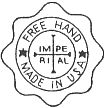
On glass from United States, Imperial glass marks carry “FREE HAND MADE IN USA IMPERIAL”. The mark period is 1924–1931.
- Active years
- 1901–1984
- Country
- United States
- City / region
- Bellaire, Ohio
- Products
- pressed tableware, carnival glass, NUCUT, NUART, Candlewick, milk glass
- Marks
- 8
Company organized 1901; glass production began February 1904 and ended in 1984.
What to look for
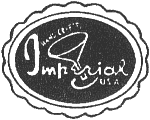
- Read the whole moulded monogram: IG, LIG, ALIG and NI identify different later phases. IG was first used in 1951.
- Lenox acquired Imperial in 1973; LIG first use dates to June 1977. Ownership and mark introduction are separate events.
- An older Heisey or Cambridge design may have been made later by Imperial from acquired moulds. Compare the actual mark and colour.
Marks & lettering
8 marks




About Imperial Glass Co
Edward Muhleman organized the Imperial Glass Company in Bellaire, Ohio, in 1901. Construction took longer than expected, and production began in February 1904. The factory made affordable pressed tableware, including tumblers, bowls, dishes and jars, and sold through large retailers and wholesalers. Iridescent glass entered the range in 1909, competing with the products now grouped as carnival glass.
Imperial developed several named lines, including NUCUT imitation-cut glass and NUART iridescent ware. Later output included milk glass, art glass, decorated wares and the Candlewick pattern. The company reorganized after financial difficulties in 1931. It also acquired moulds and equipment from other producers, notably Heisey and Cambridge, bringing older designs into later production.
Lenox took over the business in 1973, followed by Arthur Lorch in 1981 and further attempts to sustain the factory. Production ended in 1984. The changing ownership is reflected in the IG, LIG, ALIG and short-lived NI devices. These later monograms must be distinguished from earlier Imperial word marks and from similar initials used by unrelated glass companies.
Also known as: Imperial Glass Corporation · Lenox Imperial · New Imperial · Imperial Glass Company
Look-alikes & how to tell them apart
Illinois Glass and Iroquois Glass
Related I/G initials occur on container glass.
Compare letterforms, product type and period. Imperial’s later IG on tableware should not be transferred automatically to bottles.
Heisey and Cambridge
Imperial reused their moulds.
Use the mark, colour and production context to distinguish an earlier original from an Imperial version.