Ware & regional marks

Angel pewter marks identification

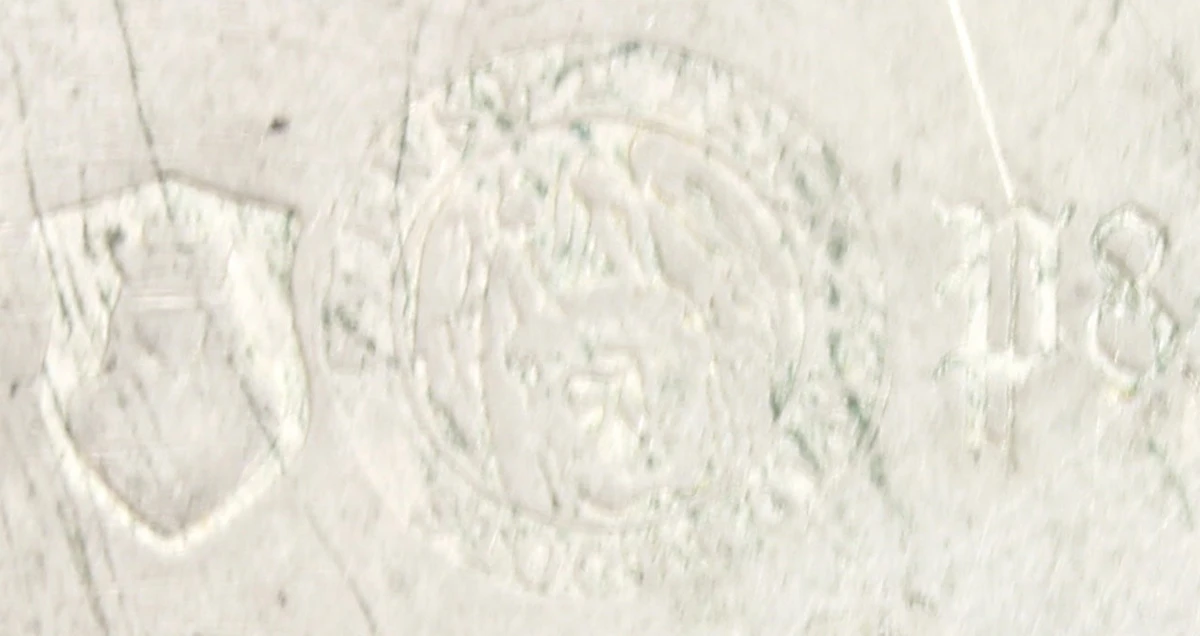
Angel pewter marks identification include stamped “SVENSKT TENN; worn adjacent year code” on pewter in Stockholm, Sweden.

Products
plates and dishes, tankards, pitchers, ladles, sugar bowls, decorative pewter
Marks
5

A symbol group used by multiple workshops, not a company. Illustrated examples range from eighteenth-century attributions to twentieth-century Svenskt Tenn; individual dates and locations are given per mark.

What to look for

Key makers & their marks

5 marks
Angel pewter marks mark

nederlandsetinvereniging.nl

Angel pewter marks

Undated

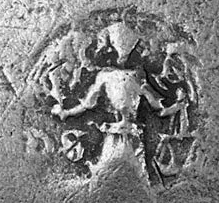
D S

D and S are incorporated in the device. Maker unidentified; appears on hollowware associated with Bradford marks.

stamped · pewter

Angel pewter marks mark

eronjohnsonantiques.com

Frans de Leeuw

Undated

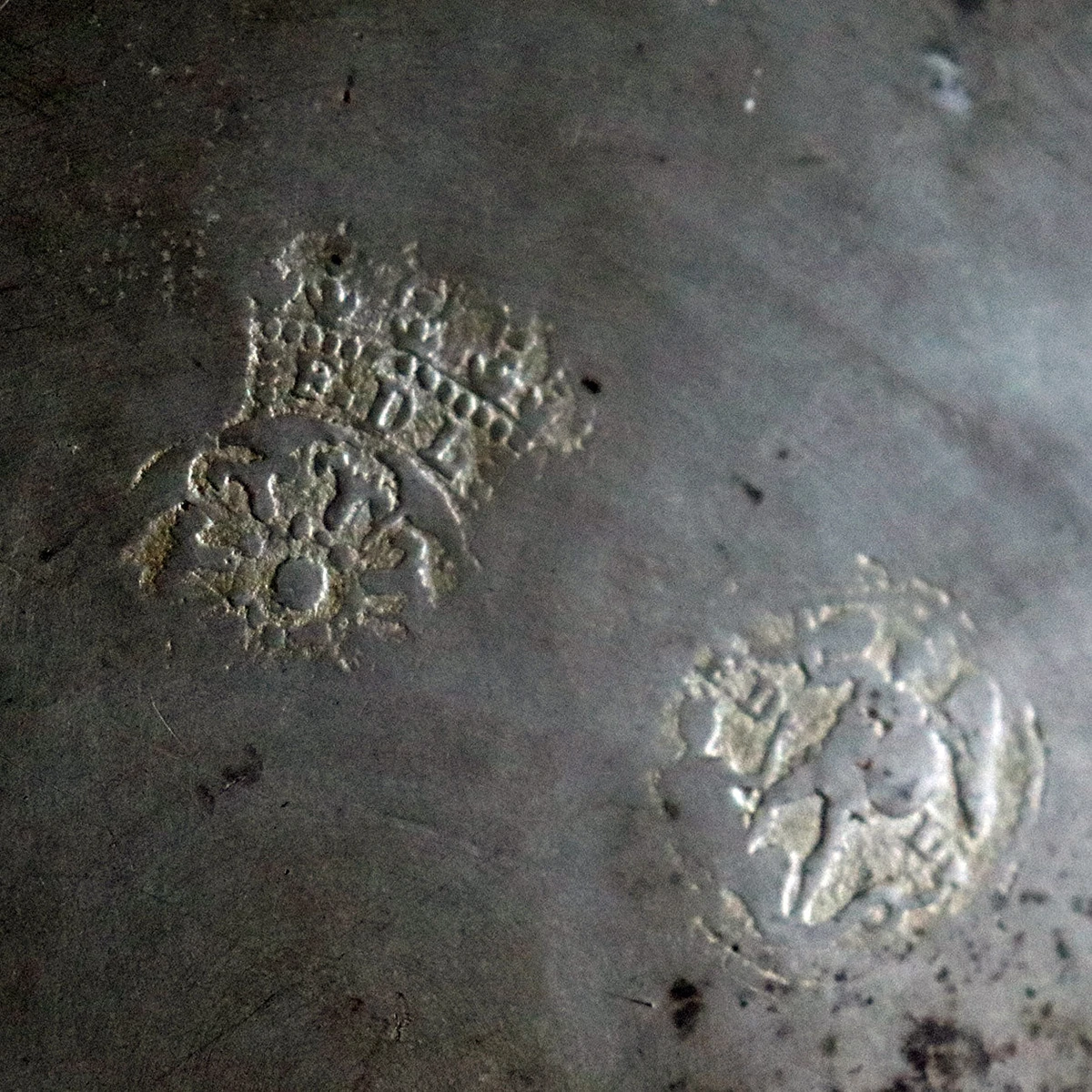
FDL

FDL initials distinguish this device from unnamed angel stamps. The crowned rose beside it is a separate mark.

stamped · pewter · Brussels

Angel pewter marks mark

nederlandsetinvereniging.nl

Angel pewter marks

Undated

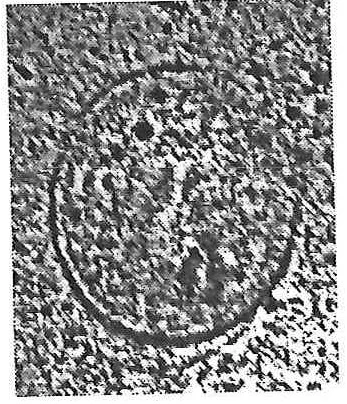
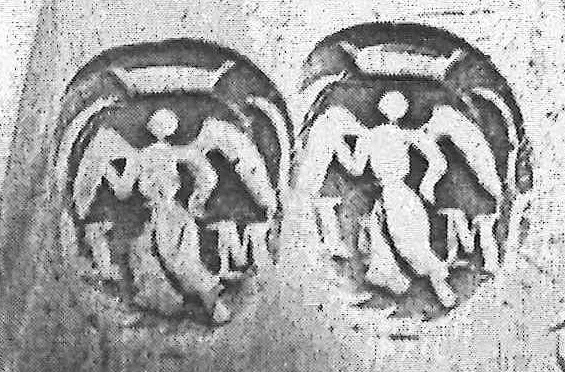
Single small upright winged figure in a rounded enclosing border.

Small oval stamp illustrated on a footed water pitcher. It lacks securely readable initials; compare the whole object and border rather than assigning it to the M ladle maker.

stamped · pewter · Netherlands or northwestern Germany, tentative catalogue attribution

About Angel pewter marks

Angel marks belong to several traditions of pewter marking across Europe. Eighteenth-century German pewterers used winged figures carrying a sword and balance, or a palm and trumpet, to advertise fine tin alloys. These devices appeared alongside other workshop and town marks. Their meaning depended on the local marking system, and the same general angel motif could be adapted by unrelated craftsmen.

In the Netherlands and neighbouring German regions, some angels were active, rounded figures rather than the upright sword-bearing type. Makers could add initials within or beside the figure. An angel with FDL is associated with Frans de Leeuw, who worked in Brussels; an anonymous crowned figure with M survives on a nineteenth-century ladle. Initials, border shape and accompanying stamps provide more specific comparisons than wings alone.

The motif continued into modern design. Firma Svenskt Tenn adopted a circular seal containing two winged figures for its Stockholm business, established in 1924. Its pieces can combine that seal with Stockholm wording and a Swedish year code. The D.S. angel appears on American-collected pewter associated with Cornelius Bradford wares; its maker is unidentified.

Also known as: Engelmarke · Engelzinn marks · angel touchmarks · Angel and winged-figure marks on pewter

Look-alikes & how to tell them apart

Crowned rose pewter marks

A crowned rose is a separate quality device, sometimes struck beside an angel. Compare the flower’s petals and central initials rather than treating every crowned pictorial punch as an angel.

Generic SVENSKT TENN wording

Those words can describe Swedish pewter without naming Firma Svenskt Tenn. The firm’s circular winged-figure seal and associated wording distinguish its own mark.