
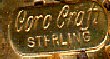
c. 1940–1949
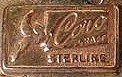
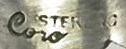
Coro Craft Sterling
This Coro Craft Sterling mark dates to the early to mid-1940s.
sterling silver
Mark: Courtesy Sande Kattau
Designer marks
The name “Made In Mexico Coro Silver” appears among Coro marks on silver from Mexico. Its mark period is 1943–1950.
Circa 1901–1979 for the American business; Canadian company continued separately beyond 1979.
c. 1940–1949
This Coro Craft Sterling mark dates to the early to mid-1940s.
sterling silver
Mark: Courtesy Sande Kattau
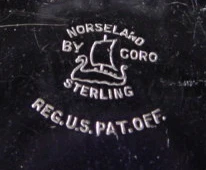
c. 1940–1949
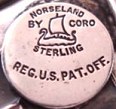
A stylized sailing ship separates the Norseland line name and sterling wording.
stamped
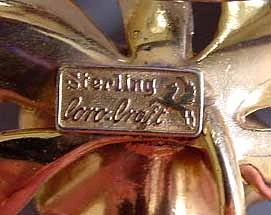
c. 1942–1947
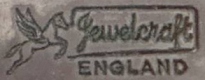
Connected Corocraft script under sterling, with a small winged horse in the rectangular plaque.
stamped
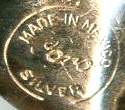
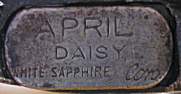
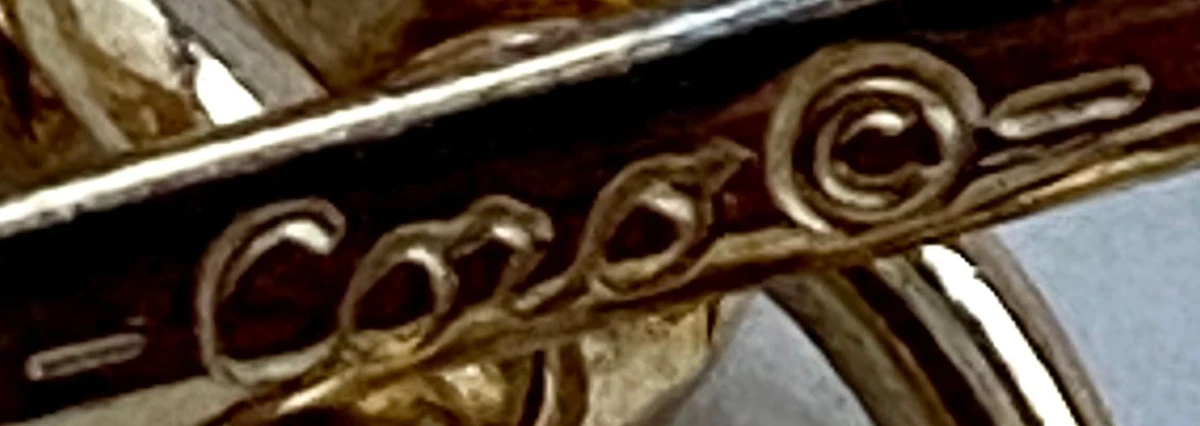

After 1965
sterling silver
Trademark issued to Coro for items made for sale to the US military.
Undated
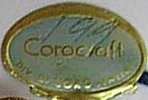
Mark: in Courtesy Evelyn Phillips Courtesy Erik Yang Mark: Sterling with flying Pegasus Courtesy Beth Rowlands. Courtesy Simply Sharon.
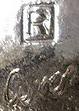
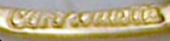
Undated
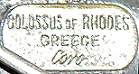
Illustrated in the 1922 TradeMarks of the Jewelry and Kindred Trades publication.
Mark: Courtesy Dianne Lavenburg (from 1922 TradeMarks of the Jewelry and Kindred Trades — Jewelers’ Circular)
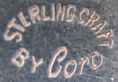
Undated
sterling silver
Sterling Craft around the top and by Coro around the bottom of a sideways oval.
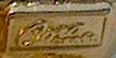
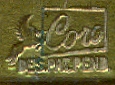
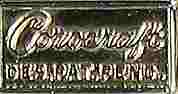
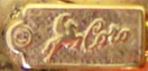
Undated
Mark: in rectangle with Pegasus beside) 1945 Photo courtesy . Mark: Mark: After 1955 , Courtesy Mike Friedrich
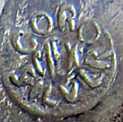
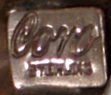
Undated
New York NY, USA
c.1922: 1328 Broadway, New York, | c.1943: 47 W. 34th St. New York
Undated
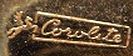
The script mark is listed with the date 1951; no use interval is given.
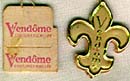
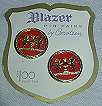
display card
Coroteens retail display card with two red jewelry pieces; this is packaging, not a metal maker punch.

Undated
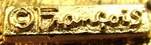
Mark: Photo courtesy David Pritchett. Mark: Futura 1953 Mark: Futurama 1953 Mark: Galaxy 1949

Undated
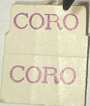
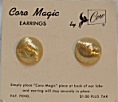
Mark: Courtesy BeeGee McBride Mark: Coro Magic -script 1960 Mark: Coro Mexico — 1943 — 1950 Coro contracted Taller Borda Silversmiths, owned by Hector Aquilar Photo courtesy Susan at Eureka.
Undated
Mark: Photo courtesy Manon Kavesky Mark: Moonrays 1956 Mark: Music Box 1923 Mark: Night Owls 1944 Mark: Norseland 1940’s Photo courtesy Luda Tovey. Courtesy Cindy Amirkhan

Undated
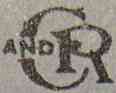
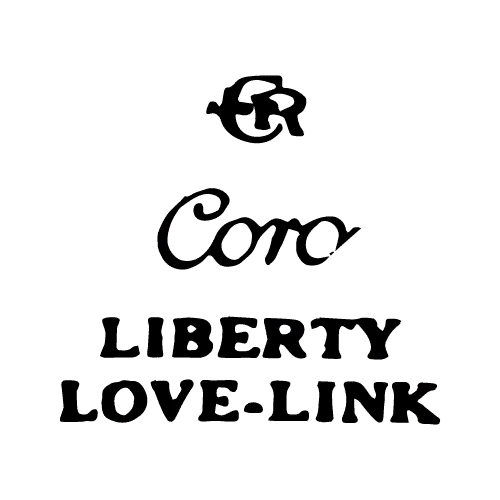
mark drawing · New York NY, United States
Composite drawing of CR, Coro and LIBERTY LOVE-LINK. It is not a single on-object stamp or four independent object photographs.
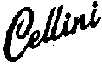
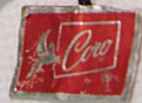
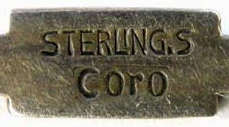
Undated
Upright Coro lettering beneath Sterling on an elongated connector tag.
stamped
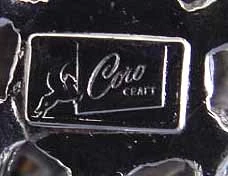
Undated
Large winged horse stands beside a smaller rectangle containing Coro over CRAFT.
stamped
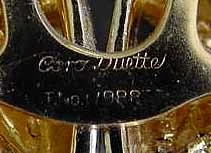
Undated
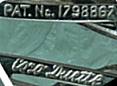
The line name and mechanism patent are stamped on the removable brooch frame.
stamped
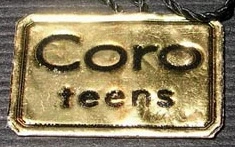
Undated
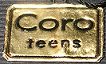
Two-line wording on a rectangular tied tag, with teens in lower-case letters.
metal hangtag
Coro began as Cohn & Rosenberger, a New York business founded by Emanuel Cohn and Carl Rosenberger around 1901. Manufacturing developed in Providence, Rhode Island, and the firm became one of the large American costume-jewelry producers. The Coro name was used on jewelry before it became the company’s corporate name in 1943.
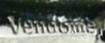
The business made necklaces, bracelets, earrings, dress clips and brooches across several price levels. Its range included rhinestone flowers, enameled figures, clear-bodied animal designs and matching sets. Corocraft, Vendome and Francois were among its better-quality lines. Coro Duettes combined two removable clips in a brooch frame, allowing the components to be worn together or separately. Sterling silver also appears in its wartime and postwar output.
Gene Verri, born Verrecchia, was an important designer among a larger design staff. Company representative Adolph Katz signed many patents; his name on a patent does not by itself identify the object’s designer. The founding family later sold the company to Richton. American operations ended in 1979, while the Canadian business continued separately. The many line names and changing devices make the complete inscription useful for identifying Coro’s output.
Also known as: Coro · Corocraft · Coro Craft · Coro Duette · Coro Teens · Norseland by Coro · Vendome · Francois · Cohn & Rosenberger; later Coro, Inc. · Cohn & Rosenberger · Vendôme · Jewelcraft · Cohn & Rosenberger, Inc.; later Coro, Inc. · Coro / Cohn and Rosenberger · Cohn & Rosenberger, Inc.
A two-clip construction alone does not identify Coro. Coro Duette wording and the marked frame distinguish it from a differently signed maker’s mechanism.
Rhinestone figurals and detachable clip brooches from the same market.
Read the maker's lettering on the frame and both clips; a paired-clip construction alone is not the Coro name.
Some Canadian Coro pieces carry country wording.
Country wording alone is insufficient. Look for a Coro signature or a matching Coro design.