
Pottery & porcelain
Bow pottery marks
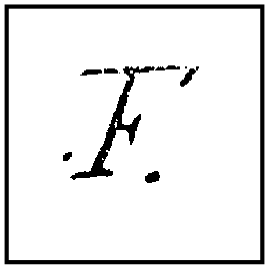
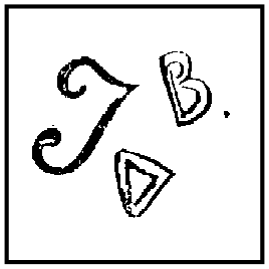
The name “TF” appears among Bow pottery marks on porcelain from England, United Kingdom. Its mark period is 1744–1759.
- Country
- United Kingdom
- City / region
- England
- Marks
- 25
Dated marks & timeline
25 marks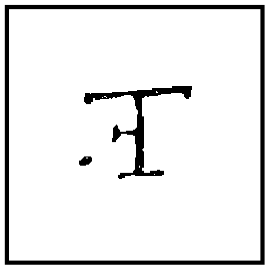
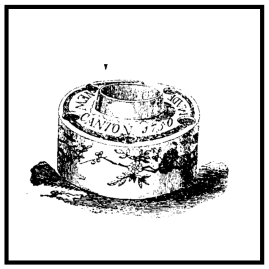
c. 1750–1759
printed · different colours · porcelain
printed · different colours · porcelain · England, United Kingdom
Used on ware imitating oriental models.
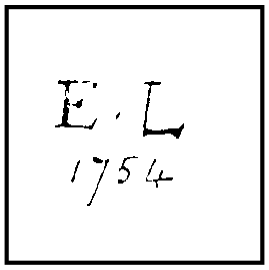
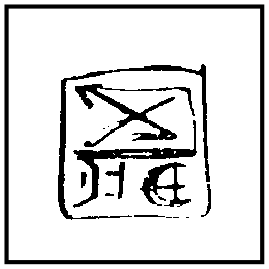
1750–1775
painted · blue or red · porcelain
painted · blue or red · porcelain · England, United Kingdom
Marks on products imitating Japanese and Chinese designs.

1750–1775
painted · blue, red · porcelain
painted · blue, red · porcelain · England, United Kingdom
Blue or red mark on wares imitating Japanese and Chinese designs.
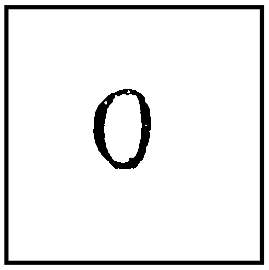
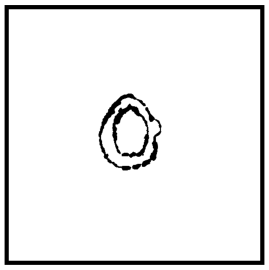
1750–1775
impressed · blue · porcelain
impressed · blue · porcelain · England, United Kingdom
Body marks or drawn blue marks.
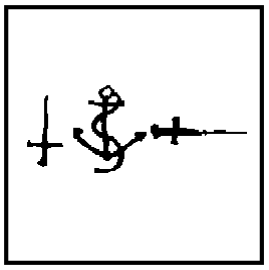
1750–1775
painted · blue or red · porcelain
painted · blue or red · porcelain · England, United Kingdom
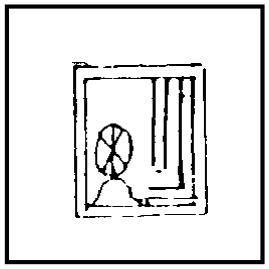
Drawn blue or red marks. Blue drawn mark. Blue and red marks are on the products imitating Japanese and Chinese designs.
1750–1775
painted · blue, red · porcelain
painted · blue, red · porcelain · England, United Kingdom
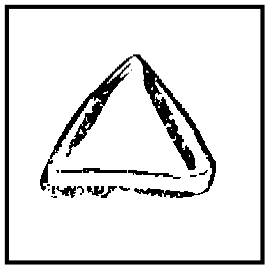
Blue or red drawn marks; blue-and-red variants were used on wares imitating Japanese and Chinese designs.
1750–1775
painted · blue or red · porcelain
painted · blue or red · porcelain · England, United Kingdom
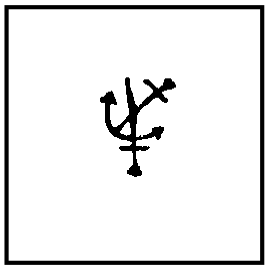
Drawn blue or red marks. Blue drawn mark. Blue and red marks are on the products imitating Japanese and Chinese designs.
1750–1775
painted · blue, red · porcelain
painted · blue, red · porcelain · England, United Kingdom
Blue or red drawn marks; blue-and-red variants were used on wares imitating Japanese and Chinese designs.
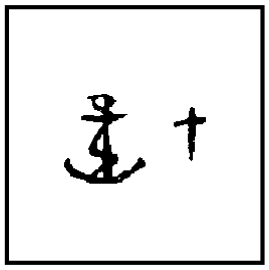
1750–1775
painted · blue or red · porcelain
painted · blue or red · porcelain · England, United Kingdom
Drawn blue or red marks. Blue drawn mark. Blue and red marks are on the products imitating Japanese and Chinese designs.
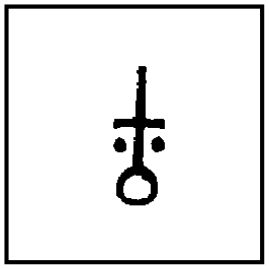
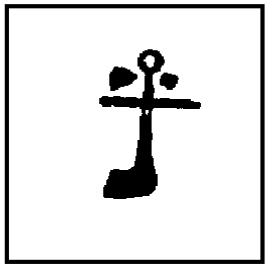
1750–1776
impressed · porcelain
impressed · porcelain · England, United Kingdom
Mark in the ceramic body.
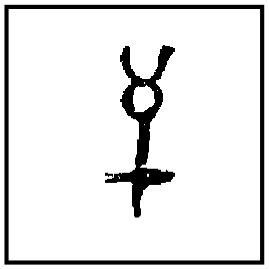
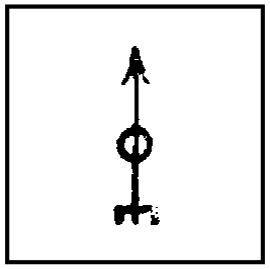
1750–1776
impressed · porcelain
impressed · porcelain · England, United Kingdom
Mark in the ceramic body.
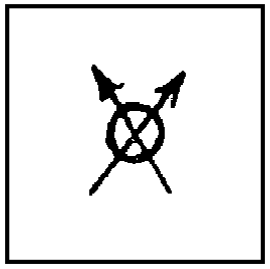
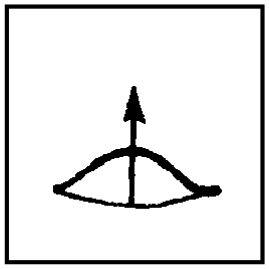
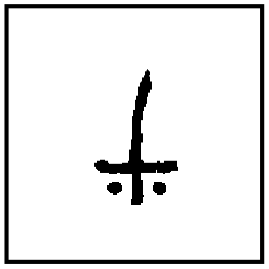
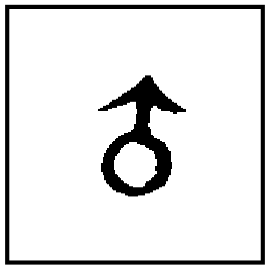
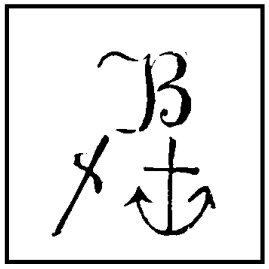
1760–1775
B
painted · blue or red · porcelain · England, United Kingdom
The production of in Bow started in by Edward Heylin and Thomas Frei. In the factory was sold to Dewsbury. In 1776 the production was moved to Derby. The first soft was of low quality, later bone was produced. was decorated imitating Chinese, Meissen and Sevres models. figures were the most interesting in Bow. Blue or red drawn marks
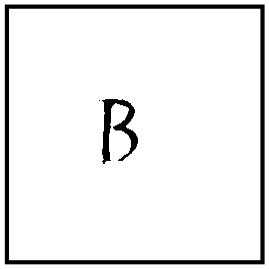
1760–1775
B
painted · blue, red · porcelain · England, United Kingdom
The production of in Bow started in by Edward Heylin and Thomas Frei. In the factory was sold to Dewsbury. In 1776 the production was moved to Derby. The first soft was of low quality, later bone was produced. was decorated imitating Chinese, Meissen and Sevres models. figures were the most interesting in Bow. Blue or red drawn marks
Marks 25–25
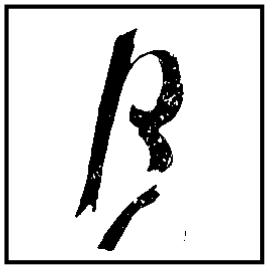
About Bow
Edward Heylin and Thomas Frye began porcelain production at Bow around 1748. The factory first made soft porcelain and later bone porcelain, with decoration inspired by Chinese, Meissen and Sèvres models. Figures were a notable product. The factory was sold to Dewsbury in 1775, and production moved to Derby in 1776. Porcelain production at Bow began around 1748 under Edward Heylin and Thomas Frei. The factory was sold in 1775 and production moved to Derby in 1776.
It initially made soft porcelain and later bone porcelain, decorating wares in Chinese, Meissen and Sèvres styles; figures were a notable product. The factory first made soft porcelain and later bone porcelain, drawing on Chinese, Meissen and Sèvres designs. It was sold to Duesbury in 1775, and production moved to Derby in 1776.