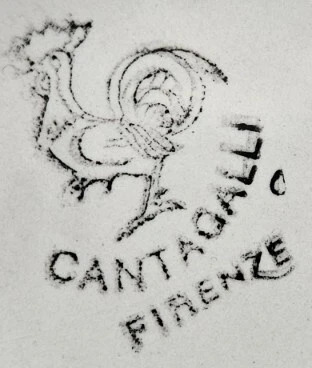
About Cantagalli
Cantagalli was a Florentine family pottery with roots predating its best-known artistic production. In 1878 Ulisse Cantagalli and his brother Romeo reorganised the enterprise as Figli di Giuseppe Cantagalli. Ulisse redirected production towards decorative maiolica inspired by Italian Renaissance ceramics. His potters studied forms and decoration associated with Urbino, Deruta, Gubbio and other historic centres, producing dishes, vases, ewers and reliefs in revived styles.
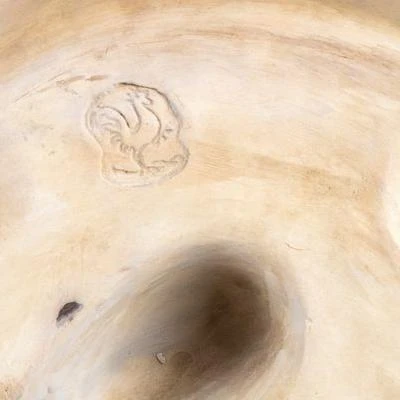
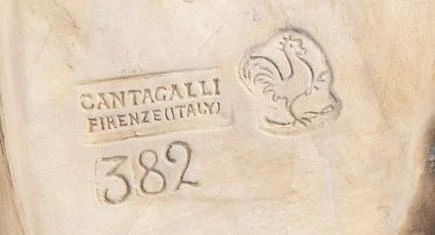
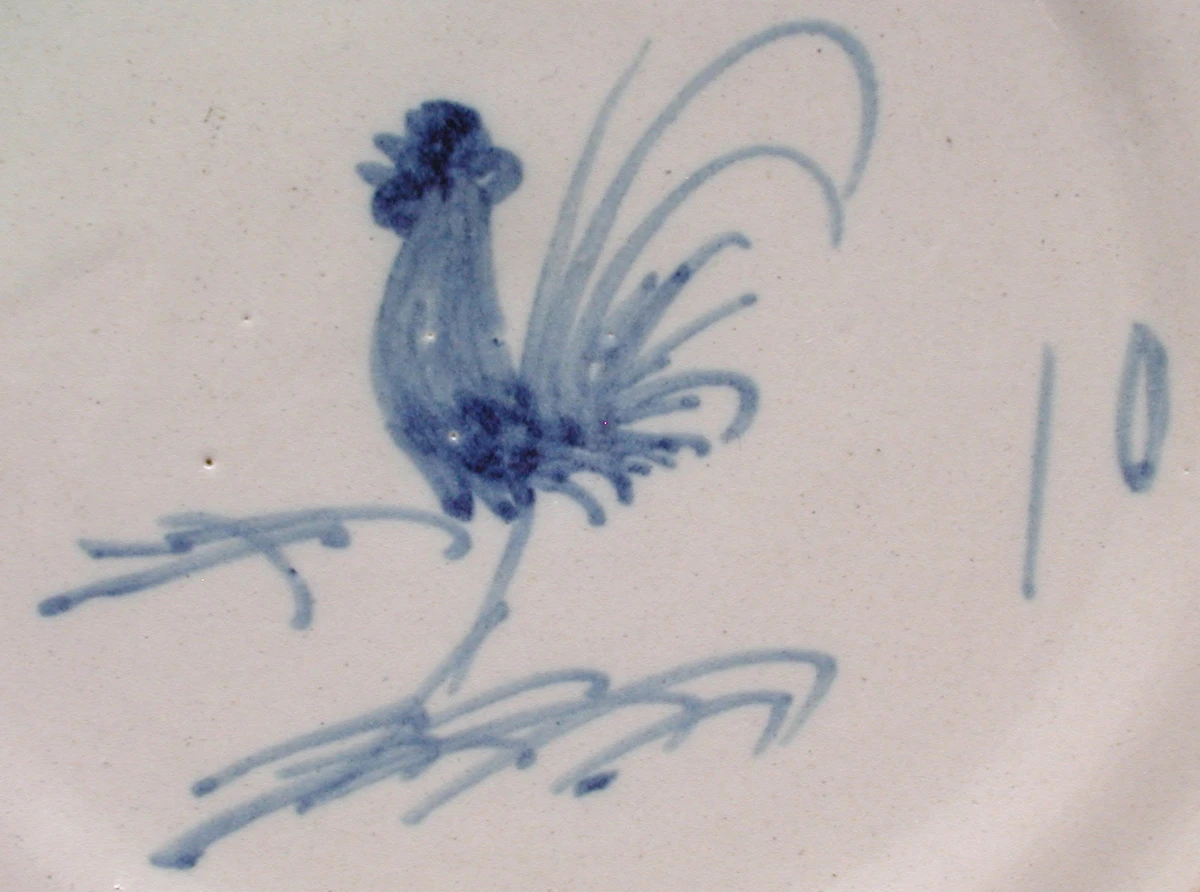
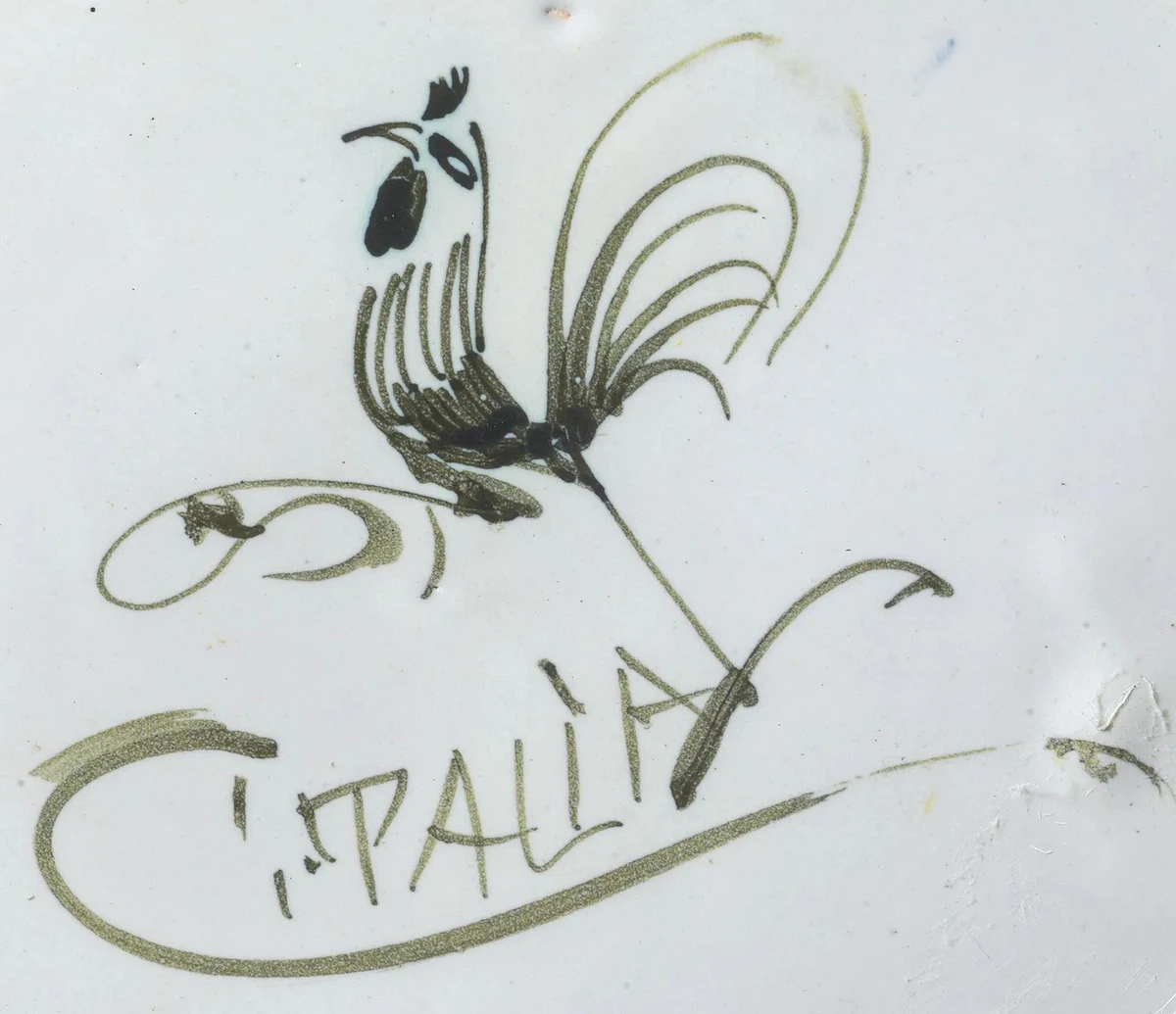
The workshop also made Islamic and Hispano-Moresque-inspired wares and developed metallic lustre decoration. Its glazed religious reliefs drew on the Della Robbia tradition. Ulisse’s Scottish wife Margaret Tod helped maintain connections with British customers, and the company supplied an international collecting market. Collaboration with William De Morgan produced a small group of distinctive lustred dishes. The familiar crowing cockerel makes a visual play on the Cantagalli name.
After Ulisse’s death in 1901 the business continued under family management. Artistic direction, ownership and operating arrangements changed during the twentieth century, and more utilitarian tablewares joined the decorative ranges. The original premises were sold in the 1960s, while cooperative successor production moved to Sesto. Painted cockerels, named printed marks and impressed stamps therefore belong to a broader manufacturing history than the lifetime of Ulisse alone.