
Ware & regional marks
Capodimonte marks
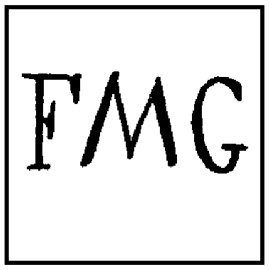
Capodimonte marks are associated with soft-paste porcelain and tea and table services from Italy. Capodimonte marks include “FMG” on faience.
- Tradition from
- From 1743
- Country
- Italy
- Products
- soft-paste porcelain, tea and table services, porcelain figures, biscuit sculpture, decorative porcelain groups
- Marks
- 24
Original royal Capodimonte factory 1743–1759. Separate royal Naples/Ferdinandea factory 1771–1806; later Capodimonte-style ware is not one continuous firm.
What to look for
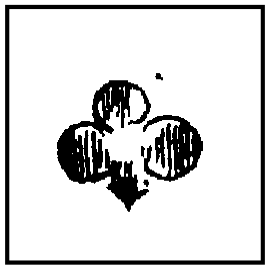
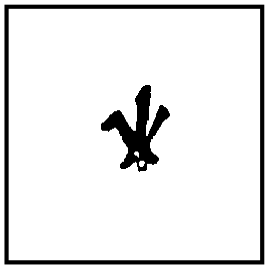
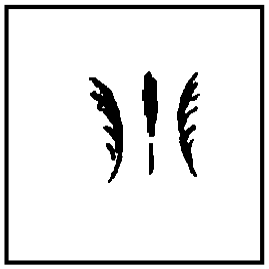
- Separate the Bourbon fleur-de-lis of early Capodimonte from crowned-N and royal-monogram examples associated with later Naples production.
- Read every additional name and country mark. A crowned N can also identify later Doccia production, which used a blue underglaze version.
- Compare the model and paste with other examples of the same design. The name Capodimonte covers an eighteenth-century factory and many later decorative wares with different makers.
Key makers & their marks
24 marks

Undated
porcelain
porcelain · Capodimonte, Italy
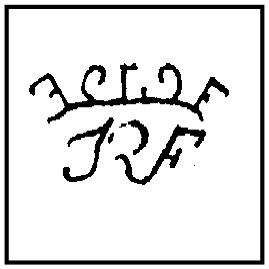
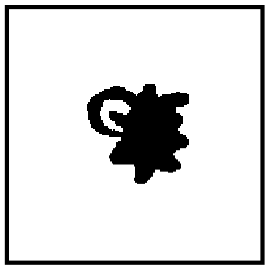
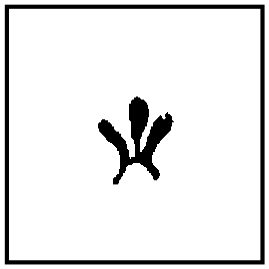
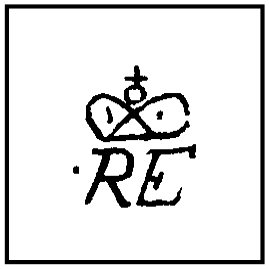
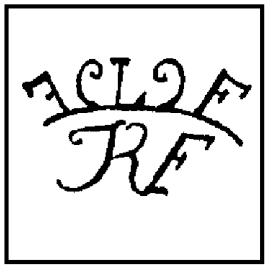
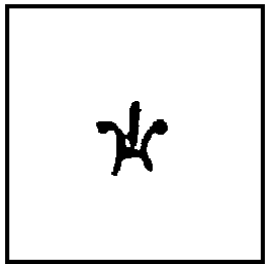
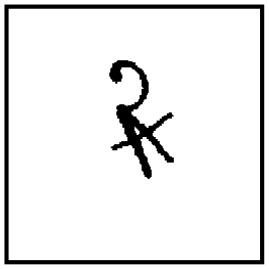
Charles III, King of Naples and Sicily, in 1743 established a factory in Capodimonte castle (near Naples). In 1759, Charles III was called to the Spanish throne and moved its production to Buen Retiro in Spain. The Capodimonte was soft and of high artistic level.
Undated
porcelain
porcelain · Capodimonte, Italy
Charles III, King of Naples and Sicily, in 1743 established a factory in Capodimonte castle (near Naples). In 1759, Charles III was called to the Spanish throne and moved its production to Buen Retiro in Spain. The Capodimonte was soft and of high artistic level.

Undated
porcelain
porcelain · Italy
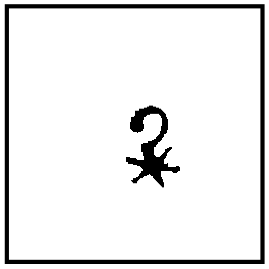
The dates 1743 and 1759 describe the factory's founding and move, not this mark's use.
Undated
porcelain
porcelain · Capodimonte, Italy
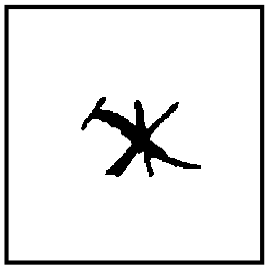
Charles III, King of Naples and Sicily, in 1743 established a factory in Capodimonte castle (near Naples). In 1759, Charles III was called to the Spanish throne and moved its production to Buen Retiro in Spain. The Capodimonte was soft and of high artistic level.

Undated
porcelain
porcelain · Capodimonte, Italy
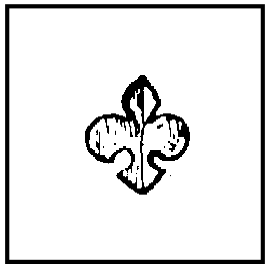
Charles III, King of Naples and Sicily, in 1743 established a factory in Capodimonte castle (near Naples). In 1759, Charles III was called to the Spanish throne and moved its production to Buen Retiro in Spain. The Capodimonte was soft and of high artistic level.
Undated
porcelain
porcelain · Italy
The dates 1743 and 1759 describe the factory's founding and move, not this mark's use.
Undated
porcelain
porcelain · Capodimonte, Italy
Charles III, King of Naples and Sicily, in 1743 established a factory in Capodimonte castle (near Naples). In 1759, Charles III was called to the Spanish throne and moved its production to Buen Retiro in Spain. The Capodimonte was soft and of high artistic level.
Undated
porcelain
porcelain · Italy
The dates 1743 and 1759 describe the factory's founding and move, not this mark's use.
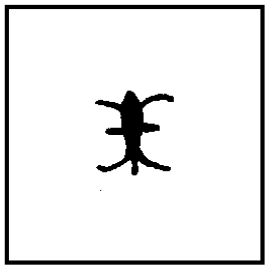
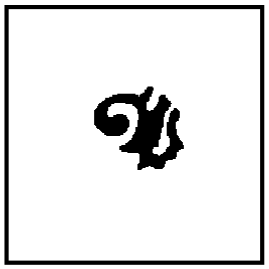
Undated
porcelain
porcelain · Capodimonte, Italy
Charles III, King of Naples and Sicily, in 1743 established a factory in Capodimonte castle (near Naples). In 1759, Charles III was called to the Spanish throne and moved its production to Buen Retiro in Spain. The Capodimonte was soft and of high artistic level.

Undated
porcelain
porcelain · Italy
The dates 1743 and 1759 describe the factory's founding and move, not this mark's use.
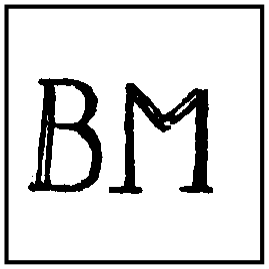
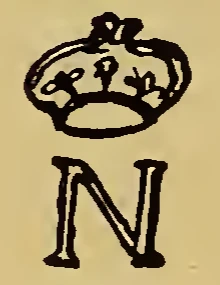
Royal Naples / Real Fabbrica Ferdinandea
Undated
N
Crowned N belongs to the later Naples marking tradition; it is not the first Capodimonte factory’s fleur-de-lis.
mark drawing · porcelain · Naples, Italy
Later manufacturers also used crowned N.
About Capodimonte
Capodimonte began as a royal soft-paste porcelain factory founded in Naples in 1743 under Charles of Bourbon and Maria Amalia of Saxony. Its output included tea services, small decorative objects, figures and ambitious porcelain interiors. Giuseppe Gricci was an important modeller, while Giovanni Caselli directed the painting workshop. The Bourbon fleur-de-lis is associated with this first factory.
When Charles became king of Spain in 1759, the factory’s workers, models and equipment moved to Buen Retiro near Madrid. Ferdinand IV established a separate royal porcelain manufacture in Naples in 1771. This later enterprise, often called the Ferdinandea, made table services and biscuit sculpture, including work by Filippo Tagliolini. Its marks include royal monograms and the crowned N.
The original Capodimonte and later royal Naples factories occupy distinct periods. During the nineteenth and twentieth centuries other manufacturers adopted related designs and marks, and Capodimonte became a broader name for decorative porcelain. Doccia used a crowned N from about 1867 to 1950. A crowned N therefore needs to be read with the porcelain body, model and any additional maker wording.
Also known as: Capo di Monte · Real Fabbrica di Capodimonte · Real Fabbrica di Napoli · Real Fabbrica Ferdinandea · Capodimonte-style porcelain · Capodimonte and related Neapolitan porcelain
Look-alikes & how to tell them apart
Buen Retiro, Madrid →
Charles transferred the original Neapolitan factory’s personnel and equipment to Spain in 1759; related fleur-de-lis marks occur.
A fleur-de-lis alone does not separate Naples from Madrid. Compare the complete model, paste and factory marks.
Doccia / Ginori crowned N →
The later Italian factory used the same broad crowned-N device.
Compare the exact painted crown and N with Museo Ginori’s illustrated c.1867–1950 mark, plus any Ginori wording or model context. Do not date all crowned-N pieces to royal Naples.
Later Capodimonte-style porcelain
Later Italian and continental makers used crowned N devices on decorative figures and relief wares.
Look for the actual manufacturer or modeller name and country wording; style and crowned N alone cannot select an eighteenth-century royal factory.