
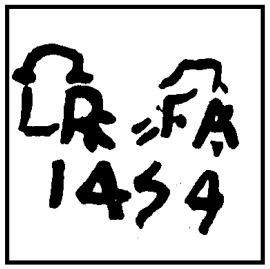
c. 1400–1499
LR FA 1454
Source places Luca del Robbia’s name tag in the middle of the fifteenth century.
faience · Florence, Tuscany, Italy
The middle of the XV century. Name tag of Luca del Robbia, founder of the Italian majolica.
Pottery & porcelain
Tuscany, Italy · 11 marks.
c. 1400–1499
Source places Luca del Robbia’s name tag in the middle of the fifteenth century.
faience · Florence, Tuscany, Italy
The middle of the XV century. Name tag of Luca del Robbia, founder of the Italian majolica.

c. 1575–1585
painted · dark blue · porcelain · Florence, Tuscany, Italy
Production of existed in Florence in the XVI century (around ). This was the so-called “Medici ”, an attempt to create a mass similar to Chinese . It was very hard, glass-like, covered with a white glaze that looks quite similar to the Chinese. Plates, glasses and bottles decorated with oriental floral ornaments were made from it. About 300 models of rare and valuable items remain till our time. Drawn dark-blue marks.

c. 1575–1585
painted · dark blue · porcelain · Florence, Tuscany, Italy
Production of existed in Florence in the XVI century (around ). This was the so-called “Medici ”, an attempt to create a mass similar to Chinese . It was very hard, glass-like, covered with a white glaze that looks quite similar to the Chinese. Plates, glasses and bottles decorated with oriental floral ornaments were made from it. About 300 models of rare and valuable items remain till our time. Drawn dark-blue marks.
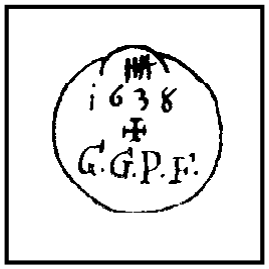


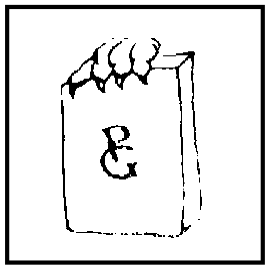

c. 1580
dark blue · faience · Florence, Tuscany, Italy
Production started in 1400 Name tag of Dark-blue mark.

Undated
red · faience · Florence, Tuscany, Italy
Source relates production to around 1400; it does not give a distinct mark-use interval.

Undated
dark blue · faience · Florence, Tuscany, Italy
Source relates production to around 1400; it does not give a distinct mark-use interval.
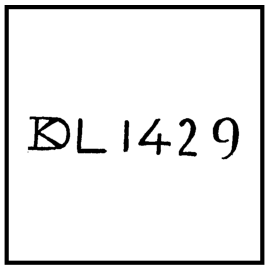
Undated
red · faience · Florence, Tuscany, Italy
Source relates production to around 1400; it does not give a distinct mark-use interval.
The Florence entries describe faience production from around 1400 and Medici porcelain around 1575–1585. The latter was an early attempt to imitate Chinese porcelain, using a hard, glass-like body, white glaze and oriental floral decoration.