
Pottery & porcelain
Furstenberg marks
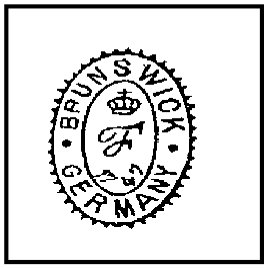
Furstenberg marks are associated with china and porcelain from Germany. Furstenberg marks include “Furstenberg porcelain” dated 1820–1860.
- Country
- Germany
- Products
- china, porcelain, tableware
- Marks
- 25
Dated marks & timeline
25 marks

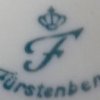

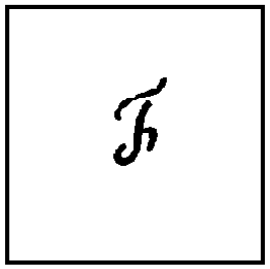
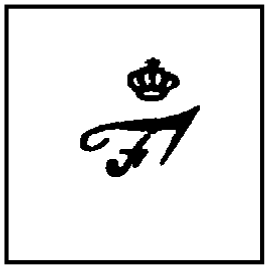
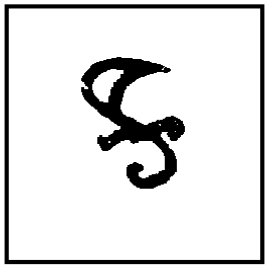
Undated
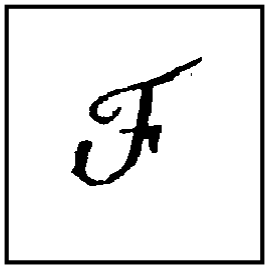
F
dark blue, black, gold · porcelain · Germany
The source caption is factory history and does not give this variant's use dates.
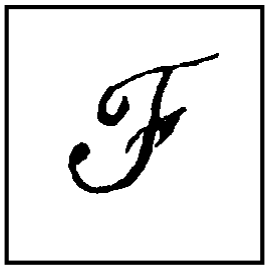
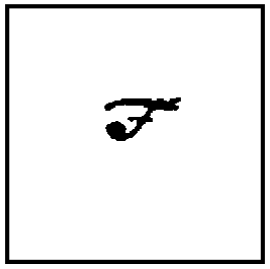
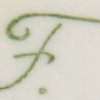
Undated
F
dark blue, black, gold · porcelain · Germany
The source caption is factory history and does not give this variant's use dates.
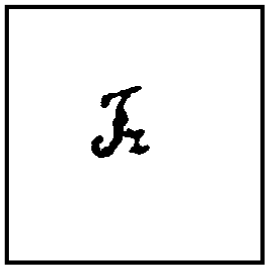
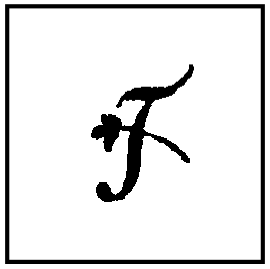
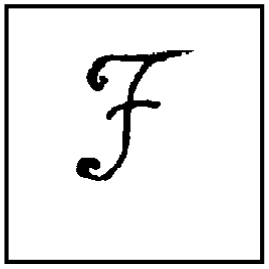
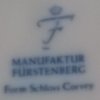
Undated
F
dark blue, black, gold · porcelain · Germany
The source caption is factory history and does not give this variant's use dates.
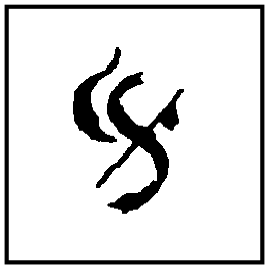
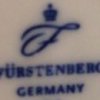
Undated
dark blue, black, gold · porcelain
dark blue, black, gold · porcelain · Germany
The source caption is factory history and does not give this variant's use dates.
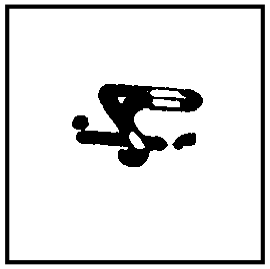
Undated
dark blue, black, gold · porcelain
dark blue, black, gold · porcelain · Germany
The source caption is factory history and does not give this variant's use dates.
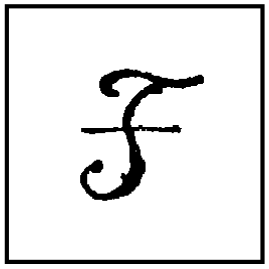
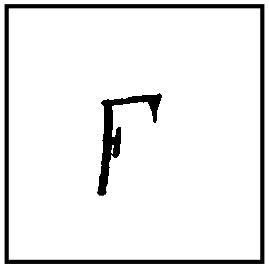
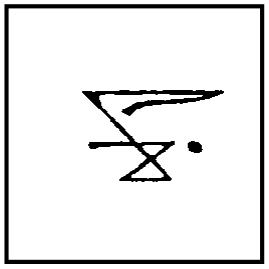
Marks 25–25
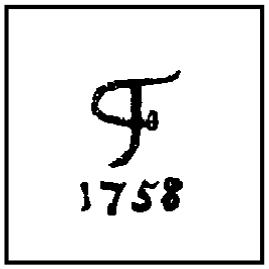
Undated
F 1758
dark blue, black, gold · porcelain · Germany
The source caption gives factory history rather than mark-use dates; 1758 appears in the image wording only.
About Furstenberg
Fürstenberg was established on 11 January 1747 by Johann Georg von Langen for Duke Carl I of Brunswick-Wolfenbüttel. Porcelain production began in 1753, when the duke ordered use of a blue F mark. Early figures imitated Meissen. The 1770–1790 period was especially successful, and neoclassical influences appeared around 1775. During the Napoleonic occupation of 1807–1813 it was the Royal Porcelain Manufactory.
The source describes a private lease in 1859, conversion to a stock company in 1888 and formation of a GmbH in 1966. Duke Charles I of Braunschweig founded Fürstenberg in 1747, with porcelain production beginning in 1753. Specialists from Höchst helped develop the works. Government administration began in 1859, private ownership resumed in 1876, and a joint-stock company was formed in 1888.
The factory made Rococo tableware, vases and figures, later adopting Empire forms and decoration. Duke Charles I of Braunschweig founded the Fürstenberg factory in 1747; porcelain production began in 1753. It employed specialists from other factories and made Rococo tableware, vases and figures. The Frenchman Gerverau led it from 1795, introducing Empire forms and decoration. A joint-stock company was formed in 1888.