
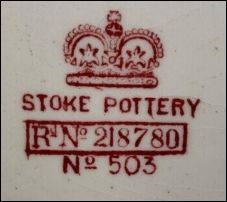
1893
Stoke Pottery
Pattern 218780 was registered to predecessor J. Plant & Co. on 21 September 1893; this is a registration date.
Hanley, England
The source identifies this as a predecessor J. Plant & Co. mark.
Pottery & porcelain
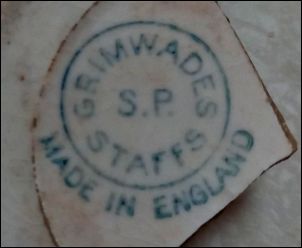
The name “Upper Hanley Pottery Grimwades Staffordshire England” appears among Grimwades pottery marks from Hanley, England.
1893
Pattern 218780 was registered to predecessor J. Plant & Co. on 21 September 1893; this is a registration date.
Hanley, England
The source identifies this as a predecessor J. Plant & Co. mark.
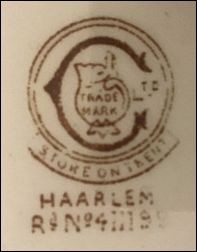
c. 1900–1906
Style probably used around 1900–1906; registration number 411199 dates the Haarlem pattern registration to 1903.
Hanley, England
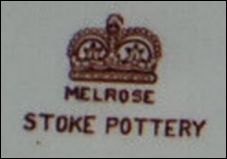
c. From 1900
Hanley, England
Melrose is the pattern name; used briefly after Grimwades took over James Plant's in .
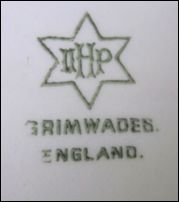
c. 1906–1911
Hanley, England
Used while Grimwades operated Upper Hanley Pottery at Brownfield Works.
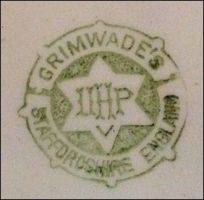
c. 1906–1911
Hanley, England
Grimwades took over the Upper Hanley Pottery business at Brownfield Works and continued there until approximately .
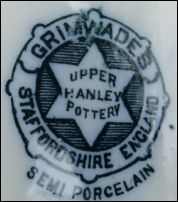
c. 1906–1911
Hanley, England
Used while Grimwades operated the former Upper Hanley Pottery at Brownfield Works.
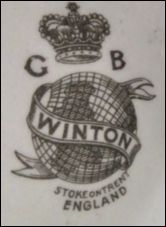
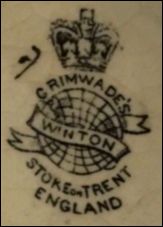
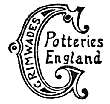
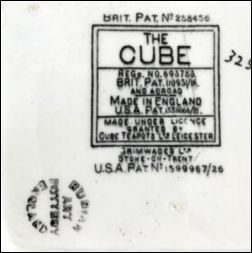
1917
white · Hanley, England
The Cube teapot was patented by Robert Crawford Johnson in ; Grimwades produced it in several patterns.
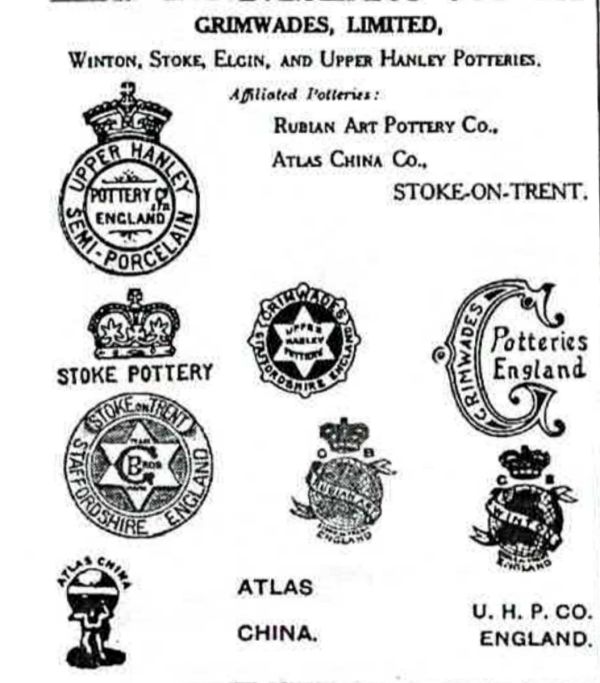
1917
Composite mark table published in the 1917 Pottery Gazette Reference Book.
Hanley, England

c. From 1930
Hanley, England
One of the simple marks introduced , suitable for application with a rubber stamp.

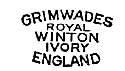

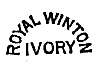
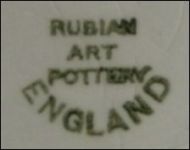
c. From 1930
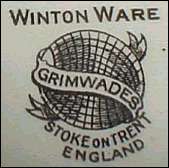
Hanley, England
Simple mark introduced , suitable for application with a rubber stamp.


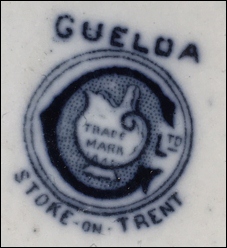
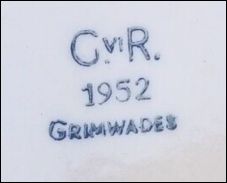
Undated
The illustrated Cube coffee pot bears 1952 and George VI's cipher; it was made for the British Forces.
white · Hanley, England
The 1917 patent date concerns the Cube design, not use of this mark.
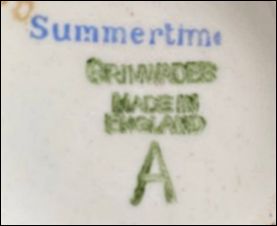
Undated
The A likely indicates Second World War Concentration Scheme production, probably for export.
Hanley, England
Summertime is the pattern name.
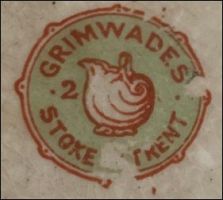

Undated
Hanley, England
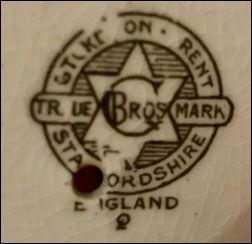
Trade mark with maker and Stoke-on-Trent wording.
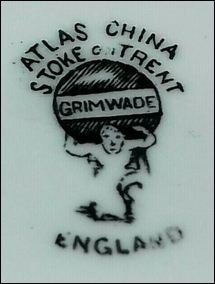
Undated
Hanley, England
The singular Grimwade name is associated with the earlier Grimwade Brothers business.

Undated
Hanley, England
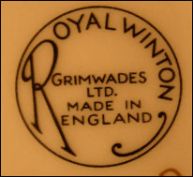
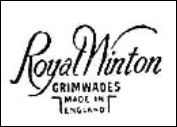
Grimwades used many short-lived marks. Month/year codes date individual objects; Royal Winton became a recognizable trade name around 1929.
Undated
Hanley, England
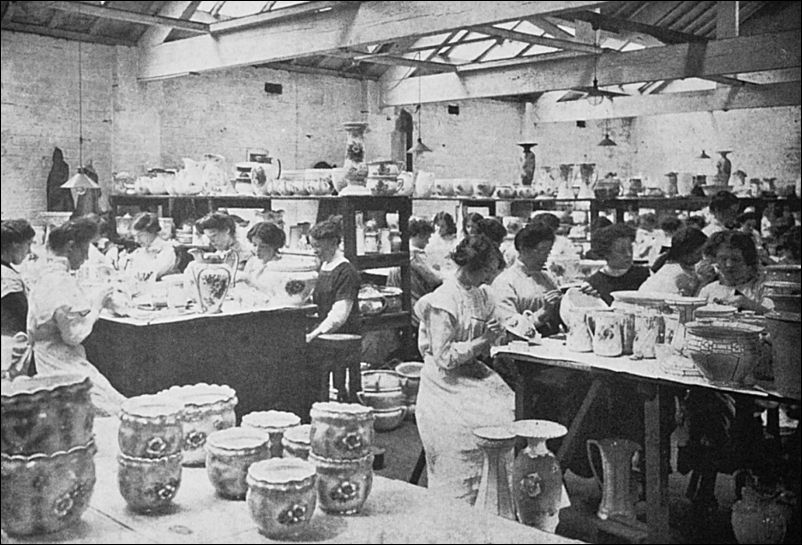
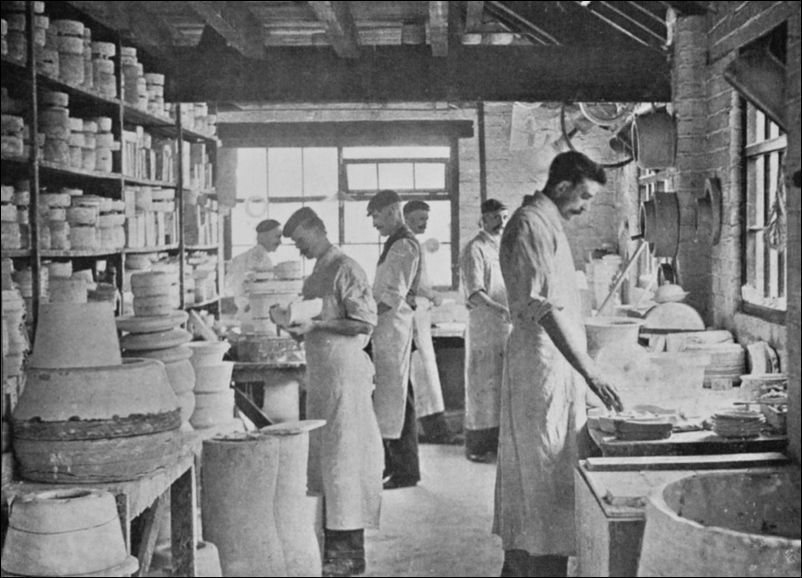
Workshop photograph captioned as gilding and enamelling Royal Winton ware.
Undated
Hanley, England
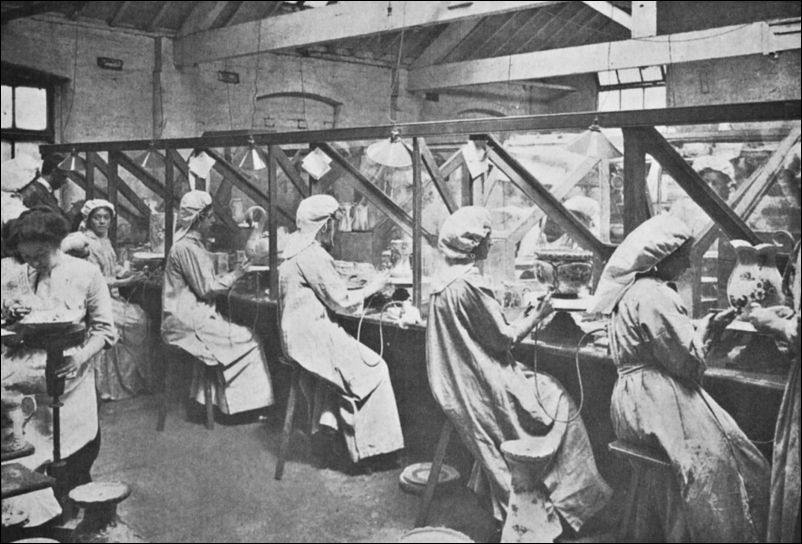
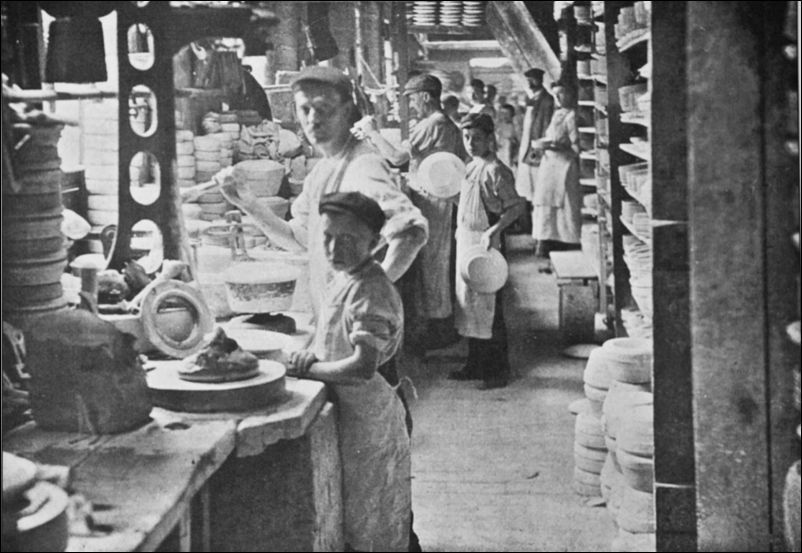
Plate making at Stoke Pottery; the supplied image is a workshop photograph.
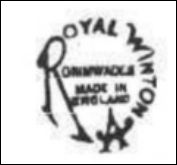
Undated
The added letter A identifies ware made under the Second World War Wartime Concentration Scheme.
Hanley, England
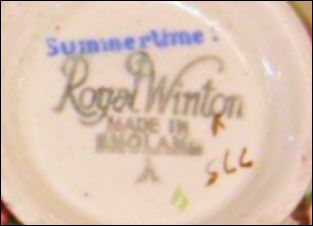
Undated
The A likely indicates Second World War Concentration Scheme production, probably for export.
Hanley, England
Summertime is the pattern name.
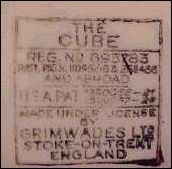
Undated
The Cube teapot was patented by Robert Crawford Johnson in 1917; this does not define the period of Grimwades’ license mark.
white · Hanley, England
Designed for stacking and resistance to dripping and chipping. Grimwades made The Cube in numerous patterns and produced matching coffee pots, milk jugs and sugar bowls.
Undated
Hanley, England
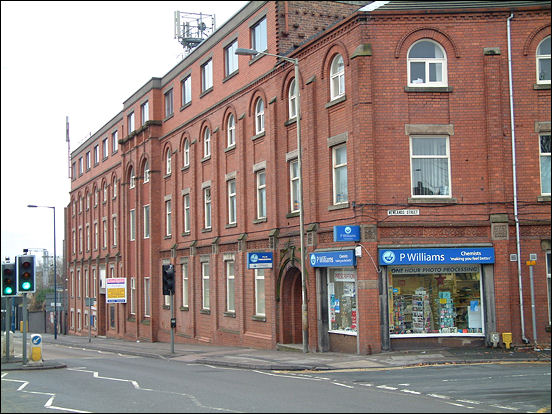
building; circa 1886 is a works-establishment date, and 1800–1900 belongs to the cited book title.
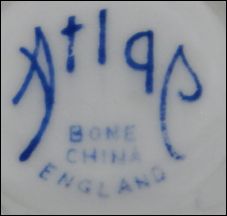
Grimwade Bros incorporated as Grimwades Ltd. in 1900. The company acquired Stoke Pottery, Upper Hanley, Rubian Art, Heron Cross and Atlas China, expanding its tableware, decorative and utility ranges. Royal Winton became a recognizable trade name around 1929, and chintz patterns including Marguerite and Summertime became prominent. Leonard Grimwade died in 1931; James Plant Jr. became managing director in 1933.
The Howard Pottery Group acquired the company in 1964 and traded as Royal Winton. New ownership restored the Grimwades Ltd. name in 1995 while continuing Royal Winton and reintroducing chintz collector pieces. Grimwade Bros became Grimwades Ltd in 1900 and expanded from Winton Pottery by acquiring other businesses. Winton Ware and Royal Winton became well-known ranges, including floral chintz and Art Deco designs. The Howard Pottery Group acquired the company in 1964.
A later owner restored the Grimwades Ltd name in 1995 while continuing to trade as Royal Winton. Grimwade Bros became Grimwades Ltd in 1900 and expanded by acquiring other potteries. Winton Ware became a leading range, followed by Royal Winton chintz patterns. The Howard Pottery Group acquired the business in 1964. A new owner restored the Grimwades Ltd name in 1995 while continuing to trade as Royal Winton.
Also known as: Royal Winton · Grimwades Ltd (trading as Royal Winton)