About Hans Coper
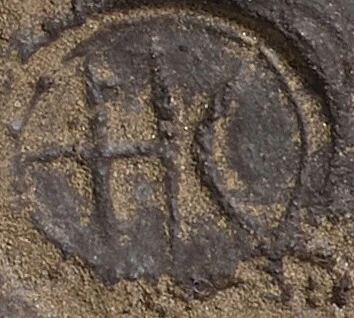
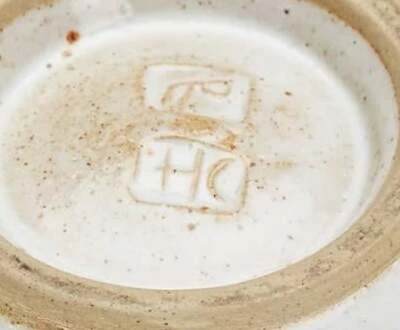
Hans Coper was born in Chemnitz, Germany, in 1920 and came to Britain in 1939. After wartime internment and service in the Pioneer Corps, he began working in Lucie Rie’s London studio in 1946. He initially assisted with ceramic buttons and practical tableware, learning to throw and developing his own vessels. Pieces made in the shared Albion Mews workshop can bear both potters’ seals.
Coper established an independent studio at Digswell in Hertfordshire at the end of the 1950s. His work developed around composite forms assembled from separately thrown parts. Slips, engobes and manganese created dark and pale surfaces that were worked by scratching, rubbing and sanding. Although the vessels became increasingly sculptural, he continued to regard them as pots. A 1962 commission for Coventry Cathedral included monumental candlesticks.
He taught at Camberwell School of Art and the Royal College of Art, influencing younger studio potters through close attention to individual work. In 1967 he moved to Frome, Somerset. Illness restricted his later production, which included small pedestal and Cycladic forms. Coper died in 1981. A retrospective opened at the Sainsbury Centre in 1983 and travelled to European museums and London.