
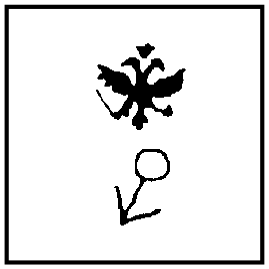
c. 1750–1769
porcelain
porcelain · Saint Petersburg, Russia
Internal-use mark; some marks in this group were impressed into the paste.
Pottery & porcelain
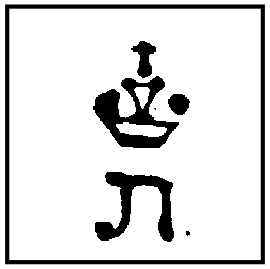
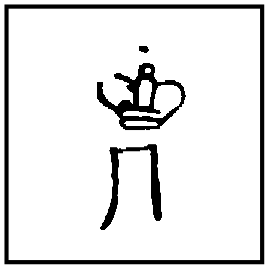
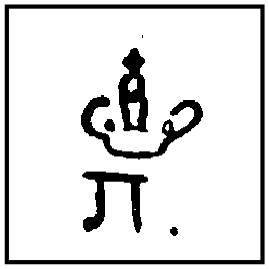
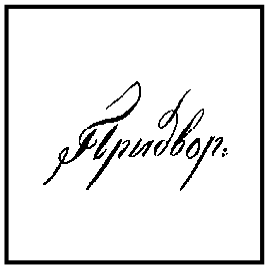
The name “Придвор.” appears among Lomonosov china marks on porcelain from Saint Petersburg, Russia. Its mark period is 1762–1796.
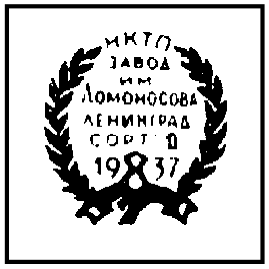
Lomonosov name period, 1925–2005. Factory established in 1744; continued after 2005 under its restored Imperial name. Not a factory closure in 2005.
c. 1750–1769
porcelain · Saint Petersburg, Russia
Internal-use mark; some marks in this group were impressed into the paste.

c. 1750–1769
porcelain · Saint Petersburg, Russia
Internal-use mark; some marks in this group were impressed into the paste.
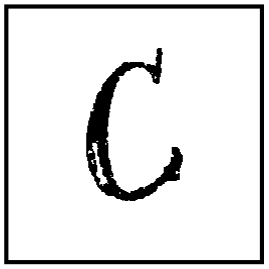
c. 1750–1769
porcelain · Saint Petersburg, Russia
Internal-use mark; some marks in this group were impressed into the paste.
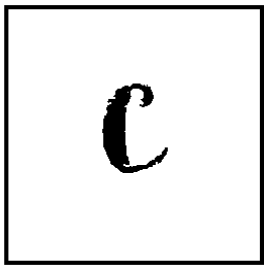
c. 1750–1769
porcelain · Saint Petersburg, Russia
Internal-use mark; some marks in this group were impressed into the paste.
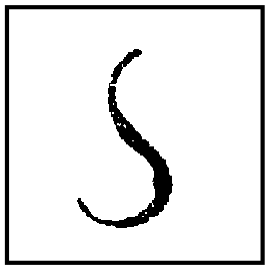
c. 1750–1769
porcelain · Saint Petersburg, Russia
Internal-use mark; some marks in this group were impressed into the paste.
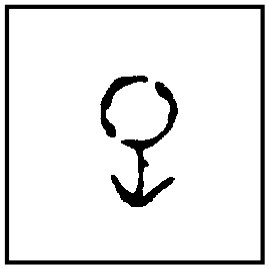
c. 1750–1769
porcelain · Saint Petersburg, Russia
Internal-use mark; some marks in this group were impressed into the paste.
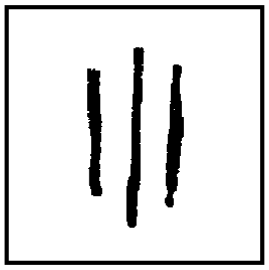
c. 1750–1769
porcelain · Saint Petersburg, Russia
Internal-use mark; some marks in this group were impressed into the paste.
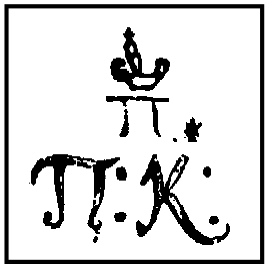
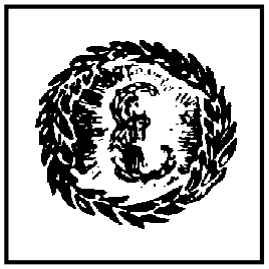
1762–1796
underglaze, overglaze · dark blue or gold · porcelain
Catherine II period: dark blue underglaze or gold overglaze. French-made examples can bear an additional Sèvres mark.
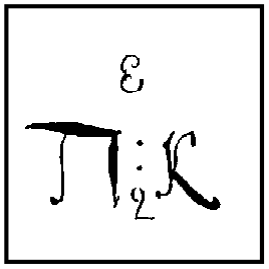
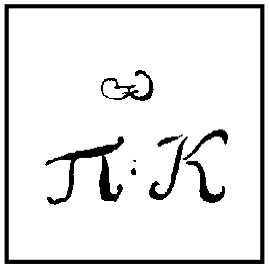
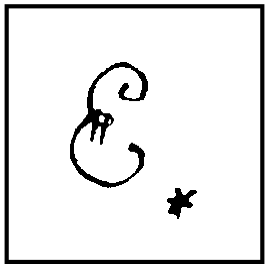
1762–1796
underglaze, overglaze · dark blue or gold · porcelain · Saint Petersburg, Russia
Catherine II period: dark blue underglaze or gold overglaze. French-made examples can bear an additional Sèvres mark.
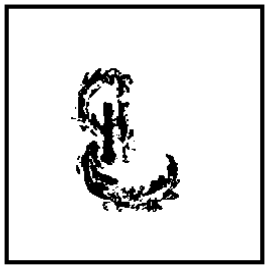
1762–1796
underglaze, overglaze · dark blue or gold · porcelain · Saint Petersburg, Russia
Catherine II period: dark blue underglaze or gold overglaze. French-made examples can bear an additional Sèvres mark.
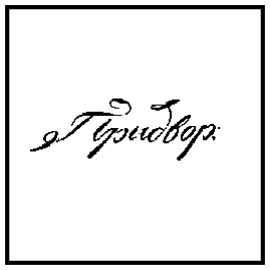
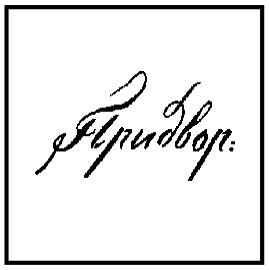
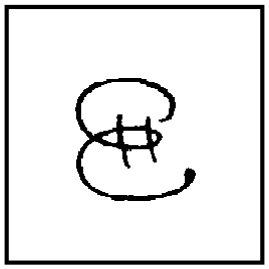
1762–1796
underglaze, overglaze · dark blue or gold · porcelain · Saint Petersburg, Russia
Catherine II period: dark blue underglaze or gold overglaze. French-made examples can bear an additional Sèvres mark.
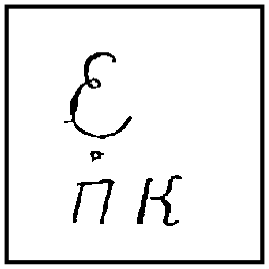
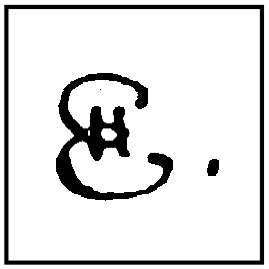
1762–1796
underglaze, overglaze · dark blue or gold · porcelain · Saint Petersburg, Russia
Catherine II period: dark blue underglaze or gold overglaze. French-made examples can bear an additional Sèvres mark.
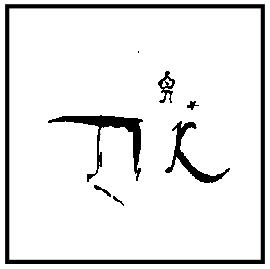
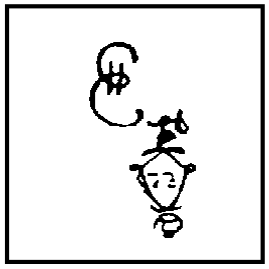
1762–1796
underglaze, overglaze · dark blue or gold · porcelain · Saint Petersburg, Russia
Catherine II period: dark blue underglaze or gold overglaze. French-made examples can bear an additional Sèvres mark.
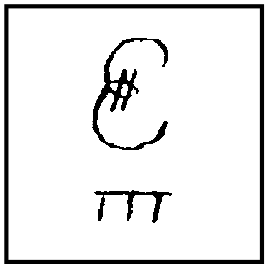
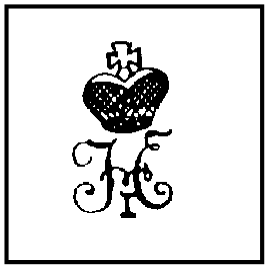
1762–1796
underglaze, overglaze · dark blue or gold · porcelain · Saint Petersburg, Russia
Catherine II period: dark blue underglaze or gold overglaze. French-made examples can bear an additional Sèvres mark.

1825–1855
painted, overglaze, underglaze · porcelain
Nicholas I period; hand-applied overglaze or template-applied underglaze marks.
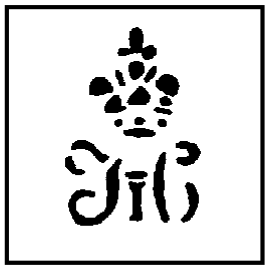
1825–1855
painted, overglaze, underglaze · porcelain · Saint Petersburg, Russia
Nicholas I period; hand-applied overglaze or template-applied underglaze marks.
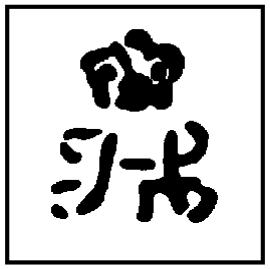
1825–1855
painted, overglaze, underglaze · porcelain · Saint Petersburg, Russia
Nicholas I period; hand-applied overglaze or template-applied underglaze marks.
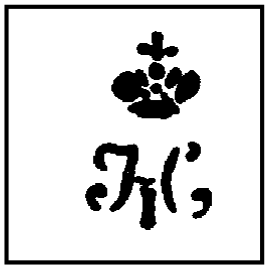
1825–1855
painted, overglaze, underglaze · porcelain · Saint Petersburg, Russia
Nicholas I period; hand-applied overglaze or template-applied underglaze marks.
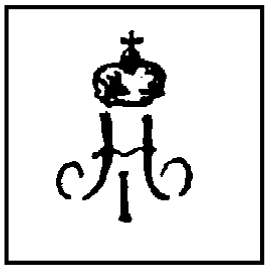
1825–1855
painted, overglaze, underglaze · porcelain · Saint Petersburg, Russia
Nicholas I period; hand-applied overglaze or template-applied underglaze marks.
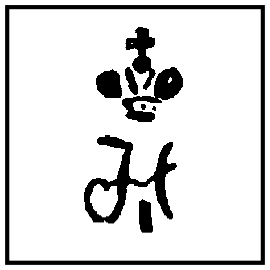
1825–1855
painted, overglaze, underglaze · porcelain · Saint Petersburg, Russia
Nicholas I period; hand-applied overglaze or template-applied underglaze marks.
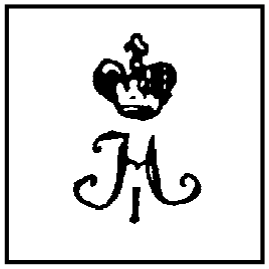
1825–1855
painted, overglaze, underglaze · porcelain · Saint Petersburg, Russia
Nicholas I period; hand-applied overglaze or template-applied underglaze marks.
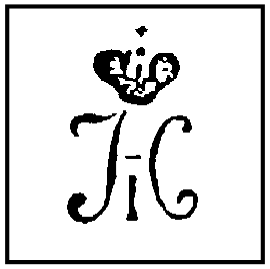
1825–1855
painted, overglaze, underglaze · porcelain · Saint Petersburg, Russia
Nicholas I period; hand-applied overglaze or template-applied underglaze marks.
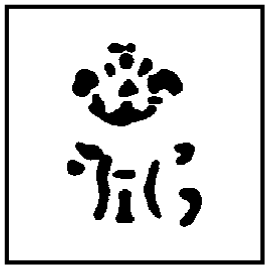
1825–1855
painted, overglaze, underglaze · porcelain · Saint Petersburg, Russia
Nicholas I period; hand-applied overglaze or template-applied underglaze marks.
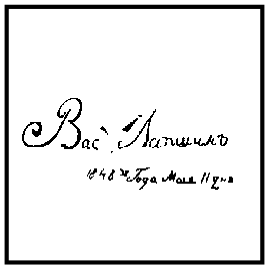
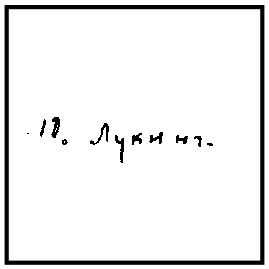
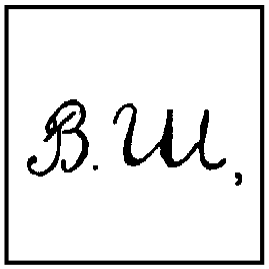
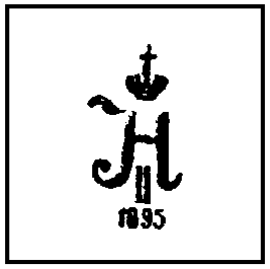
1894–1917
painted, overglaze, underglaze · gold or green · porcelain · Saint Petersburg, Russia
Nicholas II period: gold hand-applied overglaze or green template-applied underglaze.
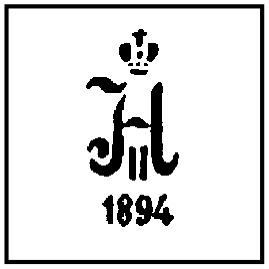
1894–1917
painted, overglaze, underglaze · gold or green · porcelain · Saint Petersburg, Russia
Nicholas II period: gold hand-applied overglaze or green template-applied underglaze.

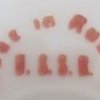

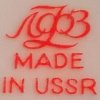
1936–1992
This logo was used from 1936 to 1992; this particular piece dates to the 1970s.
red · porcelain
A. A. Yazkevitch designed the logo. Red denotes first quality. This example reads MADE IN USSR; later export pieces can read Made in Russia.


c. 1940–1959
Dated to the end of the 1940s and beginning of the 1950s.
porcelain
End of 1940s, beggining of 1950s Lomonosov mark.
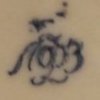
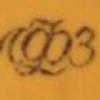
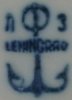

1970–1989
blue · porcelain
Second quality. The writing above the monogram identifies a drawing-complexity group above the fifteenth.

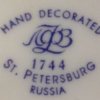
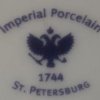
From 2006
This mark was used from 2006; 1744 is part of the wording.
porcelain · Saint Petersburg
Imperial Petersburg mark used .

Undated
porcelain · Saint Petersburg, Russia
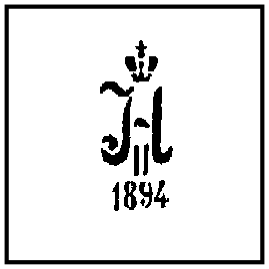
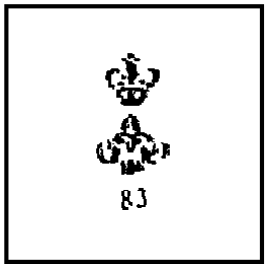
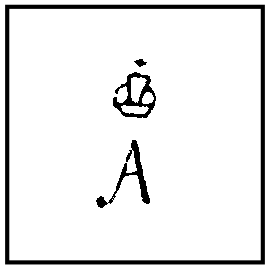
Near the city of Saint Petersburg The plant was opened at the behest of the Empress Elizabeth Petrovna in 1744 near Petersburg. The organizer of the production and the first craftsman was Dmitriy Ivanovich Vinogradov. Since the beginning of the ’s the first successful works were small objects, such as snuff boxes, cups, bottles, buttons, brooches inserts, pipes, handles for knives and forks. they began production of larger things (dishes, sets, vases, sculptures). till 1758 Vinogradov put on some products his own name tag in the form of the letter «W». A brand with the coat of arms of Saint Petersburg is also found: the two anchors and a crown over them. Sometimes they put a mark of Court Office «Ï.Ê.», which subsidized the plant. Later the brands were in the form of monograms and the crown of emperors. Brands of are usually green or gold underglaze. After the revolution the plant was nationalized and named State plant (ÃÔÇ). Brands ÃÔÇ were put with green and dark-blue colours under the glaze or by hand on the glaze. In 1936 plant was named after Lomonosov (ËÔÇ). Such brands are often overglaze made with the stamp or by hand of all colours. -1769 Eagle is in the paste or with dye. Monogram of Catherine II and the mark of Court Office.
Undated
porcelain · Saint Petersburg, Russia
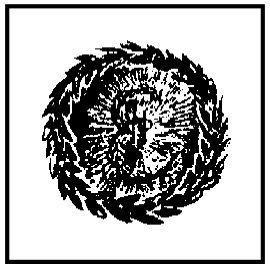
Near the city of Saint Petersburg The plant was opened at the behest of the Empress Elizabeth Petrovna in 1744 near Petersburg. The organizer of the production and the first craftsman was Dmitriy Ivanovich Vinogradov. Since the beginning of the ’s the first successful works were small objects, such as snuff boxes, cups, bottles, buttons, brooches inserts, pipes, handles for knives and forks. they began production of larger things (dishes, sets, vases, sculptures). till 1758 Vinogradov put on some products his own name tag in the form of the letter «W». A brand with the coat of arms of Saint Petersburg is also found: the two anchors and a crown over them. Sometimes they put a mark of Court Office «Ï.Ê.», which subsidized the plant. Later the brands were in the form of monograms and the crown of emperors. Brands of are usually green or gold underglaze. After the revolution the plant was nationalized and named State plant (ÃÔÇ). Brands ÃÔÇ were put with green and dark-blue colours under the glaze or by hand on the glaze. In 1936 plant was named after Lomonosov (ËÔÇ). Such brands are often overglaze made with the stamp or by hand of all colours. -1769 Eagle is in the paste or with dye. Monogram of Catherine II and the mark of Court Office.
Undated
porcelain · Saint Petersburg, Russia
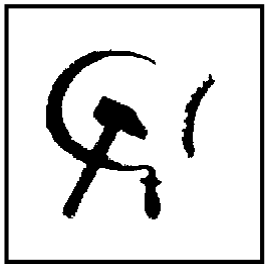
Near the city of Saint Petersburg The plant was opened at the behest of the Empress Elizabeth Petrovna in 1744 near Petersburg. The organizer of the production and the first craftsman was Dmitriy Ivanovich Vinogradov. Since the beginning of the ’s the first successful works were small objects, such as snuff boxes, cups, bottles, buttons, brooches inserts, pipes, handles for knives and forks. they began production of larger things (dishes, sets, vases, sculptures). till 1758 Vinogradov put on some products his own name tag in the form of the letter «W». A brand with the coat of arms of Saint Petersburg is also found: the two anchors and a crown over them. Sometimes they put a mark of Court Office «Ï.Ê.», which subsidized the plant. Later the brands were in the form of monograms and the crown of emperors. Brands of are usually green or gold underglaze. After the revolution the plant was nationalized and named State plant (ÃÔÇ). Brands ÃÔÇ were put with green and dark-blue colours under the glaze or by hand on the glaze. In 1936 plant was named after Lomonosov (ËÔÇ). Such brands are often overglaze made with the stamp or by hand of all colours. -1769 Eagle is in the paste or with dye. Monogram of Catherine II and the mark of Court Office.
Undated
porcelain · Saint Petersburg, Russia
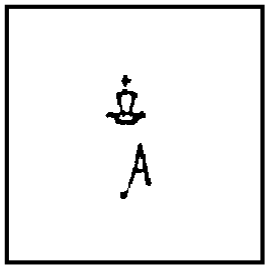
Near the city of Saint Petersburg The plant was opened at the behest of the Empress Elizabeth Petrovna in 1744 near Petersburg. The organizer of the production and the first craftsman was Dmitriy Ivanovich Vinogradov. Since the beginning of the ’s the first successful works were small objects, such as snuff boxes, cups, bottles, buttons, brooches inserts, pipes, handles for knives and forks. they began production of larger things (dishes, sets, vases, sculptures). till 1758 Vinogradov put on some products his own name tag in the form of the letter «W». A brand with the coat of arms of Saint Petersburg is also found: the two anchors and a crown over them. Sometimes they put a mark of Court Office «Ï.Ê.», which subsidized the plant. Later the brands were in the form of monograms and the crown of emperors. Brands of are usually green or gold underglaze. After the revolution the plant was nationalized and named State plant (ÃÔÇ). Brands ÃÔÇ were put with green and dark-blue colours under the glaze or by hand on the glaze. In 1936 plant was named after Lomonosov (ËÔÇ). Such brands are often overglaze made with the stamp or by hand of all colours. -1769 Eagle is in the paste or with dye. Monogram of Catherine II and the mark of Court Office.
Undated
porcelain · Saint Petersburg, Russia
Near the city of Saint Petersburg The plant was opened at the behest of the Empress Elizabeth Petrovna in 1744 near Petersburg. The organizer of the production and the first craftsman was Dmitriy Ivanovich Vinogradov. Since the beginning of the ’s the first successful works were small objects, such as snuff boxes, cups, bottles, buttons, brooches inserts, pipes, handles for knives and forks. they began production of larger things (dishes, sets, vases, sculptures). till 1758 Vinogradov put on some products his own name tag in the form of the letter «W». A brand with the coat of arms of Saint Petersburg is also found: the two anchors and a crown over them. Sometimes they put a mark of Court Office «Ï.Ê.», which subsidized the plant. Later the brands were in the form of monograms and the crown of emperors. Brands of are usually green or gold underglaze. After the revolution the plant was nationalized and named State plant (ÃÔÇ). Brands ÃÔÇ were put with green and dark-blue colours under the glaze or by hand on the glaze. In 1936 plant was named after Lomonosov (ËÔÇ). Such brands are often overglaze made with the stamp or by hand of all colours. -1769 Eagle is in the paste or with dye. Monogram of Catherine II and the mark of Court Office.
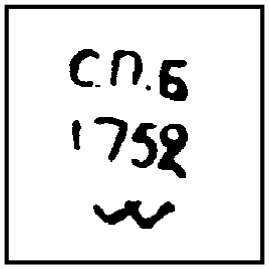
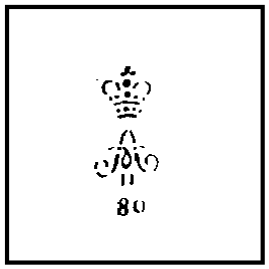
Undated
porcelain · Saint Petersburg, Russia
Near the city of Saint Petersburg The plant was opened at the behest of the Empress Elizabeth Petrovna in 1744 near Petersburg. The organizer of the production and the first craftsman was Dmitriy Ivanovich Vinogradov. Since the beginning of the ’s the first successful works were small objects, such as snuff boxes, cups, bottles, buttons, brooches inserts, pipes, handles for knives and forks. they began production of larger things (dishes, sets, vases, sculptures). till 1758 Vinogradov put on some products his own name tag in the form of the letter «W». A brand with the coat of arms of Saint Petersburg is also found: the two anchors and a crown over them. Sometimes they put a mark of Court Office «Ï.Ê.», which subsidized the plant. Later the brands were in the form of monograms and the crown of emperors. Brands of are usually green or gold underglaze. After the revolution the plant was nationalized and named State plant (ÃÔÇ). Brands ÃÔÇ were put with green and dark-blue colours under the glaze or by hand on the glaze. In 1936 plant was named after Lomonosov (ËÔÇ). Such brands are often overglaze made with the stamp or by hand of all colours. -1769 Eagle is in the paste or with dye. Monogram of Catherine II and the mark of Court Office.
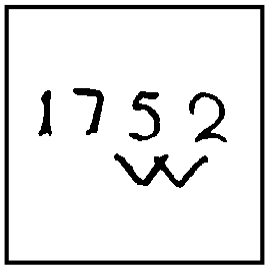
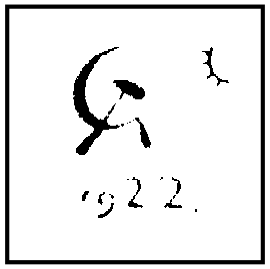
Undated
porcelain · Saint Petersburg, Russia
Near the city of Saint Petersburg The plant was opened at the behest of the Empress Elizabeth Petrovna in 1744 near Petersburg. The organizer of the production and the first craftsman was Dmitriy Ivanovich Vinogradov. Since the beginning of the ’s the first successful works were small objects, such as snuff boxes, cups, bottles, buttons, brooches inserts, pipes, handles for knives and forks. they began production of larger things (dishes, sets, vases, sculptures). till 1758 Vinogradov put on some products his own name tag in the form of the letter «W». A brand with the coat of arms of Saint Petersburg is also found: the two anchors and a crown over them. Sometimes they put a mark of Court Office «Ï.Ê.», which subsidized the plant. Later the brands were in the form of monograms and the crown of emperors. Brands of are usually green or gold underglaze. After the revolution the plant was nationalized and named State plant (ÃÔÇ). Brands ÃÔÇ were put with green and dark-blue colours under the glaze or by hand on the glaze. In 1936 plant was named after Lomonosov (ËÔÇ). Such brands are often overglaze made with the stamp or by hand of all colours. -1769 Eagle is in the paste or with dye. Monogram of Catherine II and the mark of Court Office.
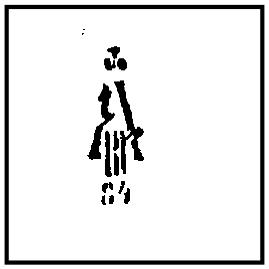
Undated
porcelain · Saint Petersburg, Russia
Near the city of Saint Petersburg The plant was opened at the behest of the Empress Elizabeth Petrovna in 1744 near Petersburg. The organizer of the production and the first craftsman was Dmitriy Ivanovich Vinogradov. Since the beginning of the ’s the first successful works were small objects, such as snuff boxes, cups, bottles, buttons, brooches inserts, pipes, handles for knives and forks. they began production of larger things (dishes, sets, vases, sculptures). till 1758 Vinogradov put on some products his own name tag in the form of the letter «W». A brand with the coat of arms of Saint Petersburg is also found: the two anchors and a crown over them. Sometimes they put a mark of Court Office «Ï.Ê.», which subsidized the plant. Later the brands were in the form of monograms and the crown of emperors. Brands of are usually green or gold underglaze. After the revolution the plant was nationalized and named State plant (ÃÔÇ). Brands ÃÔÇ were put with green and dark-blue colours under the glaze or by hand on the glaze. In 1936 plant was named after Lomonosov (ËÔÇ). Such brands are often overglaze made with the stamp or by hand of all colours. -1769 Eagle is in the paste or with dye. Monogram of Catherine II and the mark of Court Office.
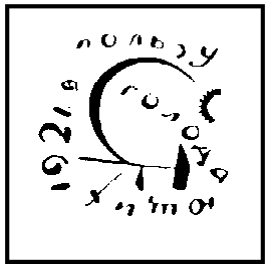
Undated
porcelain · Saint Petersburg, Russia
Near the city of Saint Petersburg The plant was opened at the behest of the Empress Elizabeth Petrovna in 1744 near Petersburg. The organizer of the production and the first craftsman was Dmitriy Ivanovich Vinogradov. Since the beginning of the ’s the first successful works were small objects, such as snuff boxes, cups, bottles, buttons, brooches inserts, pipes, handles for knives and forks. they began production of larger things (dishes, sets, vases, sculptures). till 1758 Vinogradov put on some products his own name tag in the form of the letter «W». A brand with the coat of arms of Saint Petersburg is also found: the two anchors and a crown over them. Sometimes they put a mark of Court Office «Ï.Ê.», which subsidized the plant. Later the brands were in the form of monograms and the crown of emperors. Brands of are usually green or gold underglaze. After the revolution the plant was nationalized and named State plant (ÃÔÇ). Brands ÃÔÇ were put with green and dark-blue colours under the glaze or by hand on the glaze. In 1936 plant was named after Lomonosov (ËÔÇ). Such brands are often overglaze made with the stamp or by hand of all colours. -1769 Eagle is in the paste or with dye. Monogram of Catherine II and the mark of Court Office.
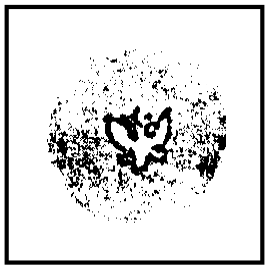
Undated
porcelain · Saint Petersburg, Russia
Near the city of Saint Petersburg The plant was opened at the behest of the Empress Elizabeth Petrovna in 1744 near Petersburg. The organizer of the production and the first craftsman was Dmitriy Ivanovich Vinogradov. Since the beginning of the ’s the first successful works were small objects, such as snuff boxes, cups, bottles, buttons, brooches inserts, pipes, handles for knives and forks. they began production of larger things (dishes, sets, vases, sculptures). till 1758 Vinogradov put on some products his own name tag in the form of the letter «W». A brand with the coat of arms of Saint Petersburg is also found: the two anchors and a crown over them. Sometimes they put a mark of Court Office «Ï.Ê.», which subsidized the plant. Later the brands were in the form of monograms and the crown of emperors. Brands of are usually green or gold underglaze. After the revolution the plant was nationalized and named State plant (ÃÔÇ). Brands ÃÔÇ were put with green and dark-blue colours under the glaze or by hand on the glaze. In 1936 plant was named after Lomonosov (ËÔÇ). Such brands are often overglaze made with the stamp or by hand of all colours. -1769 Eagle is in the paste or with dye. Monogram of Catherine II and the mark of Court Office.
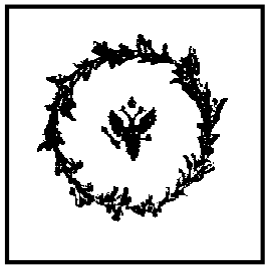
Undated
porcelain · Saint Petersburg, Russia
Near the city of Saint Petersburg The plant was opened at the behest of the Empress Elizabeth Petrovna in 1744 near Petersburg. The organizer of the production and the first craftsman was Dmitriy Ivanovich Vinogradov. Since the beginning of the ’s the first successful works were small objects, such as snuff boxes, cups, bottles, buttons, brooches inserts, pipes, handles for knives and forks. they began production of larger things (dishes, sets, vases, sculptures). till 1758 Vinogradov put on some products his own name tag in the form of the letter «W». A brand with the coat of arms of Saint Petersburg is also found: the two anchors and a crown over them. Sometimes they put a mark of Court Office «Ï.Ê.», which subsidized the plant. Later the brands were in the form of monograms and the crown of emperors. Brands of are usually green or gold underglaze. After the revolution the plant was nationalized and named State plant (ÃÔÇ). Brands ÃÔÇ were put with green and dark-blue colours under the glaze or by hand on the glaze. In 1936 plant was named after Lomonosov (ËÔÇ). Such brands are often overglaze made with the stamp or by hand of all colours. -1769 Eagle is in the paste or with dye. Monogram of Catherine II and the mark of Court Office.
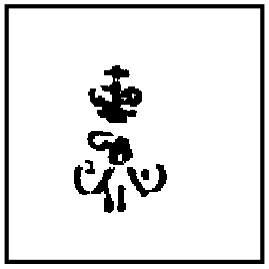
Undated
porcelain · Saint Petersburg, Russia
Near the city of Saint Petersburg The plant was opened at the behest of the Empress Elizabeth Petrovna in 1744 near Petersburg. The organizer of the production and the first craftsman was Dmitriy Ivanovich Vinogradov. Since the beginning of the ’s the first successful works were small objects, such as snuff boxes, cups, bottles, buttons, brooches inserts, pipes, handles for knives and forks. they began production of larger things (dishes, sets, vases, sculptures). till 1758 Vinogradov put on some products his own name tag in the form of the letter «W». A brand with the coat of arms of Saint Petersburg is also found: the two anchors and a crown over them. Sometimes they put a mark of Court Office «Ï.Ê.», which subsidized the plant. Later the brands were in the form of monograms and the crown of emperors. Brands of are usually green or gold underglaze. After the revolution the plant was nationalized and named State plant (ÃÔÇ). Brands ÃÔÇ were put with green and dark-blue colours under the glaze or by hand on the glaze. In 1936 plant was named after Lomonosov (ËÔÇ). Such brands are often overglaze made with the stamp or by hand of all colours. -1769 Eagle is in the paste or with dye. Monogram of Catherine II and the mark of Court Office.
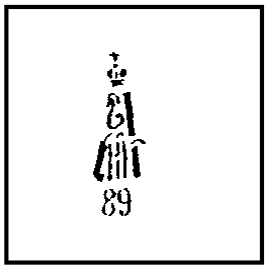
Undated
porcelain · Saint Petersburg, Russia
Near the city of Saint Petersburg The plant was opened at the behest of the Empress Elizabeth Petrovna in 1744 near Petersburg. The organizer of the production and the first craftsman was Dmitriy Ivanovich Vinogradov. Since the beginning of the ’s the first successful works were small objects, such as snuff boxes, cups, bottles, buttons, brooches inserts, pipes, handles for knives and forks. they began production of larger things (dishes, sets, vases, sculptures). till 1758 Vinogradov put on some products his own name tag in the form of the letter «W». A brand with the coat of arms of Saint Petersburg is also found: the two anchors and a crown over them. Sometimes they put a mark of Court Office «Ï.Ê.», which subsidized the plant. Later the brands were in the form of monograms and the crown of emperors. Brands of are usually green or gold underglaze. After the revolution the plant was nationalized and named State plant (ÃÔÇ). Brands ÃÔÇ were put with green and dark-blue colours under the glaze or by hand on the glaze. In 1936 plant was named after Lomonosov (ËÔÇ). Such brands are often overglaze made with the stamp or by hand of all colours. -1769 Eagle is in the paste or with dye. Monogram of Catherine II and the mark of Court Office.
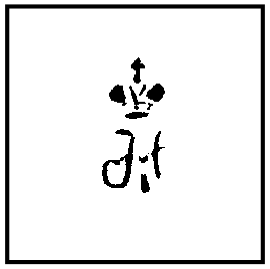
Undated
porcelain · Saint Petersburg, Russia
Near the city of Saint Petersburg The plant was opened at the behest of the Empress Elizabeth Petrovna in 1744 near Petersburg. The organizer of the production and the first craftsman was Dmitriy Ivanovich Vinogradov. Since the beginning of the ’s the first successful works were small objects, such as snuff boxes, cups, bottles, buttons, brooches inserts, pipes, handles for knives and forks. they began production of larger things (dishes, sets, vases, sculptures). till 1758 Vinogradov put on some products his own name tag in the form of the letter «W». A brand with the coat of arms of Saint Petersburg is also found: the two anchors and a crown over them. Sometimes they put a mark of Court Office «Ï.Ê.», which subsidized the plant. Later the brands were in the form of monograms and the crown of emperors. Brands of are usually green or gold underglaze. After the revolution the plant was nationalized and named State plant (ÃÔÇ). Brands ÃÔÇ were put with green and dark-blue colours under the glaze or by hand on the glaze. In 1936 plant was named after Lomonosov (ËÔÇ). Such brands are often overglaze made with the stamp or by hand of all colours. -1769 Eagle is in the paste or with dye. Monogram of Catherine II and the mark of Court Office.
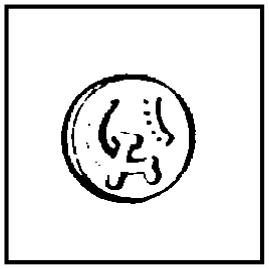
Undated
porcelain · Saint Petersburg, Russia
Near the city of Saint Petersburg The plant was opened at the behest of the Empress Elizabeth Petrovna in 1744 near Petersburg. The organizer of the production and the first craftsman was Dmitriy Ivanovich Vinogradov. Since the beginning of the ’s the first successful works were small objects, such as snuff boxes, cups, bottles, buttons, brooches inserts, pipes, handles for knives and forks. they began production of larger things (dishes, sets, vases, sculptures). till 1758 Vinogradov put on some products his own name tag in the form of the letter «W». A brand with the coat of arms of Saint Petersburg is also found: the two anchors and a crown over them. Sometimes they put a mark of Court Office «Ï.Ê.», which subsidized the plant. Later the brands were in the form of monograms and the crown of emperors. Brands of are usually green or gold underglaze. After the revolution the plant was nationalized and named State plant (ÃÔÇ). Brands ÃÔÇ were put with green and dark-blue colours under the glaze or by hand on the glaze. In 1936 plant was named after Lomonosov (ËÔÇ). Such brands are often overglaze made with the stamp or by hand of all colours. -1769 Eagle is in the paste or with dye. Monogram of Catherine II and the mark of Court Office.
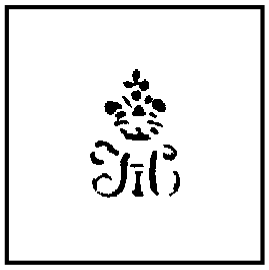
Undated
porcelain · Saint Petersburg, Russia
Near the city of Saint Petersburg The plant was opened at the behest of the Empress Elizabeth Petrovna in 1744 near Petersburg. The organizer of the production and the first craftsman was Dmitriy Ivanovich Vinogradov. Since the beginning of the ’s the first successful works were small objects, such as snuff boxes, cups, bottles, buttons, brooches inserts, pipes, handles for knives and forks. they began production of larger things (dishes, sets, vases, sculptures). till 1758 Vinogradov put on some products his own name tag in the form of the letter «W». A brand with the coat of arms of Saint Petersburg is also found: the two anchors and a crown over them. Sometimes they put a mark of Court Office «Ï.Ê.», which subsidized the plant. Later the brands were in the form of monograms and the crown of emperors. Brands of are usually green or gold underglaze. After the revolution the plant was nationalized and named State plant (ÃÔÇ). Brands ÃÔÇ were put with green and dark-blue colours under the glaze or by hand on the glaze. In 1936 plant was named after Lomonosov (ËÔÇ). Such brands are often overglaze made with the stamp or by hand of all colours. -1769 Eagle is in the paste or with dye. Monogram of Catherine II and the mark of Court Office.
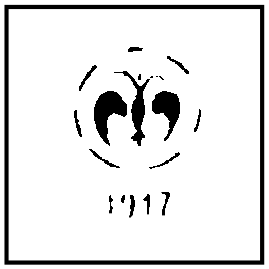
Undated
porcelain · Saint Petersburg, Russia
Near the city of Saint Petersburg The plant was opened at the behest of the Empress Elizabeth Petrovna in 1744 near Petersburg. The organizer of the production and the first craftsman was Dmitriy Ivanovich Vinogradov. Since the beginning of the ’s the first successful works were small objects, such as snuff boxes, cups, bottles, buttons, brooches inserts, pipes, handles for knives and forks. they began production of larger things (dishes, sets, vases, sculptures). till 1758 Vinogradov put on some products his own name tag in the form of the letter «W». A brand with the coat of arms of Saint Petersburg is also found: the two anchors and a crown over them. Sometimes they put a mark of Court Office «Ï.Ê.», which subsidized the plant. Later the brands were in the form of monograms and the crown of emperors. Brands of are usually green or gold underglaze. After the revolution the plant was nationalized and named State plant (ÃÔÇ). Brands ÃÔÇ were put with green and dark-blue colours under the glaze or by hand on the glaze. In 1936 plant was named after Lomonosov (ËÔÇ). Such brands are often overglaze made with the stamp or by hand of all colours. -1769 Eagle is in the paste or with dye. Monogram of Catherine II and the mark of Court Office.
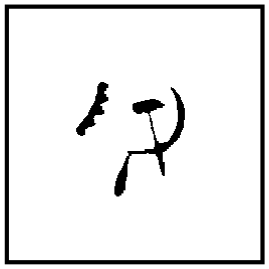
Undated
porcelain · Saint Petersburg, Russia
Near the city of Saint Petersburg The plant was opened at the behest of the Empress Elizabeth Petrovna in 1744 near Petersburg. The organizer of the production and the first craftsman was Dmitriy Ivanovich Vinogradov. Since the beginning of the ’s the first successful works were small objects, such as snuff boxes, cups, bottles, buttons, brooches inserts, pipes, handles for knives and forks. they began production of larger things (dishes, sets, vases, sculptures). till 1758 Vinogradov put on some products his own name tag in the form of the letter «W». A brand with the coat of arms of Saint Petersburg is also found: the two anchors and a crown over them. Sometimes they put a mark of Court Office «Ï.Ê.», which subsidized the plant. Later the brands were in the form of monograms and the crown of emperors. Brands of are usually green or gold underglaze. After the revolution the plant was nationalized and named State plant (ÃÔÇ). Brands ÃÔÇ were put with green and dark-blue colours under the glaze or by hand on the glaze. In 1936 plant was named after Lomonosov (ËÔÇ). Such brands are often overglaze made with the stamp or by hand of all colours. -1769 Eagle is in the paste or with dye. Monogram of Catherine II and the mark of Court Office.
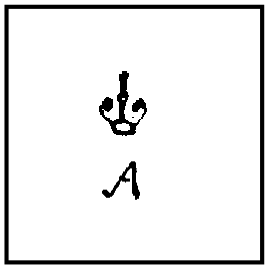
Undated
porcelain · Saint Petersburg, Russia
Near the city of Saint Petersburg The plant was opened at the behest of the Empress Elizabeth Petrovna in 1744 near Petersburg. The organizer of the production and the first craftsman was Dmitriy Ivanovich Vinogradov. Since the beginning of the ’s the first successful works were small objects, such as snuff boxes, cups, bottles, buttons, brooches inserts, pipes, handles for knives and forks. they began production of larger things (dishes, sets, vases, sculptures). till 1758 Vinogradov put on some products his own name tag in the form of the letter «W». A brand with the coat of arms of Saint Petersburg is also found: the two anchors and a crown over them. Sometimes they put a mark of Court Office «Ï.Ê.», which subsidized the plant. Later the brands were in the form of monograms and the crown of emperors. Brands of are usually green or gold underglaze. After the revolution the plant was nationalized and named State plant (ÃÔÇ). Brands ÃÔÇ were put with green and dark-blue colours under the glaze or by hand on the glaze. In 1936 plant was named after Lomonosov (ËÔÇ). Such brands are often overglaze made with the stamp or by hand of all colours. -1769 Eagle is in the paste or with dye. Monogram of Catherine II and the mark of Court Office.
Undated
porcelain · Saint Petersburg, Russia
Near the city of Saint Petersburg The plant was opened at the behest of the Empress Elizabeth Petrovna in 1744 near Petersburg. The organizer of the production and the first craftsman was Dmitriy Ivanovich Vinogradov. Since the beginning of the ’s the first successful works were small objects, such as snuff boxes, cups, bottles, buttons, brooches inserts, pipes, handles for knives and forks. they began production of larger things (dishes, sets, vases, sculptures). till 1758 Vinogradov put on some products his own name tag in the form of the letter «W». A brand with the coat of arms of Saint Petersburg is also found: the two anchors and a crown over them. Sometimes they put a mark of Court Office «Ï.Ê.», which subsidized the plant. Later the brands were in the form of monograms and the crown of emperors. Brands of are usually green or gold underglaze. After the revolution the plant was nationalized and named State plant (ÃÔÇ). Brands ÃÔÇ were put with green and dark-blue colours under the glaze or by hand on the glaze. In 1936 plant was named after Lomonosov (ËÔÇ). Such brands are often overglaze made with the stamp or by hand of all colours. -1769 Eagle is in the paste or with dye. Monogram of Catherine II and the mark of Court Office.
Undated
porcelain · Saint Petersburg, Russia
Near the city of Saint Petersburg The plant was opened at the behest of the Empress Elizabeth Petrovna in 1744 near Petersburg. The organizer of the production and the first craftsman was Dmitriy Ivanovich Vinogradov. Since the beginning of the ’s the first successful works were small objects, such as snuff boxes, cups, bottles, buttons, brooches inserts, pipes, handles for knives and forks. they began production of larger things (dishes, sets, vases, sculptures). till 1758 Vinogradov put on some products his own name tag in the form of the letter «W». A brand with the coat of arms of Saint Petersburg is also found: the two anchors and a crown over them. Sometimes they put a mark of Court Office «Ï.Ê.», which subsidized the plant. Later the brands were in the form of monograms and the crown of emperors. Brands of are usually green or gold underglaze. After the revolution the plant was nationalized and named State plant (ÃÔÇ). Brands ÃÔÇ were put with green and dark-blue colours under the glaze or by hand on the glaze. In 1936 plant was named after Lomonosov (ËÔÇ). Such brands are often overglaze made with the stamp or by hand of all colours. -1769 Eagle is in the paste or with dye. Monogram of Catherine II and the mark of Court Office.
Undated
porcelain · Saint Petersburg, Russia
Near the city of Saint Petersburg The plant was opened at the behest of the Empress Elizabeth Petrovna in 1744 near Petersburg. The organizer of the production and the first craftsman was Dmitriy Ivanovich Vinogradov. Since the beginning of the ’s the first successful works were small objects, such as snuff boxes, cups, bottles, buttons, brooches inserts, pipes, handles for knives and forks. they began production of larger things (dishes, sets, vases, sculptures). till 1758 Vinogradov put on some products his own name tag in the form of the letter «W». A brand with the coat of arms of Saint Petersburg is also found: the two anchors and a crown over them. Sometimes they put a mark of Court Office «Ï.Ê.», which subsidized the plant. Later the brands were in the form of monograms and the crown of emperors. Brands of are usually green or gold underglaze. After the revolution the plant was nationalized and named State plant (ÃÔÇ). Brands ÃÔÇ were put with green and dark-blue colours under the glaze or by hand on the glaze. In 1936 plant was named after Lomonosov (ËÔÇ). Such brands are often overglaze made with the stamp or by hand of all colours. -1769 Eagle is in the paste or with dye. Monogram of Catherine II and the mark of Court Office.
Undated
porcelain · Saint Petersburg, Russia
Near the city of Saint Petersburg The plant was opened at the behest of the Empress Elizabeth Petrovna in 1744 near Petersburg. The organizer of the production and the first craftsman was Dmitriy Ivanovich Vinogradov. Since the beginning of the ’s the first successful works were small objects, such as snuff boxes, cups, bottles, buttons, brooches inserts, pipes, handles for knives and forks. they began production of larger things (dishes, sets, vases, sculptures). till 1758 Vinogradov put on some products his own name tag in the form of the letter «W». A brand with the coat of arms of Saint Petersburg is also found: the two anchors and a crown over them. Sometimes they put a mark of Court Office «Ï.Ê.», which subsidized the plant. Later the brands were in the form of monograms and the crown of emperors. Brands of are usually green or gold underglaze. After the revolution the plant was nationalized and named State plant (ÃÔÇ). Brands ÃÔÇ were put with green and dark-blue colours under the glaze or by hand on the glaze. In 1936 plant was named after Lomonosov (ËÔÇ). Such brands are often overglaze made with the stamp or by hand of all colours. -1769 Eagle is in the paste or with dye. Monogram of Catherine II and the mark of Court Office.
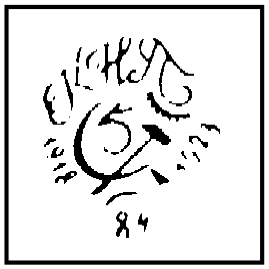
Undated
porcelain · Saint Petersburg, Russia
Near the city of Saint Petersburg The plant was opened at the behest of the Empress Elizabeth Petrovna in 1744 near Petersburg. The organizer of the production and the first craftsman was Dmitriy Ivanovich Vinogradov. Since the beginning of the ’s the first successful works were small objects, such as snuff boxes, cups, bottles, buttons, brooches inserts, pipes, handles for knives and forks. they began production of larger things (dishes, sets, vases, sculptures). till 1758 Vinogradov put on some products his own name tag in the form of the letter «W». A brand with the coat of arms of Saint Petersburg is also found: the two anchors and a crown over them. Sometimes they put a mark of Court Office «Ï.Ê.», which subsidized the plant. Later the brands were in the form of monograms and the crown of emperors. Brands of are usually green or gold underglaze. After the revolution the plant was nationalized and named State plant (ÃÔÇ). Brands ÃÔÇ were put with green and dark-blue colours under the glaze or by hand on the glaze. In 1936 plant was named after Lomonosov (ËÔÇ). Such brands are often overglaze made with the stamp or by hand of all colours. -1769 Eagle is in the paste or with dye. Monogram of Catherine II and the mark of Court Office.
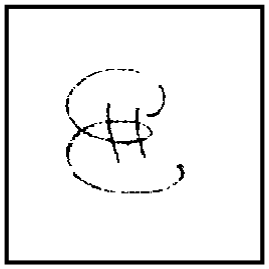
Undated
porcelain · Saint Petersburg, Russia
Near the city of Saint Petersburg The plant was opened at the behest of the Empress Elizabeth Petrovna in 1744 near Petersburg. The organizer of the production and the first craftsman was Dmitriy Ivanovich Vinogradov. Since the beginning of the ’s the first successful works were small objects, such as snuff boxes, cups, bottles, buttons, brooches inserts, pipes, handles for knives and forks. they began production of larger things (dishes, sets, vases, sculptures). till 1758 Vinogradov put on some products his own name tag in the form of the letter «W». A brand with the coat of arms of Saint Petersburg is also found: the two anchors and a crown over them. Sometimes they put a mark of Court Office «Ï.Ê.», which subsidized the plant. Later the brands were in the form of monograms and the crown of emperors. Brands of are usually green or gold underglaze. After the revolution the plant was nationalized and named State plant (ÃÔÇ). Brands ÃÔÇ were put with green and dark-blue colours under the glaze or by hand on the glaze. In 1936 plant was named after Lomonosov (ËÔÇ). Such brands are often overglaze made with the stamp or by hand of all colours. -1769 Eagle is in the paste or with dye. Monogram of Catherine II and the mark of Court Office.
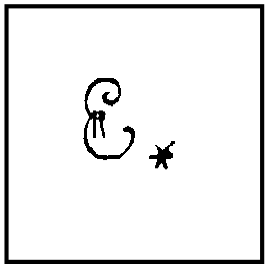
Undated
porcelain · Saint Petersburg, Russia
Near the city of Saint Petersburg The plant was opened at the behest of the Empress Elizabeth Petrovna in 1744 near Petersburg. The organizer of the production and the first craftsman was Dmitriy Ivanovich Vinogradov. Since the beginning of the ’s the first successful works were small objects, such as snuff boxes, cups, bottles, buttons, brooches inserts, pipes, handles for knives and forks. they began production of larger things (dishes, sets, vases, sculptures). till 1758 Vinogradov put on some products his own name tag in the form of the letter «W». A brand with the coat of arms of Saint Petersburg is also found: the two anchors and a crown over them. Sometimes they put a mark of Court Office «Ï.Ê.», which subsidized the plant. Later the brands were in the form of monograms and the crown of emperors. Brands of are usually green or gold underglaze. After the revolution the plant was nationalized and named State plant (ÃÔÇ). Brands ÃÔÇ were put with green and dark-blue colours under the glaze or by hand on the glaze. In 1936 plant was named after Lomonosov (ËÔÇ). Such brands are often overglaze made with the stamp or by hand of all colours. -1769 Eagle is in the paste or with dye. Monogram of Catherine II and the mark of Court Office.
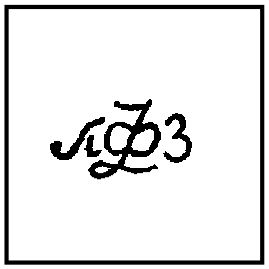
Undated
porcelain · Saint Petersburg, Russia
Near the city of Saint Petersburg The plant was opened at the behest of the Empress Elizabeth Petrovna in 1744 near Petersburg. The organizer of the production and the first craftsman was Dmitriy Ivanovich Vinogradov. Since the beginning of the ’s the first successful works were small objects, such as snuff boxes, cups, bottles, buttons, brooches inserts, pipes, handles for knives and forks. they began production of larger things (dishes, sets, vases, sculptures). till 1758 Vinogradov put on some products his own name tag in the form of the letter «W». A brand with the coat of arms of Saint Petersburg is also found: the two anchors and a crown over them. Sometimes they put a mark of Court Office «Ï.Ê.», which subsidized the plant. Later the brands were in the form of monograms and the crown of emperors. Brands of are usually green or gold underglaze. After the revolution the plant was nationalized and named State plant (ÃÔÇ). Brands ÃÔÇ were put with green and dark-blue colours under the glaze or by hand on the glaze. In 1936 plant was named after Lomonosov (ËÔÇ). Such brands are often overglaze made with the stamp or by hand of all colours. -1769 Eagle is in the paste or with dye. Monogram of Catherine II and the mark of Court Office.
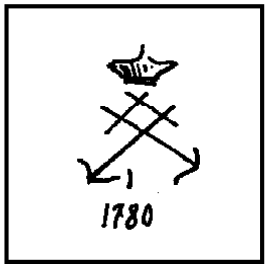
Undated
porcelain · Saint Petersburg, Russia
Near the city of Saint Petersburg The plant was opened at the behest of the Empress Elizabeth Petrovna in 1744 near Petersburg. The organizer of the production and the first craftsman was Dmitriy Ivanovich Vinogradov. Since the beginning of the ’s the first successful works were small objects, such as snuff boxes, cups, bottles, buttons, brooches inserts, pipes, handles for knives and forks. they began production of larger things (dishes, sets, vases, sculptures). till 1758 Vinogradov put on some products his own name tag in the form of the letter «W». A brand with the coat of arms of Saint Petersburg is also found: the two anchors and a crown over them. Sometimes they put a mark of Court Office «Ï.Ê.», which subsidized the plant. Later the brands were in the form of monograms and the crown of emperors. Brands of are usually green or gold underglaze. After the revolution the plant was nationalized and named State plant (ÃÔÇ). Brands ÃÔÇ were put with green and dark-blue colours under the glaze or by hand on the glaze. In 1936 plant was named after Lomonosov (ËÔÇ). Such brands are often overglaze made with the stamp or by hand of all colours. -1769 Eagle is in the paste or with dye. Monogram of Catherine II and the mark of Court Office.
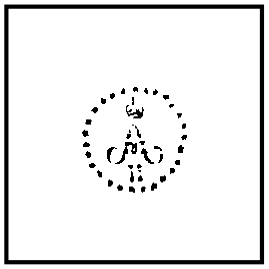
Undated
porcelain · Saint Petersburg, Russia
Near the city of Saint Petersburg The plant was opened at the behest of the Empress Elizabeth Petrovna in 1744 near Petersburg. The organizer of the production and the first craftsman was Dmitriy Ivanovich Vinogradov. Since the beginning of the ’s the first successful works were small objects, such as snuff boxes, cups, bottles, buttons, brooches inserts, pipes, handles for knives and forks. they began production of larger things (dishes, sets, vases, sculptures). till 1758 Vinogradov put on some products his own name tag in the form of the letter «W». A brand with the coat of arms of Saint Petersburg is also found: the two anchors and a crown over them. Sometimes they put a mark of Court Office «Ï.Ê.», which subsidized the plant. Later the brands were in the form of monograms and the crown of emperors. Brands of are usually green or gold underglaze. After the revolution the plant was nationalized and named State plant (ÃÔÇ). Brands ÃÔÇ were put with green and dark-blue colours under the glaze or by hand on the glaze. In 1936 plant was named after Lomonosov (ËÔÇ). Such brands are often overglaze made with the stamp or by hand of all colours. -1769 Eagle is in the paste or with dye. Monogram of Catherine II and the mark of Court Office.
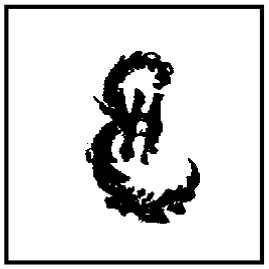
Undated
porcelain · Saint Petersburg, Russia
Near the city of Saint Petersburg The plant was opened at the behest of the Empress Elizabeth Petrovna in 1744 near Petersburg. The organizer of the production and the first craftsman was Dmitriy Ivanovich Vinogradov. Since the beginning of the ’s the first successful works were small objects, such as snuff boxes, cups, bottles, buttons, brooches inserts, pipes, handles for knives and forks. they began production of larger things (dishes, sets, vases, sculptures). till 1758 Vinogradov put on some products his own name tag in the form of the letter «W». A brand with the coat of arms of Saint Petersburg is also found: the two anchors and a crown over them. Sometimes they put a mark of Court Office «Ï.Ê.», which subsidized the plant. Later the brands were in the form of monograms and the crown of emperors. Brands of are usually green or gold underglaze. After the revolution the plant was nationalized and named State plant (ÃÔÇ). Brands ÃÔÇ were put with green and dark-blue colours under the glaze or by hand on the glaze. In 1936 plant was named after Lomonosov (ËÔÇ). Such brands are often overglaze made with the stamp or by hand of all colours. -1769 Eagle is in the paste or with dye. Monogram of Catherine II and the mark of Court Office.
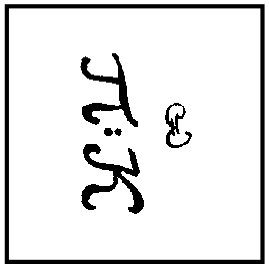
Undated
porcelain · Saint Petersburg, Russia
Near the city of Saint Petersburg The plant was opened at the behest of the Empress Elizabeth Petrovna in 1744 near Petersburg. The organizer of the production and the first craftsman was Dmitriy Ivanovich Vinogradov. Since the beginning of the ’s the first successful works were small objects, such as snuff boxes, cups, bottles, buttons, brooches inserts, pipes, handles for knives and forks. they began production of larger things (dishes, sets, vases, sculptures). till 1758 Vinogradov put on some products his own name tag in the form of the letter «W». A brand with the coat of arms of Saint Petersburg is also found: the two anchors and a crown over them. Sometimes they put a mark of Court Office «Ï.Ê.», which subsidized the plant. Later the brands were in the form of monograms and the crown of emperors. Brands of are usually green or gold underglaze. After the revolution the plant was nationalized and named State plant (ÃÔÇ). Brands ÃÔÇ were put with green and dark-blue colours under the glaze or by hand on the glaze. In 1936 plant was named after Lomonosov (ËÔÇ). Such brands are often overglaze made with the stamp or by hand of all colours. -1769 Eagle is in the paste or with dye. Monogram of Catherine II and the mark of Court Office.
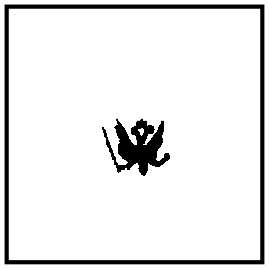
Undated
porcelain · Saint Petersburg, Russia
Near the city of Saint Petersburg The plant was opened at the behest of the Empress Elizabeth Petrovna in 1744 near Petersburg. The organizer of the production and the first craftsman was Dmitriy Ivanovich Vinogradov. Since the beginning of the ’s the first successful works were small objects, such as snuff boxes, cups, bottles, buttons, brooches inserts, pipes, handles for knives and forks. they began production of larger things (dishes, sets, vases, sculptures). till 1758 Vinogradov put on some products his own name tag in the form of the letter «W». A brand with the coat of arms of Saint Petersburg is also found: the two anchors and a crown over them. Sometimes they put a mark of Court Office «Ï.Ê.», which subsidized the plant. Later the brands were in the form of monograms and the crown of emperors. Brands of are usually green or gold underglaze. After the revolution the plant was nationalized and named State plant (ÃÔÇ). Brands ÃÔÇ were put with green and dark-blue colours under the glaze or by hand on the glaze. In 1936 plant was named after Lomonosov (ËÔÇ). Such brands are often overglaze made with the stamp or by hand of all colours. -1769 Eagle is in the paste or with dye. Monogram of Catherine II and the mark of Court Office.
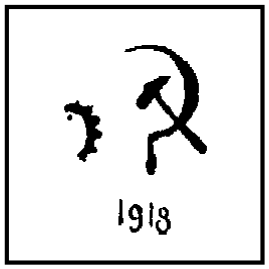
Undated
porcelain · Saint Petersburg, Russia
Near the city of Saint Petersburg The plant was opened at the behest of the Empress Elizabeth Petrovna in 1744 near Petersburg. The organizer of the production and the first craftsman was Dmitriy Ivanovich Vinogradov. Since the beginning of the ’s the first successful works were small objects, such as snuff boxes, cups, bottles, buttons, brooches inserts, pipes, handles for knives and forks. they began production of larger things (dishes, sets, vases, sculptures). till 1758 Vinogradov put on some products his own name tag in the form of the letter «W». A brand with the coat of arms of Saint Petersburg is also found: the two anchors and a crown over them. Sometimes they put a mark of Court Office «Ï.Ê.», which subsidized the plant. Later the brands were in the form of monograms and the crown of emperors. Brands of are usually green or gold underglaze. After the revolution the plant was nationalized and named State plant (ÃÔÇ). Brands ÃÔÇ were put with green and dark-blue colours under the glaze or by hand on the glaze. In 1936 plant was named after Lomonosov (ËÔÇ). Such brands are often overglaze made with the stamp or by hand of all colours. -1769 Eagle is in the paste or with dye. Monogram of Catherine II and the mark of Court Office.
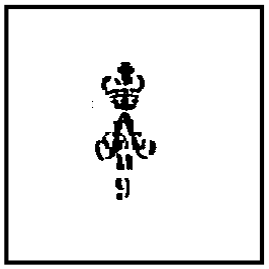
Undated
porcelain · Saint Petersburg, Russia
Near the city of Saint Petersburg The plant was opened at the behest of the Empress Elizabeth Petrovna in 1744 near Petersburg. The organizer of the production and the first craftsman was Dmitriy Ivanovich Vinogradov. Since the beginning of the ’s the first successful works were small objects, such as snuff boxes, cups, bottles, buttons, brooches inserts, pipes, handles for knives and forks. they began production of larger things (dishes, sets, vases, sculptures). till 1758 Vinogradov put on some products his own name tag in the form of the letter «W». A brand with the coat of arms of Saint Petersburg is also found: the two anchors and a crown over them. Sometimes they put a mark of Court Office «Ï.Ê.», which subsidized the plant. Later the brands were in the form of monograms and the crown of emperors. Brands of are usually green or gold underglaze. After the revolution the plant was nationalized and named State plant (ÃÔÇ). Brands ÃÔÇ were put with green and dark-blue colours under the glaze or by hand on the glaze. In 1936 plant was named after Lomonosov (ËÔÇ). Such brands are often overglaze made with the stamp or by hand of all colours. -1769 Eagle is in the paste or with dye. Monogram of Catherine II and the mark of Court Office.
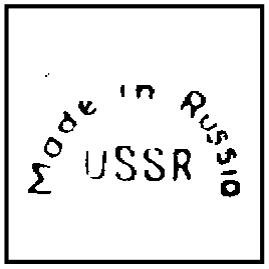
Undated
porcelain · Saint Petersburg, Russia
Near the city of Saint Petersburg The plant was opened at the behest of the Empress Elizabeth Petrovna in 1744 near Petersburg. The organizer of the production and the first craftsman was Dmitriy Ivanovich Vinogradov. Since the beginning of the ’s the first successful works were small objects, such as snuff boxes, cups, bottles, buttons, brooches inserts, pipes, handles for knives and forks. they began production of larger things (dishes, sets, vases, sculptures). till 1758 Vinogradov put on some products his own name tag in the form of the letter «W». A brand with the coat of arms of Saint Petersburg is also found: the two anchors and a crown over them. Sometimes they put a mark of Court Office «Ï.Ê.», which subsidized the plant. Later the brands were in the form of monograms and the crown of emperors. Brands of are usually green or gold underglaze. After the revolution the plant was nationalized and named State plant (ÃÔÇ). Brands ÃÔÇ were put with green and dark-blue colours under the glaze or by hand on the glaze. In 1936 plant was named after Lomonosov (ËÔÇ). Such brands are often overglaze made with the stamp or by hand of all colours. -1769 Eagle is in the paste or with dye. Monogram of Catherine II and the mark of Court Office.
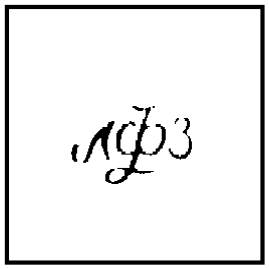
Undated
porcelain · Saint Petersburg, Russia
Near the city of Saint Petersburg The plant was opened at the behest of the Empress Elizabeth Petrovna in 1744 near Petersburg. The organizer of the production and the first craftsman was Dmitriy Ivanovich Vinogradov. Since the beginning of the ’s the first successful works were small objects, such as snuff boxes, cups, bottles, buttons, brooches inserts, pipes, handles for knives and forks. they began production of larger things (dishes, sets, vases, sculptures). till 1758 Vinogradov put on some products his own name tag in the form of the letter «W». A brand with the coat of arms of Saint Petersburg is also found: the two anchors and a crown over them. Sometimes they put a mark of Court Office «Ï.Ê.», which subsidized the plant. Later the brands were in the form of monograms and the crown of emperors. Brands of are usually green or gold underglaze. After the revolution the plant was nationalized and named State plant (ÃÔÇ). Brands ÃÔÇ were put with green and dark-blue colours under the glaze or by hand on the glaze. In 1936 plant was named after Lomonosov (ËÔÇ). Such brands are often overglaze made with the stamp or by hand of all colours. -1769 Eagle is in the paste or with dye. Monogram of Catherine II and the mark of Court Office.
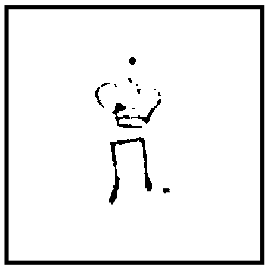
Undated
porcelain · Saint Petersburg, Russia
Near the city of Saint Petersburg The plant was opened at the behest of the Empress Elizabeth Petrovna in 1744 near Petersburg. The organizer of the production and the first craftsman was Dmitriy Ivanovich Vinogradov. Since the beginning of the ’s the first successful works were small objects, such as snuff boxes, cups, bottles, buttons, brooches inserts, pipes, handles for knives and forks. they began production of larger things (dishes, sets, vases, sculptures). till 1758 Vinogradov put on some products his own name tag in the form of the letter «W». A brand with the coat of arms of Saint Petersburg is also found: the two anchors and a crown over them. Sometimes they put a mark of Court Office «Ï.Ê.», which subsidized the plant. Later the brands were in the form of monograms and the crown of emperors. Brands of are usually green or gold underglaze. After the revolution the plant was nationalized and named State plant (ÃÔÇ). Brands ÃÔÇ were put with green and dark-blue colours under the glaze or by hand on the glaze. In 1936 plant was named after Lomonosov (ËÔÇ). Such brands are often overglaze made with the stamp or by hand of all colours. -1769 Eagle is in the paste or with dye. Monogram of Catherine II and the mark of Court Office.
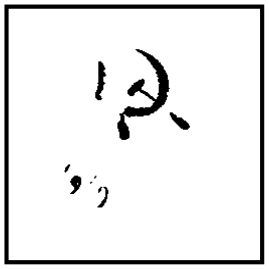
Undated
porcelain · Saint Petersburg, Russia
Near the city of Saint Petersburg The plant was opened at the behest of the Empress Elizabeth Petrovna in 1744 near Petersburg. The organizer of the production and the first craftsman was Dmitriy Ivanovich Vinogradov. Since the beginning of the ’s the first successful works were small objects, such as snuff boxes, cups, bottles, buttons, brooches inserts, pipes, handles for knives and forks. they began production of larger things (dishes, sets, vases, sculptures). till 1758 Vinogradov put on some products his own name tag in the form of the letter «W». A brand with the coat of arms of Saint Petersburg is also found: the two anchors and a crown over them. Sometimes they put a mark of Court Office «Ï.Ê.», which subsidized the plant. Later the brands were in the form of monograms and the crown of emperors. Brands of are usually green or gold underglaze. After the revolution the plant was nationalized and named State plant (ÃÔÇ). Brands ÃÔÇ were put with green and dark-blue colours under the glaze or by hand on the glaze. In 1936 plant was named after Lomonosov (ËÔÇ). Such brands are often overglaze made with the stamp or by hand of all colours. -1769 Eagle is in the paste or with dye. Monogram of Catherine II and the mark of Court Office.
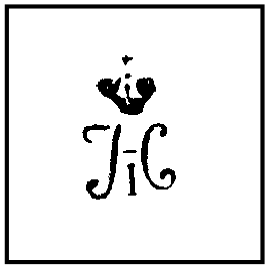
Undated
porcelain · Saint Petersburg, Russia
Near the city of Saint Petersburg The plant was opened at the behest of the Empress Elizabeth Petrovna in 1744 near Petersburg. The organizer of the production and the first craftsman was Dmitriy Ivanovich Vinogradov. Since the beginning of the ’s the first successful works were small objects, such as snuff boxes, cups, bottles, buttons, brooches inserts, pipes, handles for knives and forks. they began production of larger things (dishes, sets, vases, sculptures). till 1758 Vinogradov put on some products his own name tag in the form of the letter «W». A brand with the coat of arms of Saint Petersburg is also found: the two anchors and a crown over them. Sometimes they put a mark of Court Office «Ï.Ê.», which subsidized the plant. Later the brands were in the form of monograms and the crown of emperors. Brands of are usually green or gold underglaze. After the revolution the plant was nationalized and named State plant (ÃÔÇ). Brands ÃÔÇ were put with green and dark-blue colours under the glaze or by hand on the glaze. In 1936 plant was named after Lomonosov (ËÔÇ). Such brands are often overglaze made with the stamp or by hand of all colours. -1769 Eagle is in the paste or with dye. Monogram of Catherine II and the mark of Court Office.
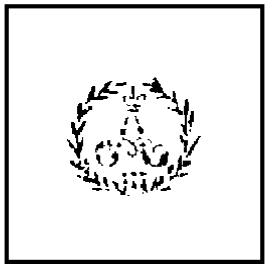
Undated
porcelain · Saint Petersburg, Russia
Near the city of Saint Petersburg The plant was opened at the behest of the Empress Elizabeth Petrovna in 1744 near Petersburg. The organizer of the production and the first craftsman was Dmitriy Ivanovich Vinogradov. Since the beginning of the ’s the first successful works were small objects, such as snuff boxes, cups, bottles, buttons, brooches inserts, pipes, handles for knives and forks. they began production of larger things (dishes, sets, vases, sculptures). till 1758 Vinogradov put on some products his own name tag in the form of the letter «W». A brand with the coat of arms of Saint Petersburg is also found: the two anchors and a crown over them. Sometimes they put a mark of Court Office «Ï.Ê.», which subsidized the plant. Later the brands were in the form of monograms and the crown of emperors. Brands of are usually green or gold underglaze. After the revolution the plant was nationalized and named State plant (ÃÔÇ). Brands ÃÔÇ were put with green and dark-blue colours under the glaze or by hand on the glaze. In 1936 plant was named after Lomonosov (ËÔÇ). Such brands are often overglaze made with the stamp or by hand of all colours. -1769 Eagle is in the paste or with dye. Monogram of Catherine II and the mark of Court Office.
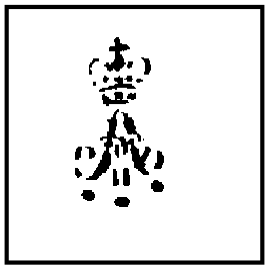
Undated
porcelain · Saint Petersburg, Russia
Near the city of Saint Petersburg The plant was opened at the behest of the Empress Elizabeth Petrovna in 1744 near Petersburg. The organizer of the production and the first craftsman was Dmitriy Ivanovich Vinogradov. Since the beginning of the ’s the first successful works were small objects, such as snuff boxes, cups, bottles, buttons, brooches inserts, pipes, handles for knives and forks. they began production of larger things (dishes, sets, vases, sculptures). till 1758 Vinogradov put on some products his own name tag in the form of the letter «W». A brand with the coat of arms of Saint Petersburg is also found: the two anchors and a crown over them. Sometimes they put a mark of Court Office «Ï.Ê.», which subsidized the plant. Later the brands were in the form of monograms and the crown of emperors. Brands of are usually green or gold underglaze. After the revolution the plant was nationalized and named State plant (ÃÔÇ). Brands ÃÔÇ were put with green and dark-blue colours under the glaze or by hand on the glaze. In 1936 plant was named after Lomonosov (ËÔÇ). Such brands are often overglaze made with the stamp or by hand of all colours. -1769 Eagle is in the paste or with dye. Monogram of Catherine II and the mark of Court Office.

Undated
porcelain · Saint Petersburg, Russia
Near the city of Saint Petersburg The plant was opened at the behest of the Empress Elizabeth Petrovna in 1744 near Petersburg. The organizer of the production and the first craftsman was Dmitriy Ivanovich Vinogradov. Since the beginning of the ’s the first successful works were small objects, such as snuff boxes, cups, bottles, buttons, brooches inserts, pipes, handles for knives and forks. they began production of larger things (dishes, sets, vases, sculptures). till 1758 Vinogradov put on some products his own name tag in the form of the letter «W». A brand with the coat of arms of Saint Petersburg is also found: the two anchors and a crown over them. Sometimes they put a mark of Court Office «Ï.Ê.», which subsidized the plant. Later the brands were in the form of monograms and the crown of emperors. Brands of are usually green or gold underglaze. After the revolution the plant was nationalized and named State plant (ÃÔÇ). Brands ÃÔÇ were put with green and dark-blue colours under the glaze or by hand on the glaze. In 1936 plant was named after Lomonosov (ËÔÇ). Such brands are often overglaze made with the stamp or by hand of all colours. -1769 Eagle is in the paste or with dye. Monogram of Catherine II and the mark of Court Office.
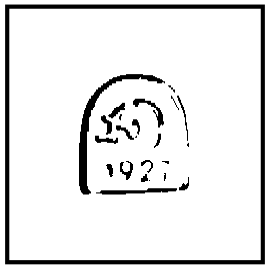
Undated
porcelain · Saint Petersburg, Russia
Near the city of Saint Petersburg The plant was opened at the behest of the Empress Elizabeth Petrovna in 1744 near Petersburg. The organizer of the production and the first craftsman was Dmitriy Ivanovich Vinogradov. Since the beginning of the ’s the first successful works were small objects, such as snuff boxes, cups, bottles, buttons, brooches inserts, pipes, handles for knives and forks. they began production of larger things (dishes, sets, vases, sculptures). till 1758 Vinogradov put on some products his own name tag in the form of the letter «W». A brand with the coat of arms of Saint Petersburg is also found: the two anchors and a crown over them. Sometimes they put a mark of Court Office «Ï.Ê.», which subsidized the plant. Later the brands were in the form of monograms and the crown of emperors. Brands of are usually green or gold underglaze. After the revolution the plant was nationalized and named State plant (ÃÔÇ). Brands ÃÔÇ were put with green and dark-blue colours under the glaze or by hand on the glaze. In 1936 plant was named after Lomonosov (ËÔÇ). Such brands are often overglaze made with the stamp or by hand of all colours. -1769 Eagle is in the paste or with dye. Monogram of Catherine II and the mark of Court Office.
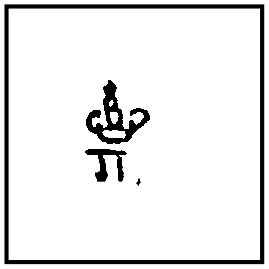
Undated
porcelain · Saint Petersburg, Russia
Near the city of Saint Petersburg The plant was opened at the behest of the Empress Elizabeth Petrovna in 1744 near Petersburg. The organizer of the production and the first craftsman was Dmitriy Ivanovich Vinogradov. Since the beginning of the ’s the first successful works were small objects, such as snuff boxes, cups, bottles, buttons, brooches inserts, pipes, handles for knives and forks. they began production of larger things (dishes, sets, vases, sculptures). till 1758 Vinogradov put on some products his own name tag in the form of the letter «W». A brand with the coat of arms of Saint Petersburg is also found: the two anchors and a crown over them. Sometimes they put a mark of Court Office «Ï.Ê.», which subsidized the plant. Later the brands were in the form of monograms and the crown of emperors. Brands of are usually green or gold underglaze. After the revolution the plant was nationalized and named State plant (ÃÔÇ). Brands ÃÔÇ were put with green and dark-blue colours under the glaze or by hand on the glaze. In 1936 plant was named after Lomonosov (ËÔÇ). Such brands are often overglaze made with the stamp or by hand of all colours. -1769 Eagle is in the paste or with dye. Monogram of Catherine II and the mark of Court Office.
Undated
porcelain · Saint Petersburg, Russia
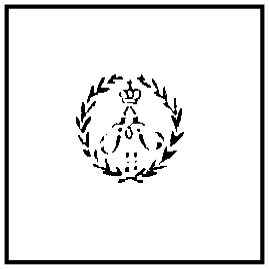
Near the city of Saint Petersburg The plant was opened at the behest of the Empress Elizabeth Petrovna in 1744 near Petersburg. The organizer of the production and the first craftsman was Dmitriy Ivanovich Vinogradov. Since the beginning of the ’s the first successful works were small objects, such as snuff boxes, cups, bottles, buttons, brooches inserts, pipes, handles for knives and forks. they began production of larger things (dishes, sets, vases, sculptures). till 1758 Vinogradov put on some products his own name tag in the form of the letter «W». A brand with the coat of arms of Saint Petersburg is also found: the two anchors and a crown over them. Sometimes they put a mark of Court Office «Ï.Ê.», which subsidized the plant. Later the brands were in the form of monograms and the crown of emperors. Brands of are usually green or gold underglaze. After the revolution the plant was nationalized and named State plant (ÃÔÇ). Brands ÃÔÇ were put with green and dark-blue colours under the glaze or by hand on the glaze. In 1936 plant was named after Lomonosov (ËÔÇ). Such brands are often overglaze made with the stamp or by hand of all colours. -1769 Eagle is in the paste or with dye. Monogram of Catherine II and the mark of Court Office.
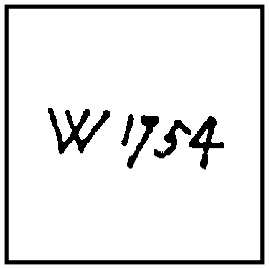
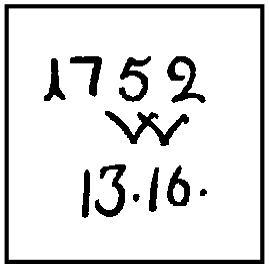
Undated
porcelain · Saint Petersburg, Russia
Near the city of Saint Petersburg The plant was opened at the behest of the Empress Elizabeth Petrovna in 1744 near Petersburg. The organizer of the production and the first craftsman was Dmitriy Ivanovich Vinogradov. Since the beginning of the ’s the first successful works were small objects, such as snuff boxes, cups, bottles, buttons, brooches inserts, pipes, handles for knives and forks. they began production of larger things (dishes, sets, vases, sculptures). till 1758 Vinogradov put on some products his own name tag in the form of the letter «W». A brand with the coat of arms of Saint Petersburg is also found: the two anchors and a crown over them. Sometimes they put a mark of Court Office «Ï.Ê.», which subsidized the plant. Later the brands were in the form of monograms and the crown of emperors. Brands of are usually green or gold underglaze. After the revolution the plant was nationalized and named State plant (ÃÔÇ). Brands ÃÔÇ were put with green and dark-blue colours under the glaze or by hand on the glaze. In 1936 plant was named after Lomonosov (ËÔÇ). Such brands are often overglaze made with the stamp or by hand of all colours. -1769 Eagle is in the paste or with dye. Monogram of Catherine II and the mark of Court Office.
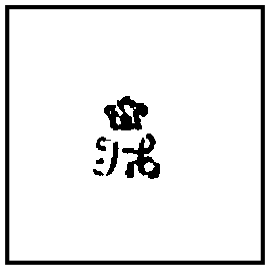
Undated
porcelain · Saint Petersburg, Russia
Near the city of Saint Petersburg The plant was opened at the behest of the Empress Elizabeth Petrovna in 1744 near Petersburg. The organizer of the production and the first craftsman was Dmitriy Ivanovich Vinogradov. Since the beginning of the ’s the first successful works were small objects, such as snuff boxes, cups, bottles, buttons, brooches inserts, pipes, handles for knives and forks. they began production of larger things (dishes, sets, vases, sculptures). till 1758 Vinogradov put on some products his own name tag in the form of the letter «W». A brand with the coat of arms of Saint Petersburg is also found: the two anchors and a crown over them. Sometimes they put a mark of Court Office «Ï.Ê.», which subsidized the plant. Later the brands were in the form of monograms and the crown of emperors. Brands of are usually green or gold underglaze. After the revolution the plant was nationalized and named State plant (ÃÔÇ). Brands ÃÔÇ were put with green and dark-blue colours under the glaze or by hand on the glaze. In 1936 plant was named after Lomonosov (ËÔÇ). Such brands are often overglaze made with the stamp or by hand of all colours. -1769 Eagle is in the paste or with dye. Monogram of Catherine II and the mark of Court Office.
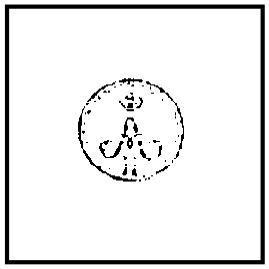
Undated
porcelain · Saint Petersburg, Russia
Near the city of Saint Petersburg The plant was opened at the behest of the Empress Elizabeth Petrovna in 1744 near Petersburg. The organizer of the production and the first craftsman was Dmitriy Ivanovich Vinogradov. Since the beginning of the ’s the first successful works were small objects, such as snuff boxes, cups, bottles, buttons, brooches inserts, pipes, handles for knives and forks. they began production of larger things (dishes, sets, vases, sculptures). till 1758 Vinogradov put on some products his own name tag in the form of the letter «W». A brand with the coat of arms of Saint Petersburg is also found: the two anchors and a crown over them. Sometimes they put a mark of Court Office «Ï.Ê.», which subsidized the plant. Later the brands were in the form of monograms and the crown of emperors. Brands of are usually green or gold underglaze. After the revolution the plant was nationalized and named State plant (ÃÔÇ). Brands ÃÔÇ were put with green and dark-blue colours under the glaze or by hand on the glaze. In 1936 plant was named after Lomonosov (ËÔÇ). Such brands are often overglaze made with the stamp or by hand of all colours. -1769 Eagle is in the paste or with dye. Monogram of Catherine II and the mark of Court Office.
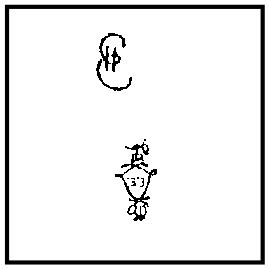
Undated
porcelain · Saint Petersburg, Russia
Near the city of Saint Petersburg The plant was opened at the behest of the Empress Elizabeth Petrovna in 1744 near Petersburg. The organizer of the production and the first craftsman was Dmitriy Ivanovich Vinogradov. Since the beginning of the ’s the first successful works were small objects, such as snuff boxes, cups, bottles, buttons, brooches inserts, pipes, handles for knives and forks. they began production of larger things (dishes, sets, vases, sculptures). till 1758 Vinogradov put on some products his own name tag in the form of the letter «W». A brand with the coat of arms of Saint Petersburg is also found: the two anchors and a crown over them. Sometimes they put a mark of Court Office «Ï.Ê.», which subsidized the plant. Later the brands were in the form of monograms and the crown of emperors. Brands of are usually green or gold underglaze. After the revolution the plant was nationalized and named State plant (ÃÔÇ). Brands ÃÔÇ were put with green and dark-blue colours under the glaze or by hand on the glaze. In 1936 plant was named after Lomonosov (ËÔÇ). Such brands are often overglaze made with the stamp or by hand of all colours. -1769 Eagle is in the paste or with dye. Monogram of Catherine II and the mark of Court Office.
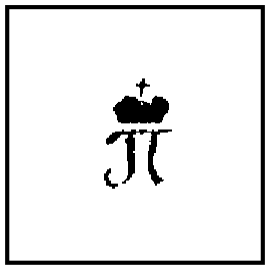
Undated
porcelain · Saint Petersburg, Russia
Near the city of Saint Petersburg The plant was opened at the behest of the Empress Elizabeth Petrovna in 1744 near Petersburg. The organizer of the production and the first craftsman was Dmitriy Ivanovich Vinogradov. Since the beginning of the ’s the first successful works were small objects, such as snuff boxes, cups, bottles, buttons, brooches inserts, pipes, handles for knives and forks. they began production of larger things (dishes, sets, vases, sculptures). till 1758 Vinogradov put on some products his own name tag in the form of the letter «W». A brand with the coat of arms of Saint Petersburg is also found: the two anchors and a crown over them. Sometimes they put a mark of Court Office «Ï.Ê.», which subsidized the plant. Later the brands were in the form of monograms and the crown of emperors. Brands of are usually green or gold underglaze. After the revolution the plant was nationalized and named State plant (ÃÔÇ). Brands ÃÔÇ were put with green and dark-blue colours under the glaze or by hand on the glaze. In 1936 plant was named after Lomonosov (ËÔÇ). Such brands are often overglaze made with the stamp or by hand of all colours. -1769 Eagle is in the paste or with dye. Monogram of Catherine II and the mark of Court Office.
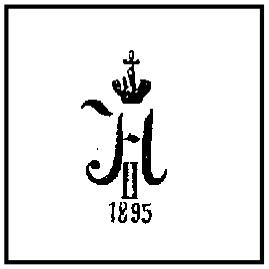
Undated
porcelain · Saint Petersburg, Russia
Near the city of Saint Petersburg The plant was opened at the behest of the Empress Elizabeth Petrovna in 1744 near Petersburg. The organizer of the production and the first craftsman was Dmitriy Ivanovich Vinogradov. Since the beginning of the ’s the first successful works were small objects, such as snuff boxes, cups, bottles, buttons, brooches inserts, pipes, handles for knives and forks. they began production of larger things (dishes, sets, vases, sculptures). till 1758 Vinogradov put on some products his own name tag in the form of the letter «W». A brand with the coat of arms of Saint Petersburg is also found: the two anchors and a crown over them. Sometimes they put a mark of Court Office «Ï.Ê.», which subsidized the plant. Later the brands were in the form of monograms and the crown of emperors. Brands of are usually green or gold underglaze. After the revolution the plant was nationalized and named State plant (ÃÔÇ). Brands ÃÔÇ were put with green and dark-blue colours under the glaze or by hand on the glaze. In 1936 plant was named after Lomonosov (ËÔÇ). Such brands are often overglaze made with the stamp or by hand of all colours. -1769 Eagle is in the paste or with dye. Monogram of Catherine II and the mark of Court Office.
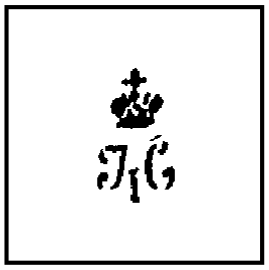
Undated
porcelain · Saint Petersburg, Russia
Near the city of Saint Petersburg The plant was opened at the behest of the Empress Elizabeth Petrovna in 1744 near Petersburg. The organizer of the production and the first craftsman was Dmitriy Ivanovich Vinogradov. Since the beginning of the ’s the first successful works were small objects, such as snuff boxes, cups, bottles, buttons, brooches inserts, pipes, handles for knives and forks. they began production of larger things (dishes, sets, vases, sculptures). till 1758 Vinogradov put on some products his own name tag in the form of the letter «W». A brand with the coat of arms of Saint Petersburg is also found: the two anchors and a crown over them. Sometimes they put a mark of Court Office «Ï.Ê.», which subsidized the plant. Later the brands were in the form of monograms and the crown of emperors. Brands of are usually green or gold underglaze. After the revolution the plant was nationalized and named State plant (ÃÔÇ). Brands ÃÔÇ were put with green and dark-blue colours under the glaze or by hand on the glaze. In 1936 plant was named after Lomonosov (ËÔÇ). Such brands are often overglaze made with the stamp or by hand of all colours. -1769 Eagle is in the paste or with dye. Monogram of Catherine II and the mark of Court Office.
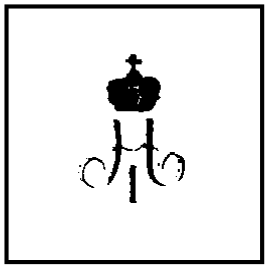
Undated
porcelain · Saint Petersburg, Russia
Near the city of Saint Petersburg The plant was opened at the behest of the Empress Elizabeth Petrovna in 1744 near Petersburg. The organizer of the production and the first craftsman was Dmitriy Ivanovich Vinogradov. Since the beginning of the ’s the first successful works were small objects, such as snuff boxes, cups, bottles, buttons, brooches inserts, pipes, handles for knives and forks. they began production of larger things (dishes, sets, vases, sculptures). till 1758 Vinogradov put on some products his own name tag in the form of the letter «W». A brand with the coat of arms of Saint Petersburg is also found: the two anchors and a crown over them. Sometimes they put a mark of Court Office «Ï.Ê.», which subsidized the plant. Later the brands were in the form of monograms and the crown of emperors. Brands of are usually green or gold underglaze. After the revolution the plant was nationalized and named State plant (ÃÔÇ). Brands ÃÔÇ were put with green and dark-blue colours under the glaze or by hand on the glaze. In 1936 plant was named after Lomonosov (ËÔÇ). Such brands are often overglaze made with the stamp or by hand of all colours. -1769 Eagle is in the paste or with dye. Monogram of Catherine II and the mark of Court Office.
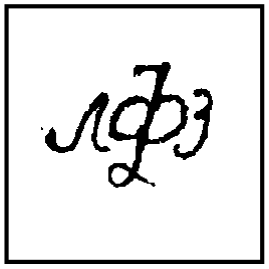
Undated
porcelain · Saint Petersburg, Russia
Near the city of Saint Petersburg The plant was opened at the behest of the Empress Elizabeth Petrovna in 1744 near Petersburg. The organizer of the production and the first craftsman was Dmitriy Ivanovich Vinogradov. Since the beginning of the ’s the first successful works were small objects, such as snuff boxes, cups, bottles, buttons, brooches inserts, pipes, handles for knives and forks. they began production of larger things (dishes, sets, vases, sculptures). till 1758 Vinogradov put on some products his own name tag in the form of the letter «W». A brand with the coat of arms of Saint Petersburg is also found: the two anchors and a crown over them. Sometimes they put a mark of Court Office «Ï.Ê.», which subsidized the plant. Later the brands were in the form of monograms and the crown of emperors. Brands of are usually green or gold underglaze. After the revolution the plant was nationalized and named State plant (ÃÔÇ). Brands ÃÔÇ were put with green and dark-blue colours under the glaze or by hand on the glaze. In 1936 plant was named after Lomonosov (ËÔÇ). Such brands are often overglaze made with the stamp or by hand of all colours. -1769 Eagle is in the paste or with dye. Monogram of Catherine II and the mark of Court Office.
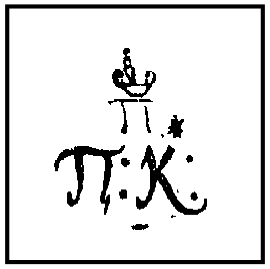
Undated
porcelain · Saint Petersburg, Russia
Near the city of Saint Petersburg The plant was opened at the behest of the Empress Elizabeth Petrovna in 1744 near Petersburg. The organizer of the production and the first craftsman was Dmitriy Ivanovich Vinogradov. Since the beginning of the ’s the first successful works were small objects, such as snuff boxes, cups, bottles, buttons, brooches inserts, pipes, handles for knives and forks. they began production of larger things (dishes, sets, vases, sculptures). till 1758 Vinogradov put on some products his own name tag in the form of the letter «W». A brand with the coat of arms of Saint Petersburg is also found: the two anchors and a crown over them. Sometimes they put a mark of Court Office «Ï.Ê.», which subsidized the plant. Later the brands were in the form of monograms and the crown of emperors. Brands of are usually green or gold underglaze. After the revolution the plant was nationalized and named State plant (ÃÔÇ). Brands ÃÔÇ were put with green and dark-blue colours under the glaze or by hand on the glaze. In 1936 plant was named after Lomonosov (ËÔÇ). Such brands are often overglaze made with the stamp or by hand of all colours. -1769 Eagle is in the paste or with dye. Monogram of Catherine II and the mark of Court Office.
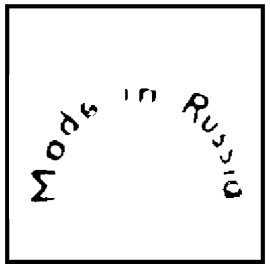
Undated
porcelain · Saint Petersburg, Russia
Near the city of Saint Petersburg The plant was opened at the behest of the Empress Elizabeth Petrovna in 1744 near Petersburg. The organizer of the production and the first craftsman was Dmitriy Ivanovich Vinogradov. Since the beginning of the ’s the first successful works were small objects, such as snuff boxes, cups, bottles, buttons, brooches inserts, pipes, handles for knives and forks. they began production of larger things (dishes, sets, vases, sculptures). till 1758 Vinogradov put on some products his own name tag in the form of the letter «W». A brand with the coat of arms of Saint Petersburg is also found: the two anchors and a crown over them. Sometimes they put a mark of Court Office «Ï.Ê.», which subsidized the plant. Later the brands were in the form of monograms and the crown of emperors. Brands of are usually green or gold underglaze. After the revolution the plant was nationalized and named State plant (ÃÔÇ). Brands ÃÔÇ were put with green and dark-blue colours under the glaze or by hand on the glaze. In 1936 plant was named after Lomonosov (ËÔÇ). Such brands are often overglaze made with the stamp or by hand of all colours. -1769 Eagle is in the paste or with dye. Monogram of Catherine II and the mark of Court Office.
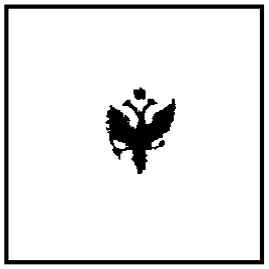
Undated
porcelain · Saint Petersburg, Russia
Near the city of Saint Petersburg The plant was opened at the behest of the Empress Elizabeth Petrovna in 1744 near Petersburg. The organizer of the production and the first craftsman was Dmitriy Ivanovich Vinogradov. Since the beginning of the ’s the first successful works were small objects, such as snuff boxes, cups, bottles, buttons, brooches inserts, pipes, handles for knives and forks. they began production of larger things (dishes, sets, vases, sculptures). till 1758 Vinogradov put on some products his own name tag in the form of the letter «W». A brand with the coat of arms of Saint Petersburg is also found: the two anchors and a crown over them. Sometimes they put a mark of Court Office «Ï.Ê.», which subsidized the plant. Later the brands were in the form of monograms and the crown of emperors. Brands of are usually green or gold underglaze. After the revolution the plant was nationalized and named State plant (ÃÔÇ). Brands ÃÔÇ were put with green and dark-blue colours under the glaze or by hand on the glaze. In 1936 plant was named after Lomonosov (ËÔÇ). Such brands are often overglaze made with the stamp or by hand of all colours. -1769 Eagle is in the paste or with dye. Monogram of Catherine II and the mark of Court Office.
The Lomonosov Porcelain Factory was the twentieth-century continuation of the Imperial Porcelain Factory in Saint Petersburg. Founded in 1744 under Empress Elizabeth, the manufactory developed Russian porcelain with the work of Dmitry Vinogradov and supplied the imperial court with table services and decorative objects. It became the State Porcelain Factory after nationalisation in 1918. Early Soviet artists used its plates and figures for new subjects, including revolutionary imagery.
In 1925 the factory received the name of Mikhail Lomonosov. Its familiar Cyrillic ЛФЗ monogram joins the initials represented in English as LFZ; Anna Yatskevich designed the version introduced in 1936. The factory made porcelain services, vases and sculpture as well as individual exhibition pieces. Yatskevich also created the Cobalt Net pattern in 1944, a blue lattice design that became closely associated with its tableware.
Production continued through the Soviet and post-Soviet periods. Export stamps changed from USSR wording to Russia wording, while domestic marks often omitted an English country inscription. In 2005 the shareholders restored the Imperial Porcelain Factory name. The modern double-headed-eagle mark belongs to this later period; the date 1744 within it commemorates the foundation rather than dating the individual object.
Also known as: LFZ · ЛФЗ · Leningrad Porcelain Factory named after M. V. Lomonosov · Lomonosovsky Farforovy Zavod · Imperial Porcelain Factory · Imperial Porcelain Manufactory · State Porcelain Factory · GFZ · ГФЗ · Lomonosov Porcelain Factory · Lomonosov