
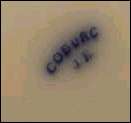
c. 1847–1873
J E
impressed, printed · Longton or Fenton, England
The source identifies Coberg as the pattern name.
Pottery & porcelain
England, United Kingdom · 1847–1900 · 7 marks.
c. 1847–1873
impressed, printed · Longton or Fenton, England
The source identifies Coberg as the pattern name.
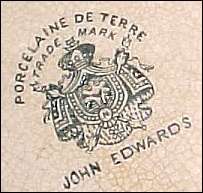
c. 1880–1891
Printed versions without ENGLAND are assigned to approximately 1880–1891.
printed · Fenton, England
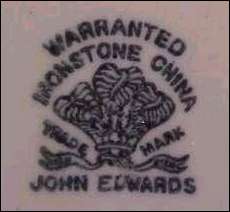
c. 1880–1891
Printed versions without ENGLAND are assigned to approximately 1880–1891.
printed · Fenton, England
The mark includes the Prince of Wales feathers.
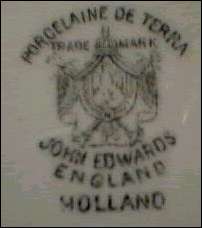
c. 1891–1900
Printed versions including ENGLAND are assigned to approximately 1891–1900.
printed · Fenton, England
Holland is the pattern name.
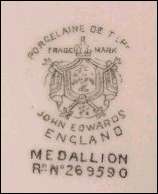
c. 1891–1900
Registration number 269590 dates the Medallion pattern to 22 January 1896, not the full period of mark use.
printed · Fenton, England
Medallion is the pattern name; printed marks including ENGLAND are assigned to approximately .
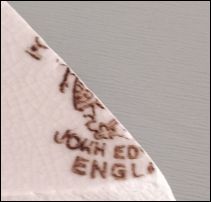
2024
green · England, United Kingdom
Fragmentary mark on a shard found on an Anglesey beach in ; the find date is not a mark-use date.
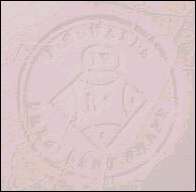
Undated
impressed · Fenton, England
President Shape impressed mark with a registration diamond.
John Edwards manufactured china and earthenware in Longton, moving to the King Street Works in Fenton around 1850. China production ended in 1856, while earthenware, semi-porcelain and white granite continued, much of it for American markets. His partnership with James Edwards ended in January 1865. The firm used & Co in its name between 1873 and 1879. Edwards patented methods for supporting ware during firing.
Also known as: John Edwards