
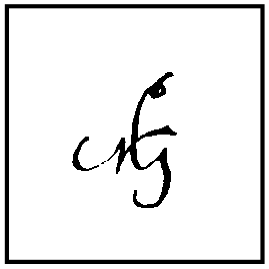
1769–1780
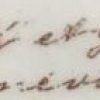
impressed · red · porcelain
impressed · red · porcelain · France
Red mark or body mark; the source does not specify which for this variant.
Pottery & porcelain
Luneville pottery marks belong to an earthenware tradition founded by Jacques Chambrette in 1728; the Saint-Clément works followed in 1758.
1769–1780
impressed · red · porcelain · France
Red mark or body mark; the source does not specify which for this variant.
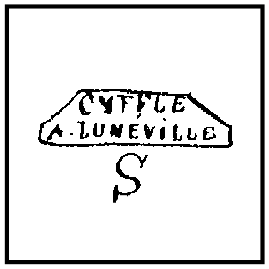
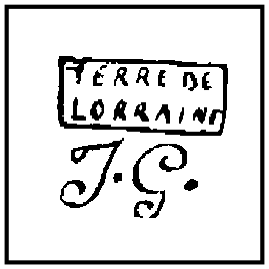
1769–1780
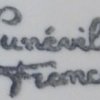
impressed, painted · red · porcelain · Lunéville, France
Mark is in the mass or drawn red mark.
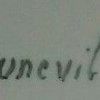
c. 1800–1899
Late nineteenth century; the source states that the exact date is unknown.
earthenware · Poland



c. 1800–1999
Late nineteenth to early twentieth century.
earthenware · Poland

c. 1800–1999
The source places this variant in the late 19th or early 20th century.
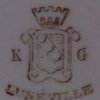
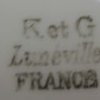
earthenware · Lunéville, France
K and G Luneville France late 19th and early 20th century mark.







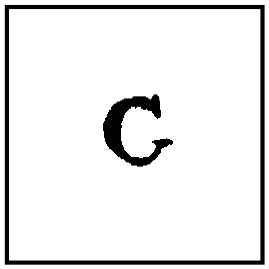
Jacques Chambrette established the first Lunéville earthenware factory in 1728. It became Manufacture Royale de Fayence in 1749 and developed terre de Lorraine. Chambrette established Saint-Clément in 1758. Keller and Guerrin revitalized the Lunéville business in the 19th century. Édouard Fenal bought Lunéville and Saint-Clément in 1922. Production at the former Lunéville factory stopped in 1981, while Saint-Clément continued.
Jacques Chambrette founded the Lunéville earthenware factory in 1728 and a second works at Saint-Clément in 1758. The firm developed terre de Lorraine earthenware and became known for figures and large animal models. Keller and Guérin developed the works during the nineteenth century. Édouard Fenal bought both factories in 1922; Lunéville production ended in 1981 while Saint-Clément continued.
Jacques Chambrette established the Lunéville earthenware factory in 1728 and a second factory at Saint-Clément in 1758. Keller and Guérin expanded the business in the nineteenth century. Édouard Fenal bought both factories in 1922. Production at the old Lunéville factory ended in 1981, while Saint-Clément continued.