
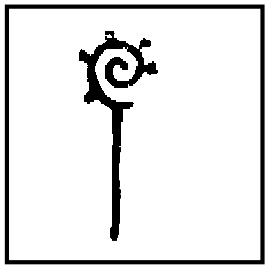
c. 1875–1999
printed, overglaze · dark blue · porcelain
printed, overglaze · dark blue · porcelain · Passau, Germany
Dark-blue marks printed on the glaze. End of the XIX—XX century.
Pottery & porcelain
Germany · 15 marks.
c. 1875–1999
printed, overglaze · dark blue · porcelain · Passau, Germany
Dark-blue marks printed on the glaze. End of the XIX—XX century.
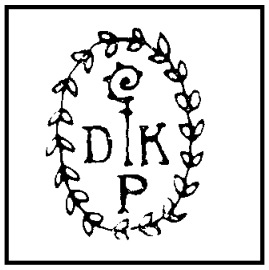
c. 1875–1999
printed, overglaze · dark blue · porcelain · Passau, Germany
The end of the XIX—XX century. Dark-blue mark printed on the glaze.
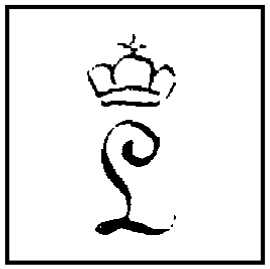
c. 1875–1999
printed, overglaze · dark blue · porcelain · Passau, Germany
End of the XIX—XX centuries. Dark-blue marks printed on the glaze.
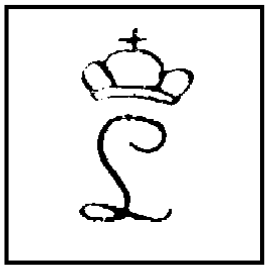
c. 1875–1999
printed, overglaze · dark blue · porcelain · Passau, Germany
End of the XIX—XX centuries. Dark-blue marks printed on the glaze.
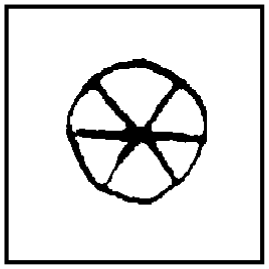
c. 1875–1999
printed, overglaze · dark blue · porcelain · Passau, Germany
Dark-blue marks printed on the glaze. End of the XIX—XX century.
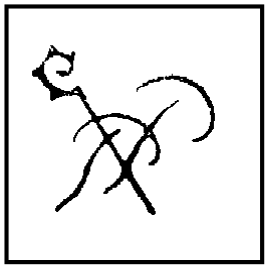
c. 1875–1999
printed, overglaze · dark blue · porcelain · Passau, Germany
Dark-blue mark printed on the glaze. End of XIX — XX centuries.

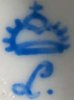

1907–1922
impressed · porcelain · Passau, Germany
Dressel, Kister & Cie bishop crosier Passau impressed mark
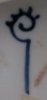
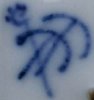
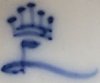
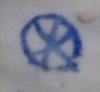
Undated
The mark was registered in 1903; this is not a complete use-date range.
porcelain · Passau, Germany
Passau mark registered in 1903, used on Hoechst replicas
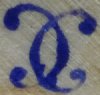
Undated
The mark was registered in 1903; this is not a complete use-date range.
porcelain · Passau, Germany
Passau mark registered in 1903
Dressel, Kister & Cie began when three associates, including Johann Friedrich Andreas Kister and Mr Dressel, bought the Passau factory in 1853. Around the beginning of the twentieth century it acquired about 350 moulds from the closed Höchst manufactory. Figurines made from these moulds commonly bear the Höchst wheel, sometimes with D or a bishop’s crook. Rudolf Lenck acquired the factory in 1900, and Wilhelm and Rudolf Lenck managed it from 1903.
Lina Lenck owned it from 1913 to 1922, when it became a branch of Aelteste Volkstedter. It went bankrupt in 1936, was bought by the city and renamed Porzellanfabrik Passau, and was destroyed and looted at the end of the Second World War.