
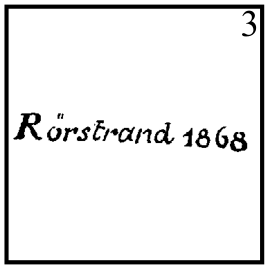
c. 1700–1899
dark blue or black · porcelain and earthenware
dark blue or black · porcelain and earthenware · Sweden
Shared caption identifies numbered examples 1–3 as eighteenth to nineteenth century, drawn dark-blue underglaze or black marks.
Pottery & porcelain
Rorstrand marks are associated with figurines and porcelain from Sweden. Rorstrand marks include “Rörstrand” on porcelain and earthenware.
c. 1700–1899
dark blue or black · porcelain and earthenware · Sweden
Shared caption identifies numbered examples 1–3 as eighteenth to nineteenth century, drawn dark-blue underglaze or black marks.
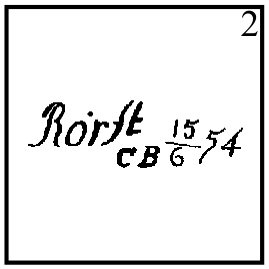
c. 1700–1899
dark blue or black · porcelain and earthenware · Sweden
Shared caption identifies numbered examples 1–3 as eighteenth to nineteenth century, drawn dark-blue underglaze or black marks.
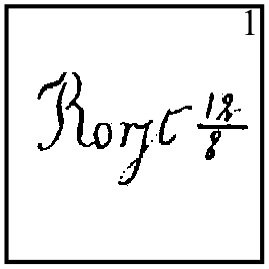
c. 1700–1899
painted, underglaze · dark blue or black · porcelain, faience · Sweden
Caption identifies variants 1–3 as 18th–19th-century marks; 1797 is the start of porcelain production.
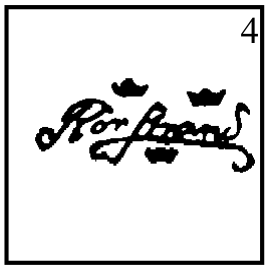
c. 1900–1999
printed · black · porcelain and earthenware · Sweden
Twentieth-century printed black variant.
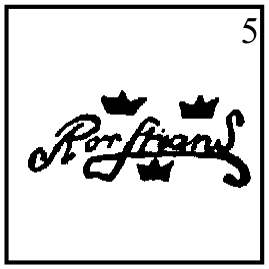
c. 1900–1999
printed · black · porcelain and earthenware · Sweden
Numbered example 5 belongs to the caption’s twentieth-century printed black group.
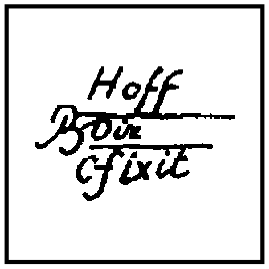
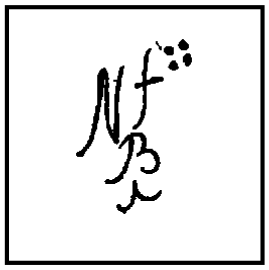
Undated
lilac · faience · Sweden
1727 refers to the establishment of production.
Rörstrand was founded near Stockholm in 1726 by Baron Adelfeld. Faience production flourished under Magnus Ingman in the 1740s–1750s, initially imitating East Asian and Delft wares and later Rouen. Porcelain production began after B. R. Geyer acquired the factory in 1797. New bodies and underglaze painting supported renewed growth in the late 19th and early 20th centuries. The factory moved to Gothenburg in 1926 while retaining its name and joined Uppsala-Ekeby in 1964.
Rörstrand was founded near Stockholm in 1726. Faience production flourished under Magnus Ingman in the 1740s and 1750s, and porcelain manufacture began in 1797 after B. Geyer acquired the works. The factory moved to Gothenburg in 1926 while retaining its name and entered the Uppsala-Ekeby group in 1964. It produced tableware and decorative ceramics. Faience production flourished under Magnus Ingman in the 1740s and 1750s; porcelain production began in 1797.
The factory moved to Gothenburg in 1926 while retaining its name, and joined Uppsala-Ekeby in 1964.