
Pottery & porcelain
Rose Cabat marks
22 marks.
- Products
- earthenware, porcelain, stoneware
- Marks
- 22
Dated marks & timeline
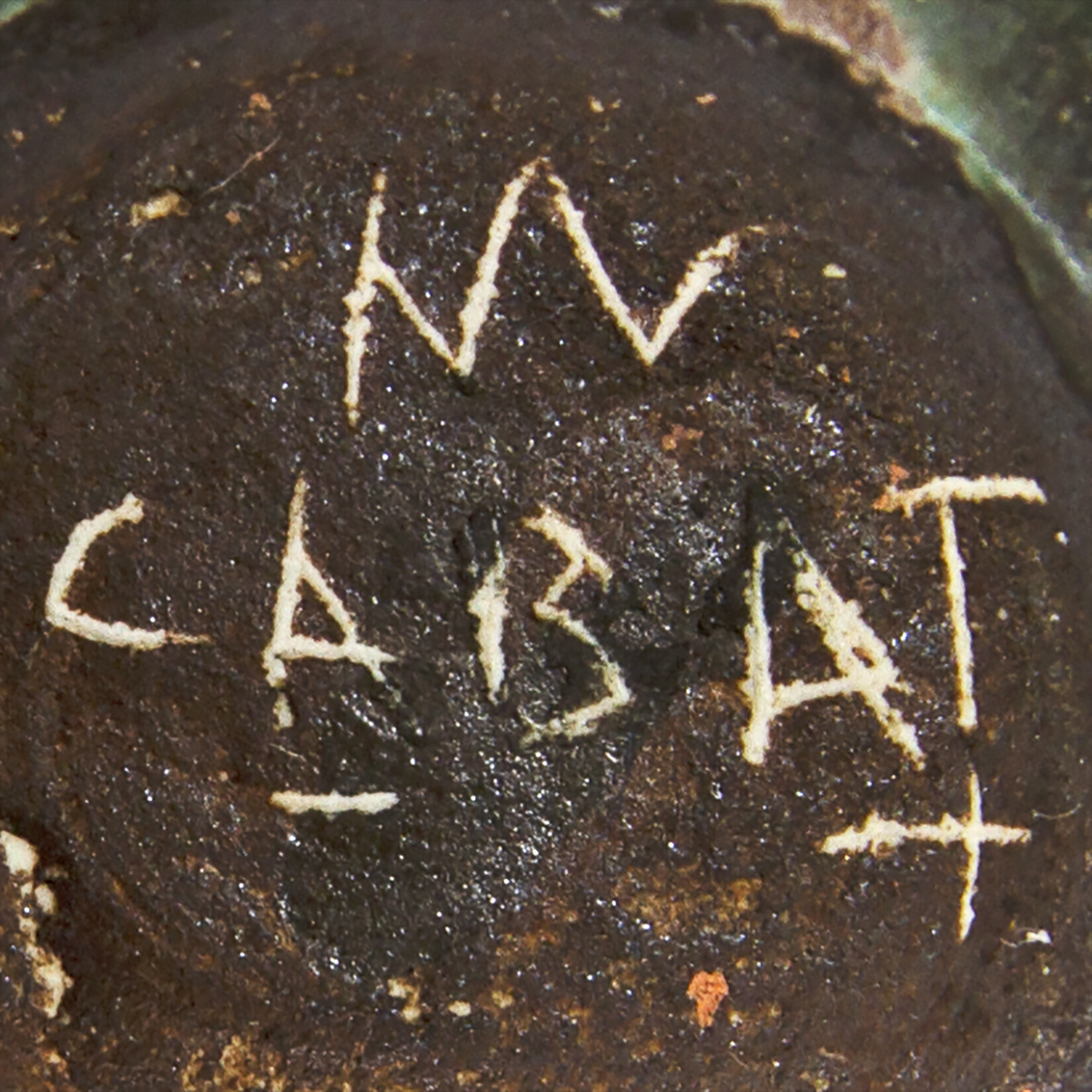
22 marks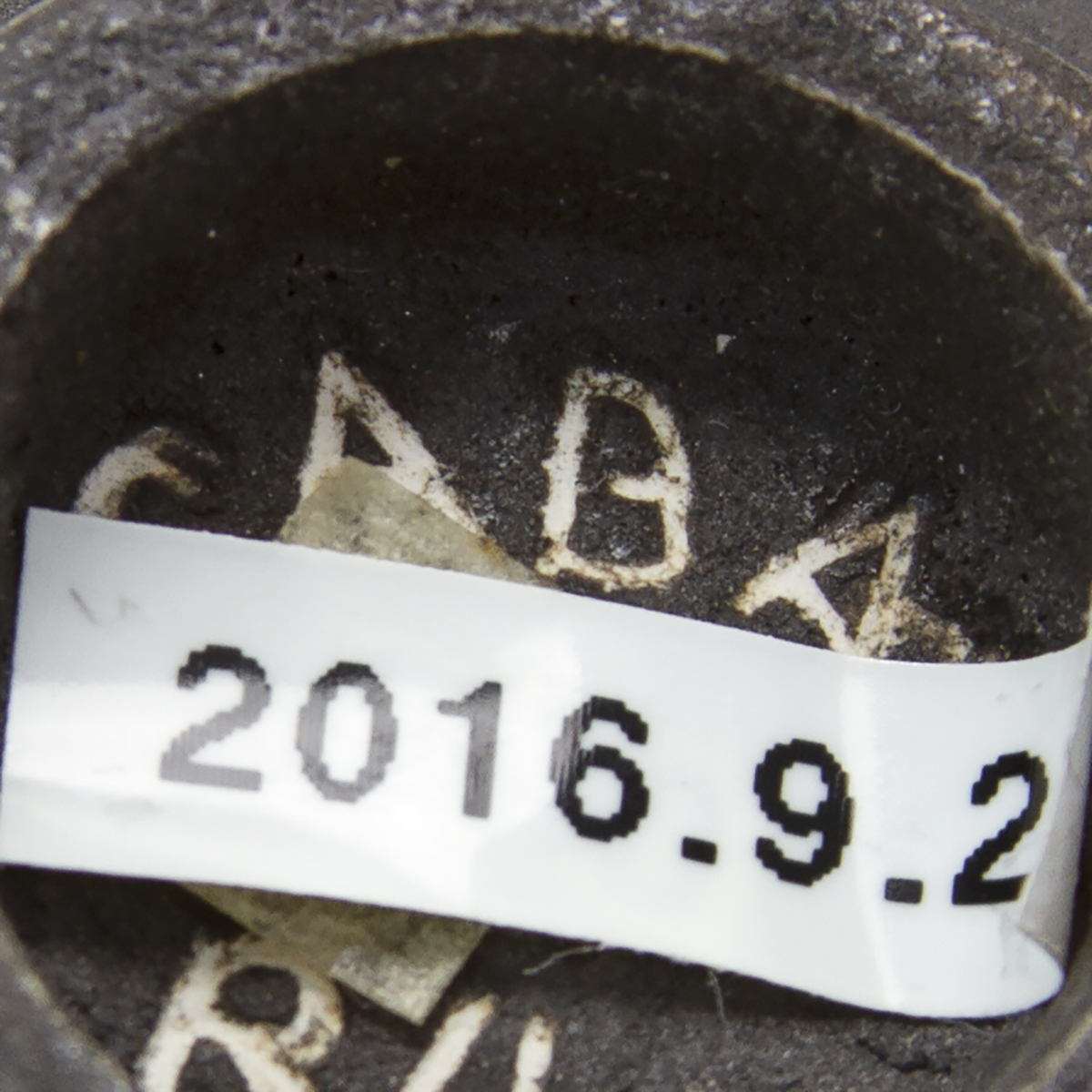
Undated
porcelain
porcelain
Photographed object: Small Feelie Form: Vase Materials: Method: Thrown Surface Technique: Glaze
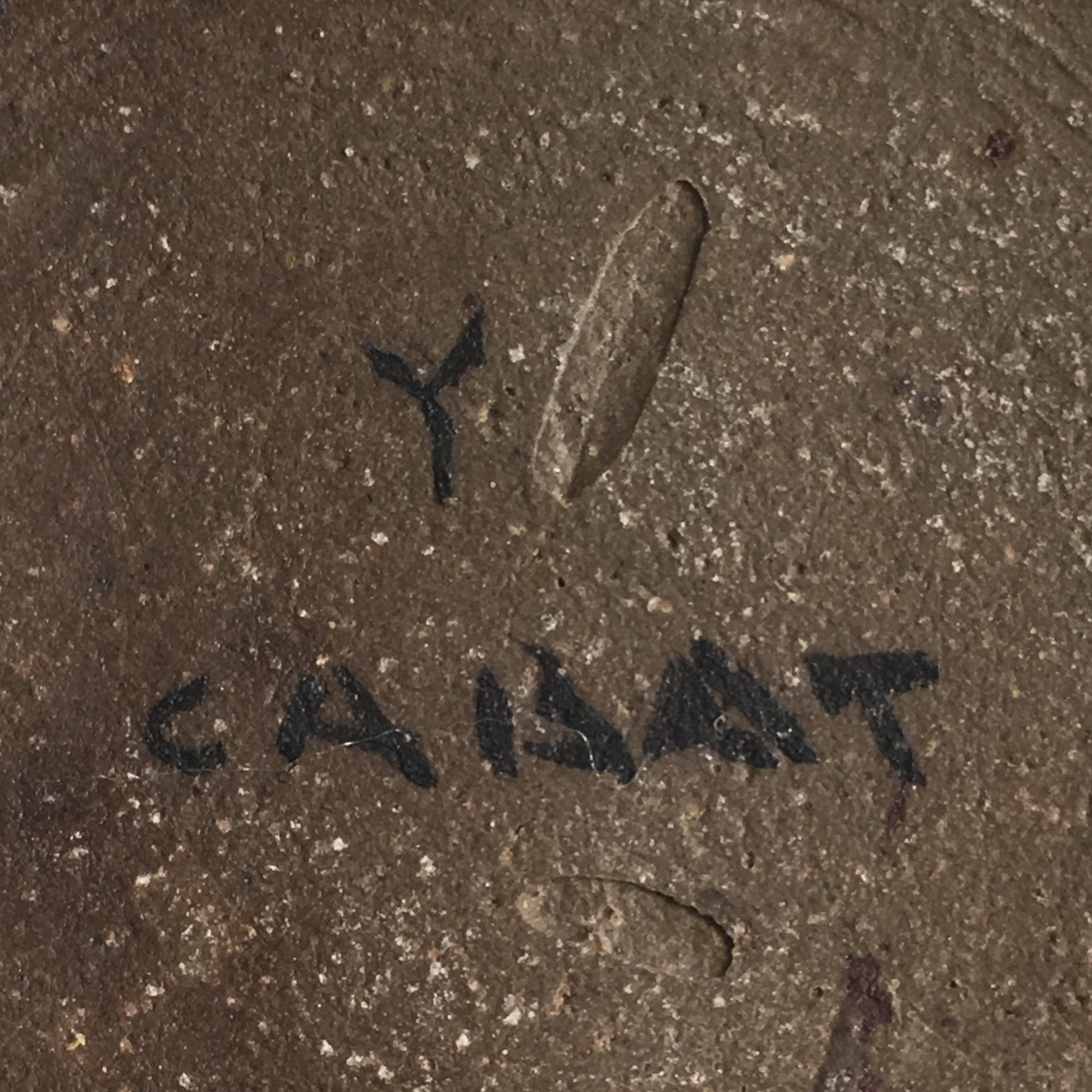
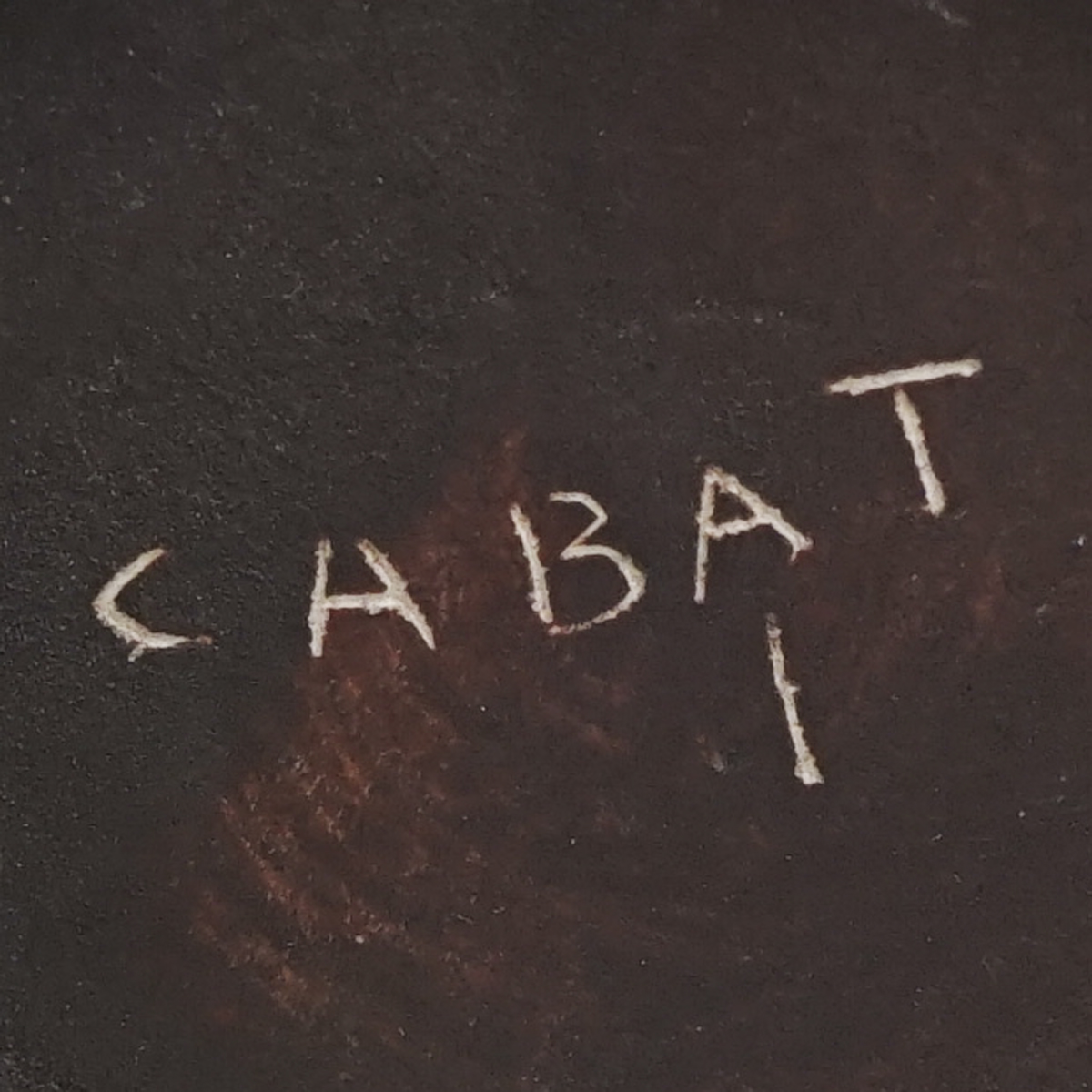
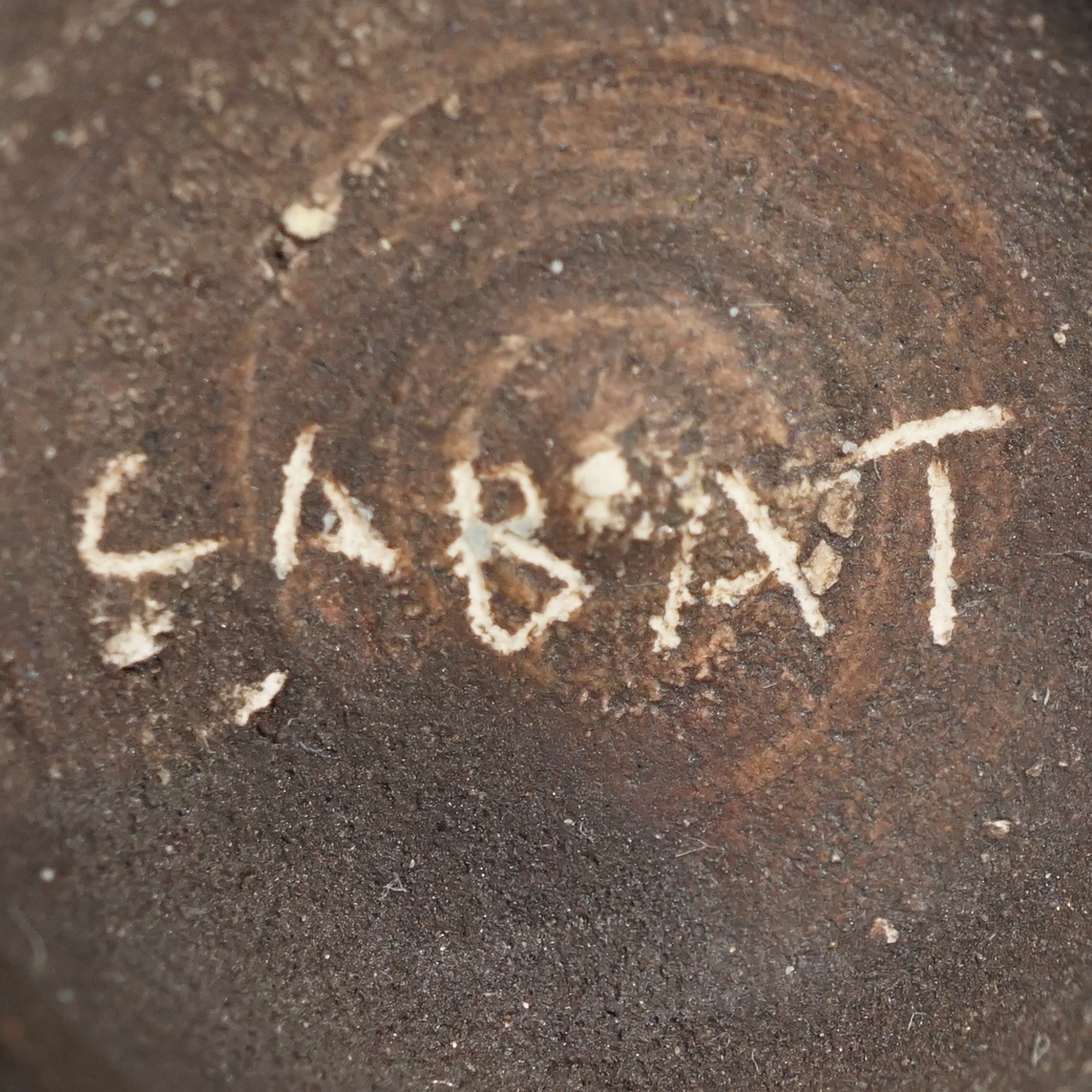
Undated
CABAT
porcelain
Photographed object: Feelie Form: Vase Materials: Method: Thrown Surface Technique: Glaze
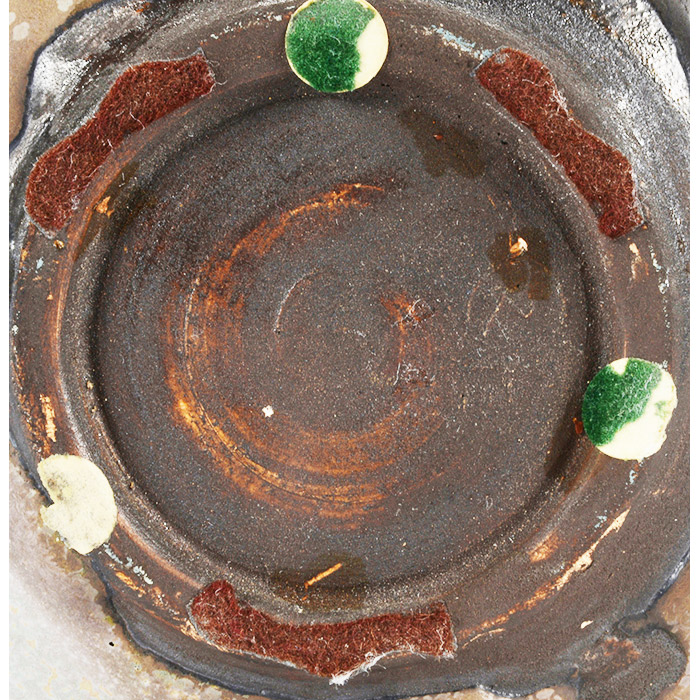
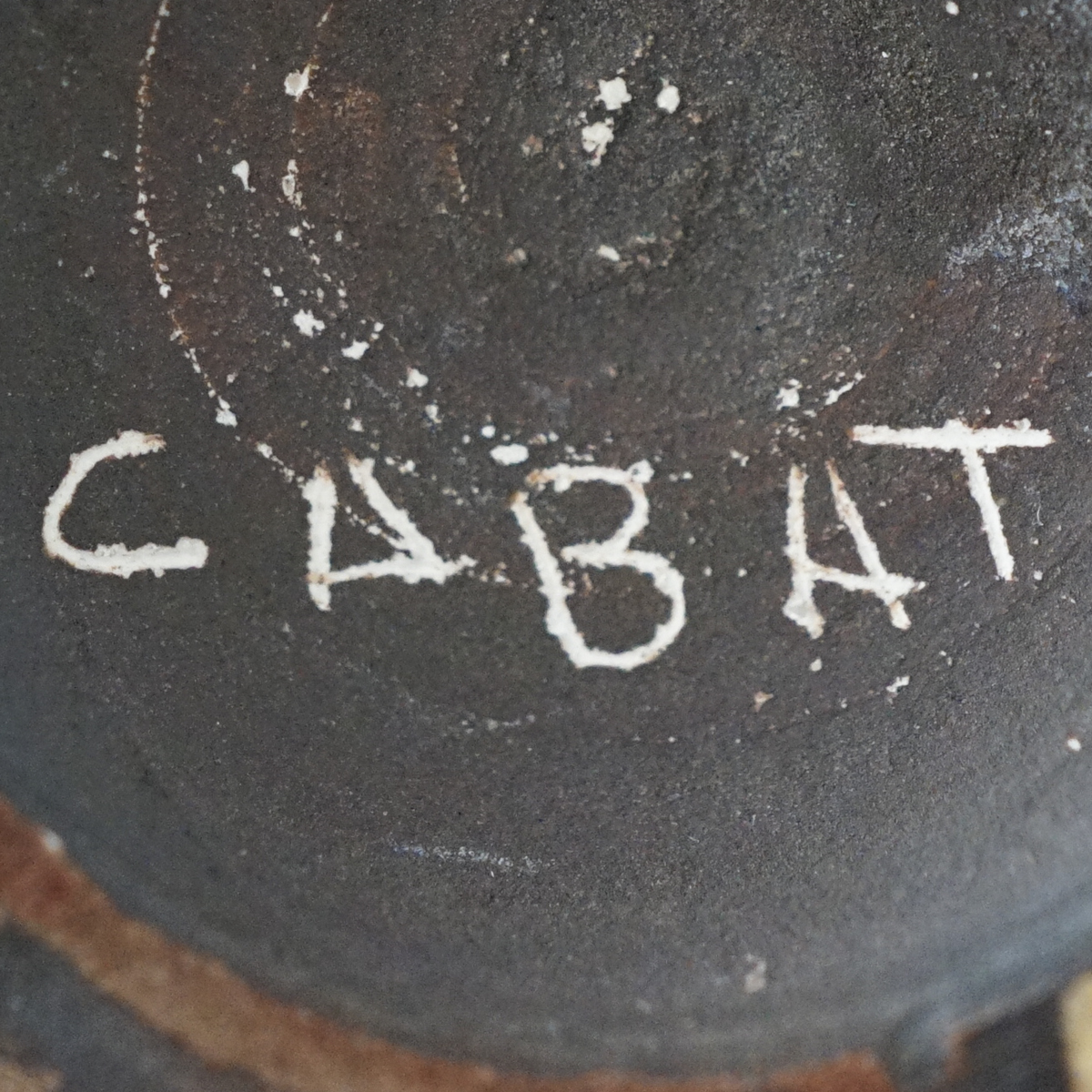
Undated
CABAT
porcelain
Photographed object: Feelie Form: Vase Materials: Method: Thrown Surface Technique: Glaze , Matt Glaze
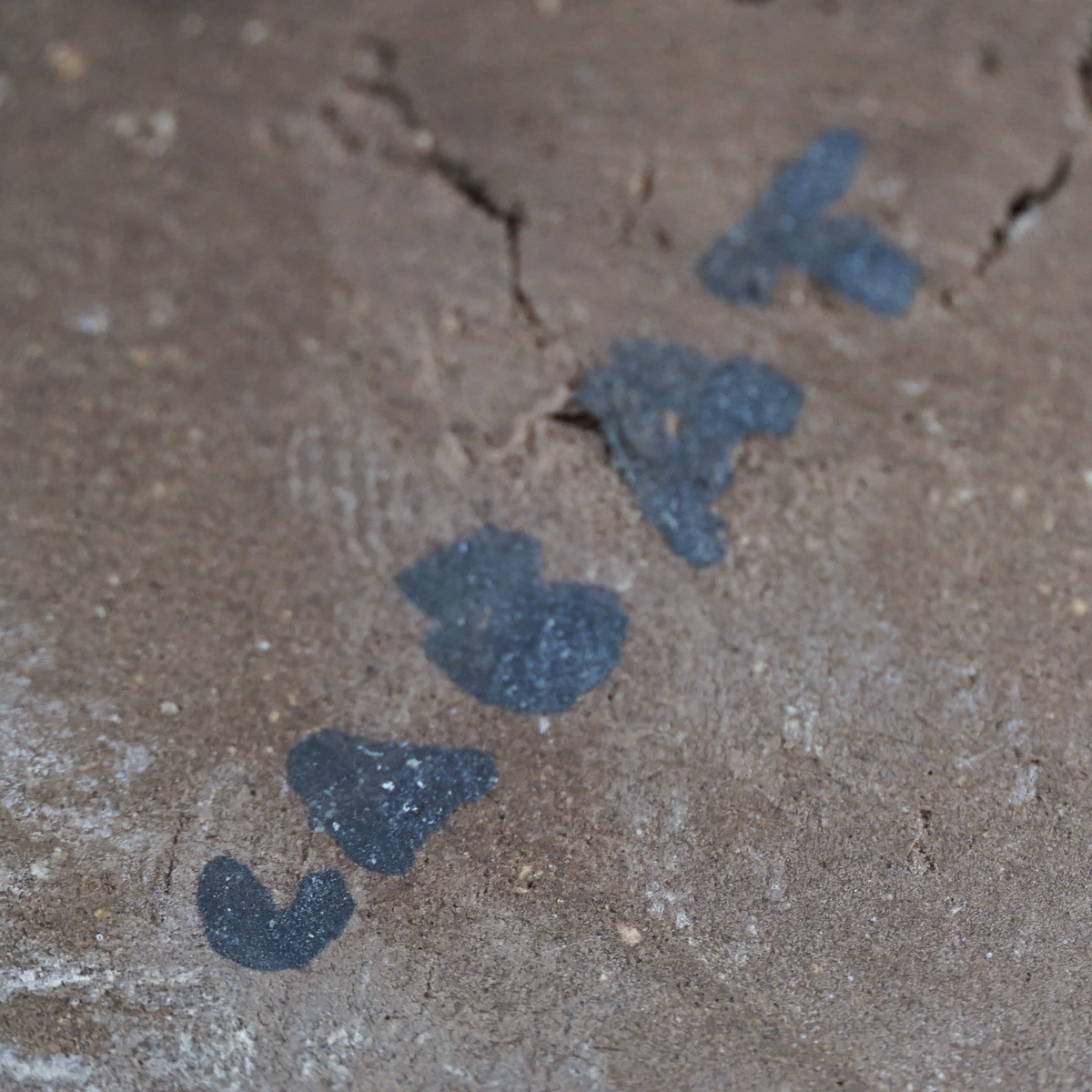
Undated
CABAT
Source example dated Date: 1979; this is not a mark-use interval.
stoneware
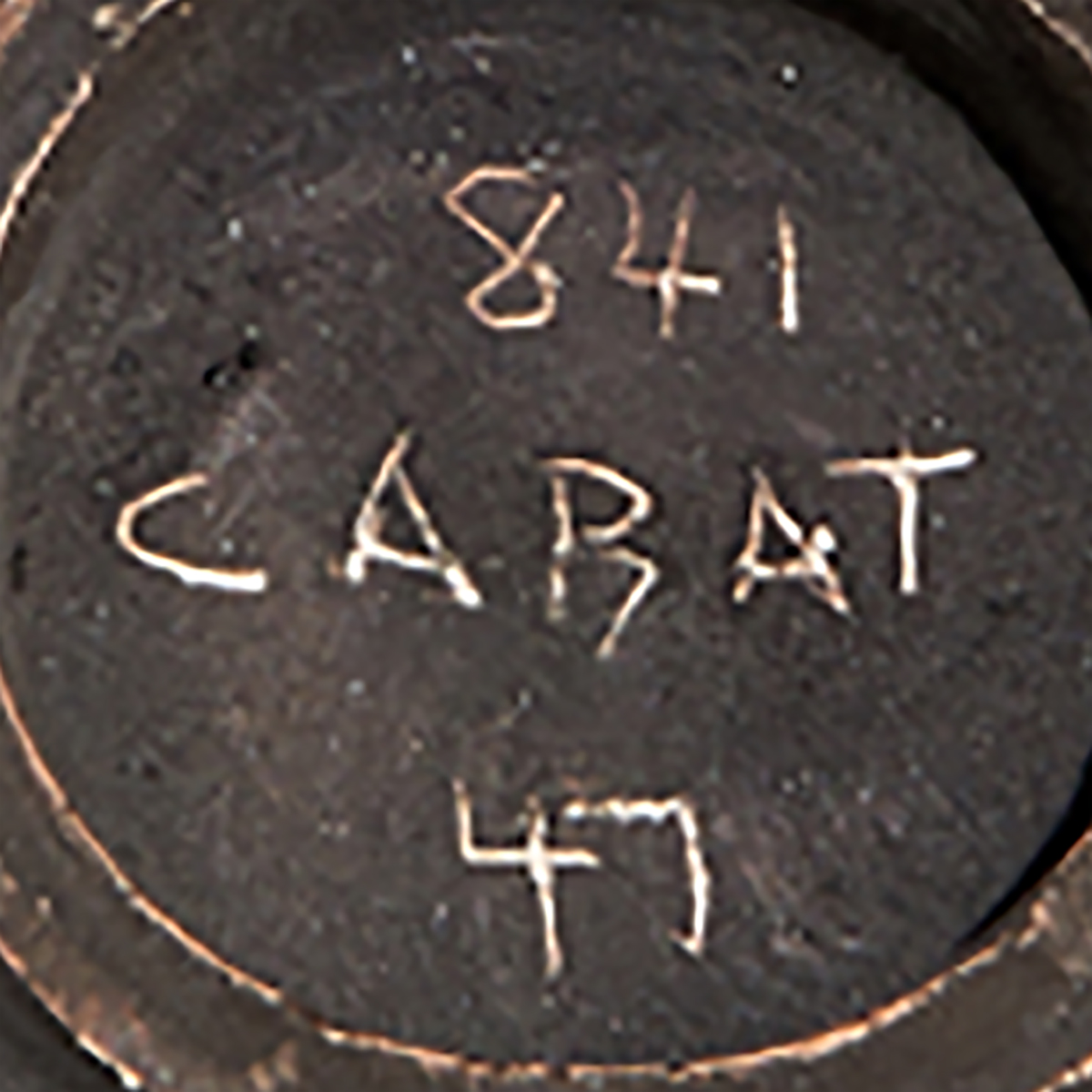
Photographed object: Bottle Date: 1979 Materials: Method: Thrown Dimensions: 0.2 inches in diameter
Undated
841 CABAT 47
porcelain
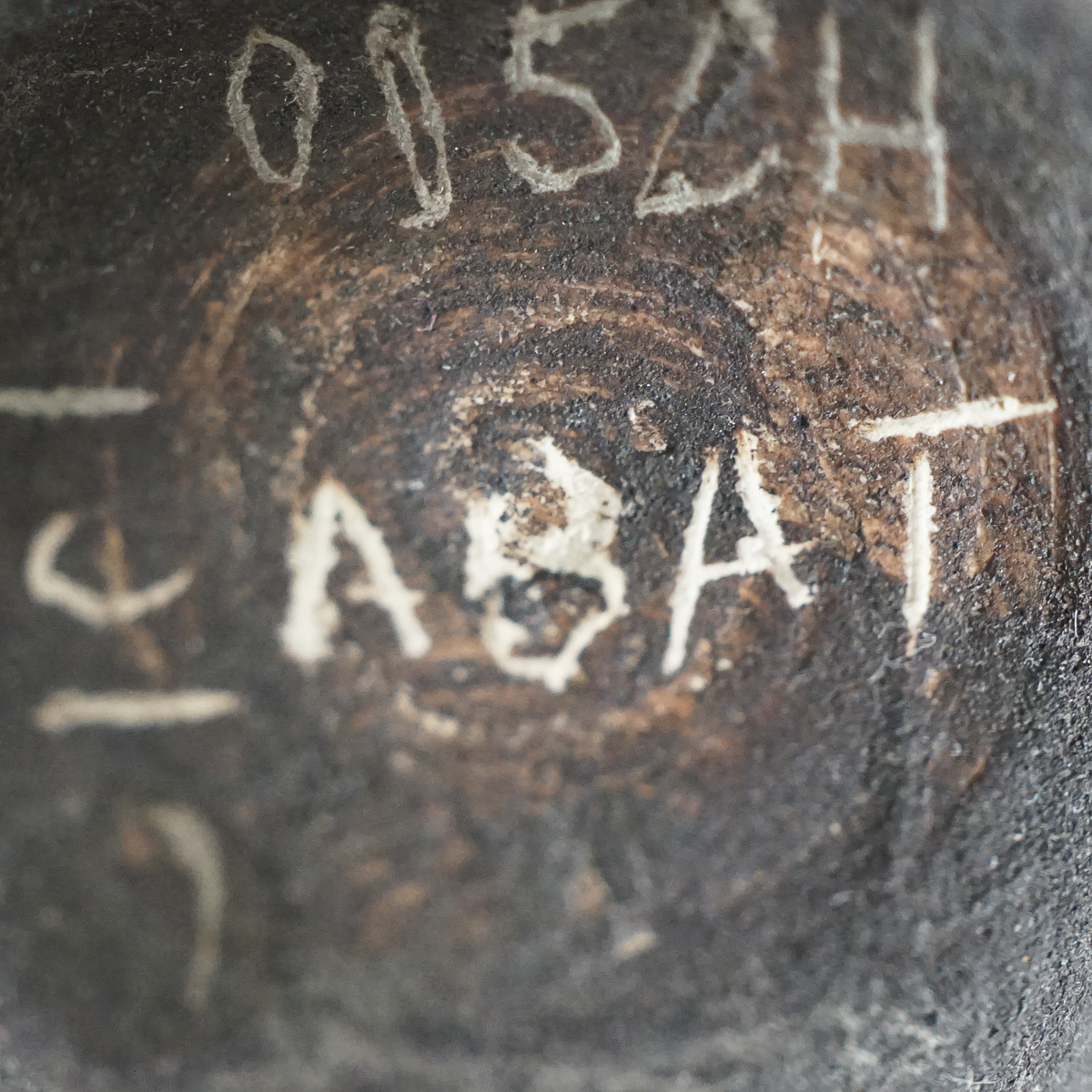
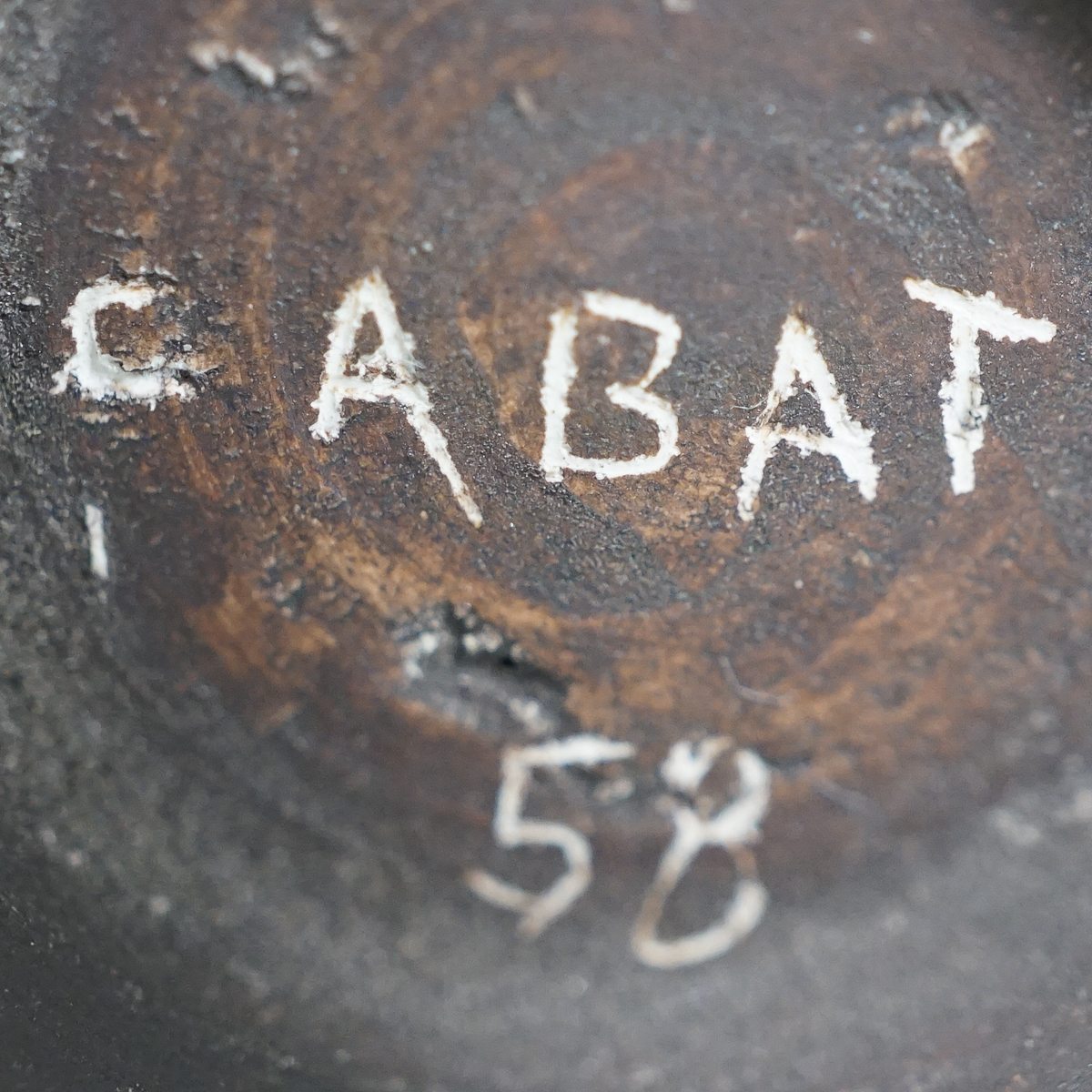
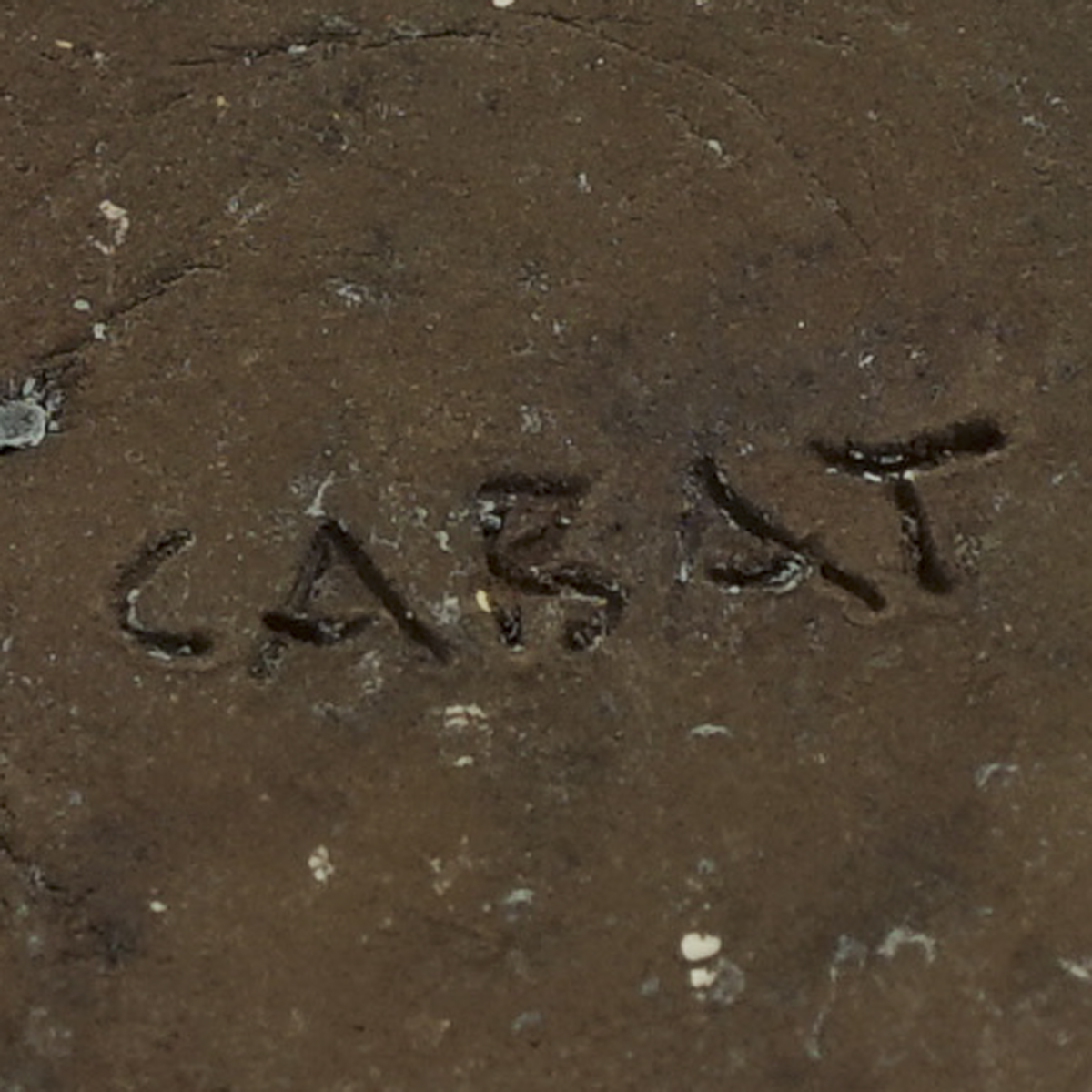
Photographed object: Bowl Materials: Method: Thrown Surface Technique: Glaze
Undated
CABAT
porcelain
Photographed object: Feelie Form: Vase Materials: Method: Thrown Surface Technique: Glaze
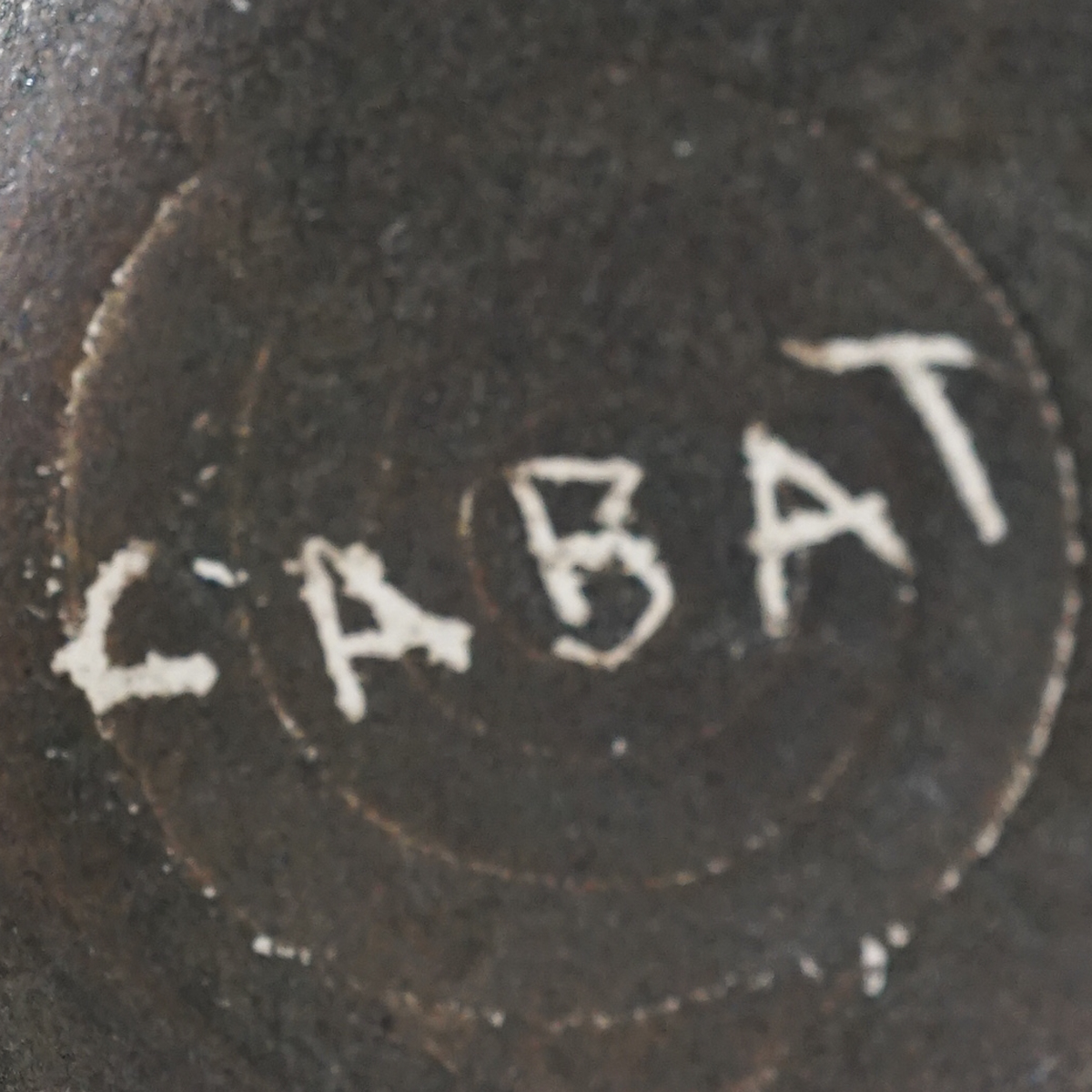
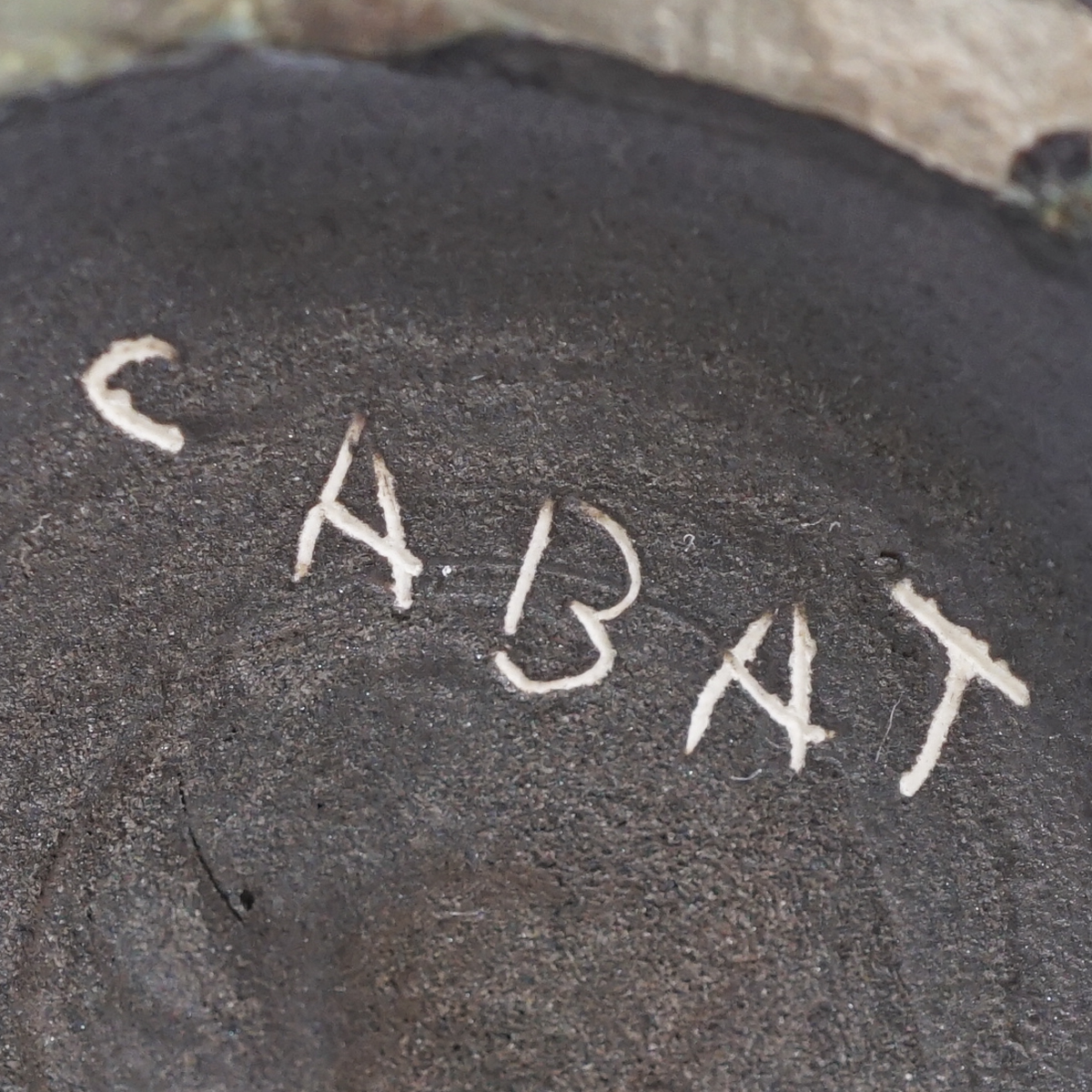
Undated
CABAT
porcelain
Photographed object: Feelie Form: Vase Materials: Method: Thrown Surface Technique: Glaze
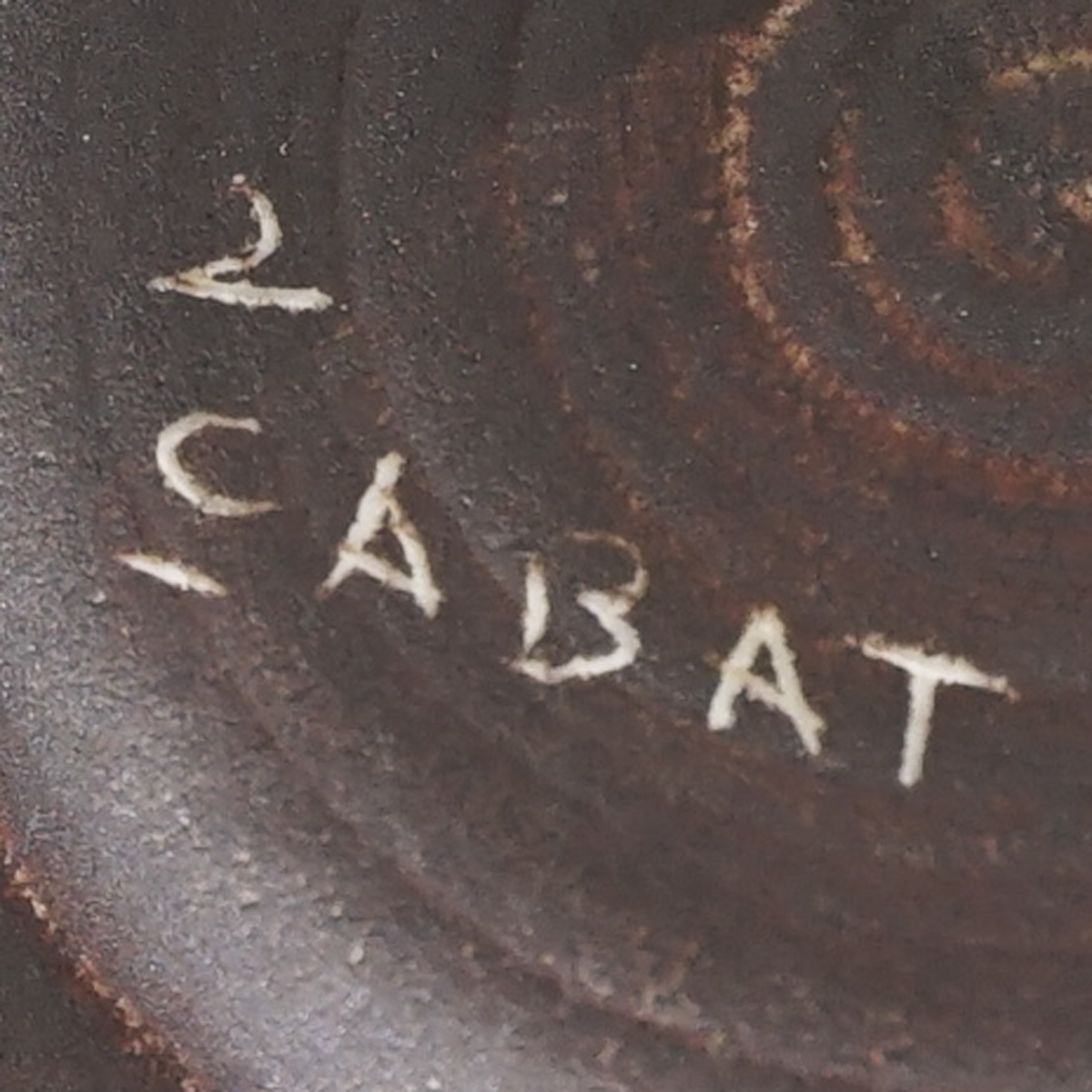
Undated
2 CABAT
porcelain
Photographed object: Feelie Form: Vase Materials: Method: Thrown Surface Technique: Glaze
Undated
stoneware
Source example dated Date: ca 1960; this is not a mark-use interval.
stoneware
Photographed object: Vase with Faces Date: ca 1960 Form: Vase Materials: Method: Thrown and Altered Surface Technique: Carved , Glaze
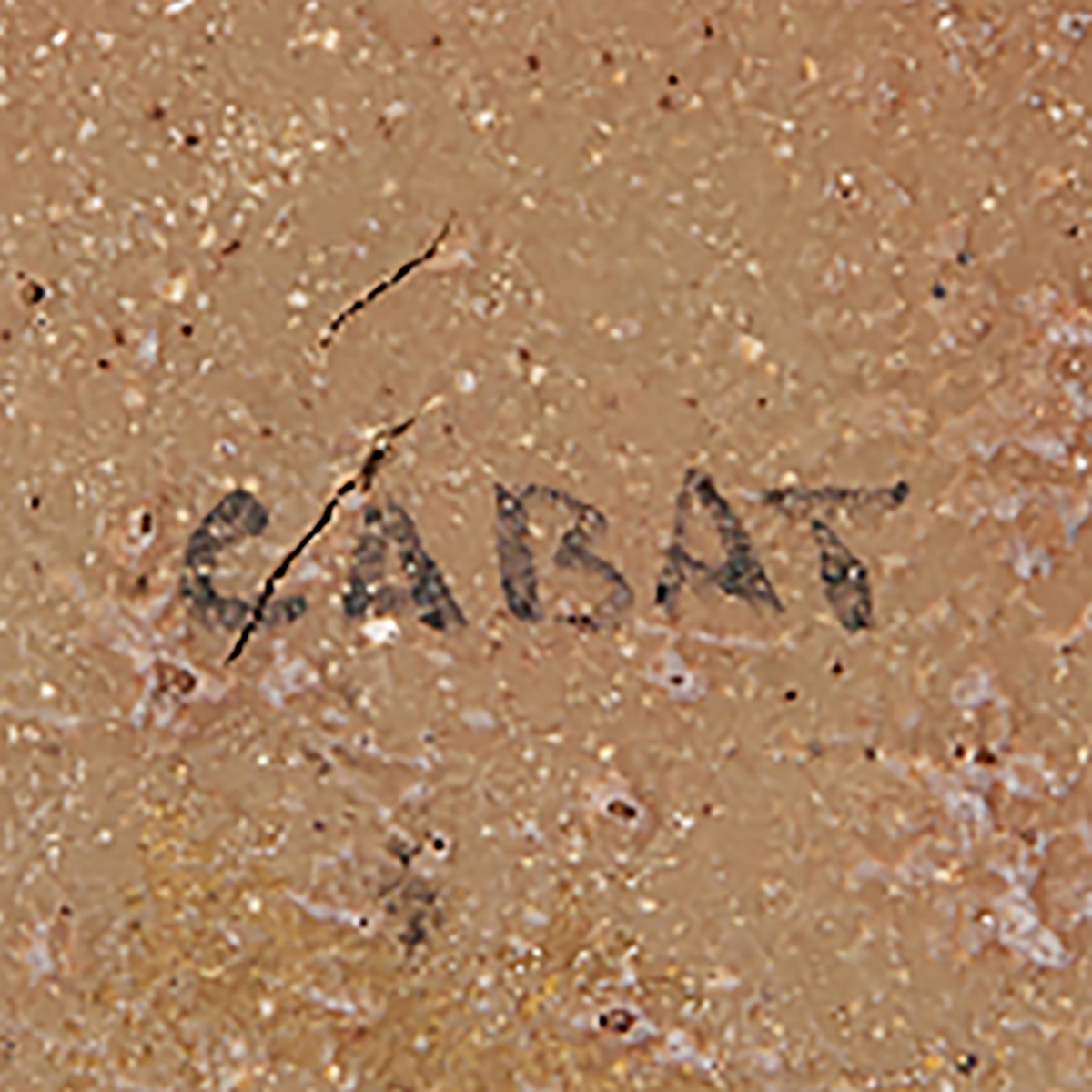
Undated
CABAT
porcelain
Photographed object: Vase Materials: Method: Thrown Surface Technique: Carved , Glaze
About Rose Cabat
Rose Cabat (1914–2015) began working with clay in 1940 and developed from coil-building to wheel-throwing. She worked in earthenware, stoneware and, from the 1950s, porcelain. She is best known for small rounded “feelies” with narrow openings and lustrous satin glazes developed with her husband Erni after a glaze-calculation class in Hawaii in 1956. Her other forms included wind-bells and works based on animals and insects.