
Pottery & porcelain
Royal Dux marks
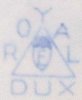
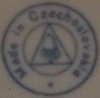
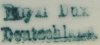
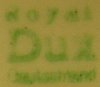
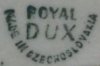
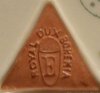
The name “Royal Dux Made in Czechoslovakia” appears among Royal Dux marks on porcelain from Czechoslovakia. Its mark period is 1960–1978.
- Active years
- From 1853
- Country
- Czech Republic
- City / region
- Dux (Duchcov)
- Products
- porcelain, porcelain figures, decorative vases and bowls, terracotta, faience, majolica
- Marks
- 21
Factory tradition from 1853; successive companies and later Český porcelán ownership. Earlier country names include Austria and Czechoslovakia.
What to look for
- Read the centre letter, surrounding country wording and application together. E, D and M distinguish different variants.
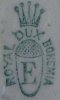
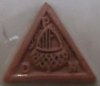
- A raised pink clay triangle differs from a printed triangle or a foil sticker. The acorn and ROYAL DUX BOHEMIA wording recur in several periods.
- CZECH REPUBLIC wording identifies production from 1993 onward. The 1853 foundation date and impressed model numbers are not manufacture years.
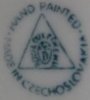
- Compare the model as well as the marks. A museum example of Ježek’s Bull, about 1963, combines an applied D triangle with a green HAND PAINTED MADE IN CZECHOSLOVAKIA stamp.
Dated marks & timeline
21 marks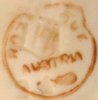
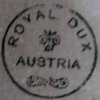



1970–1992
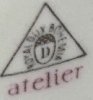
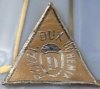
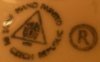
Hand Made in Czechoslovakia Royal Dux Bohemia
painted · porcelain · Czechoslovakia
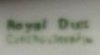
Hand Painted Made in Royal Dux Bohemia mark
From 1993
Royal Dux Hand
printed · porcelain · Czech Republic
HAND PAINTED / MADE IN CZECH REPUBLIC print with the registered-symbol design, used from 1993; it has no 150th-anniversary inscription.
Undated
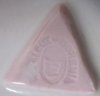
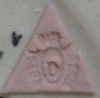
D
The impressed D variant dates from 1951.
impressed · pink · porcelain · Dux (Duchcov)
Pink trangle Royal Dux Bohemia with impressed mark used
About Royal Dux
Royal Dux grew from a ceramics factory established in Duchcov, then called Dux, in 1853. Eduard Eichler acquired the works in 1860 and traded as E. Eichler Thonwaren-Fabrik. Terracotta, faience and majolica preceded the porcelain figures for which the name later became known. The business expanded under Eichler’s family and successors and became Duxer Porzellan-Manufaktur A.G. near the end of the nineteenth century.
Art Nouveau was an important period, with modeller Alois Hampel contributing figures and elaborate decorative vessels. The factory received the Grand Prix at St Louis in 1904. The applied pink triangle, with Royal Dux Bohemia wording and an acorn emblem, dates from around 1900. Its continued use means that the triangle alone does not date a figure to that period.
Production survived both world wars and continued with existing models as well as new designs. Jaroslav Ježek’s modern forms contributed to its postwar identity. The company adopted the Royal Dux Bohemia corporate name in 1992 and joined the Český porcelán group in 1997. Later work includes both realistic figures and simplified decorative porcelain.
Also known as: Duxer Porzellanfabrik · E. Eichler Thonwaren-Fabrik · Duxer Porzellan-Manufaktur A.G. · Porcelánová manufaktura Royal Dux Bohemia · Royal Dux Bohemia
Look-alikes & how to tell them apart
Later Royal Dux made from historic models
Old forms and the pink triangle continued in production.
Check the full printed country mark and central letter; CZECH REPUBLIC, modern stickers and anniversary additions identify later versions. An Art Nouveau model can be a later casting.
Imitation Royal Dux triangles
A triangle painted pink can imitate the applied factory pad.
Check for a separately applied clay triangle pad, then compare its moulding and lettering with other factory marks. PM&M illustrates a poorly formed in-mould triangle simply painted pink.