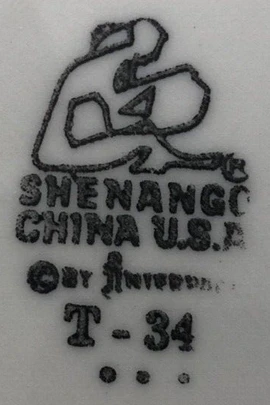
About Shenango China
Shenango China was produced in New Castle, Pennsylvania, by a business founded in 1901. Its early years included financial difficulties and reorganisations. James Smith led a new ownership group in 1909, and the company purchased the neighbouring New Castle pottery in 1912. After a flood delayed the enlarged plant’s opening, production resumed there in May 1913. Hotels, restaurants and institutions became its principal market.
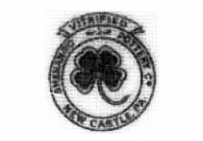
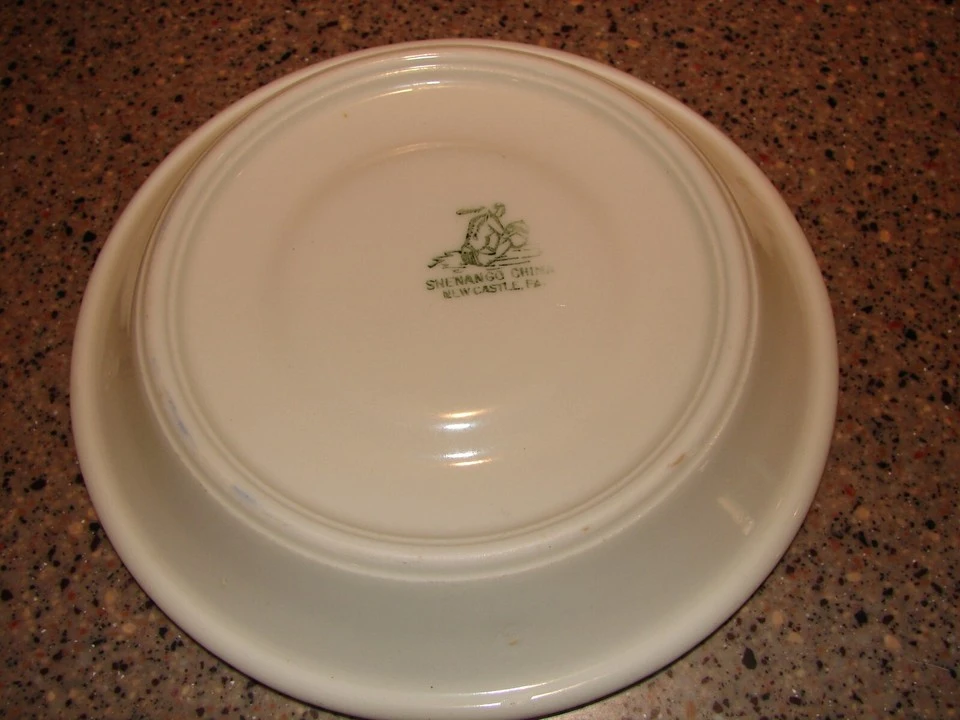
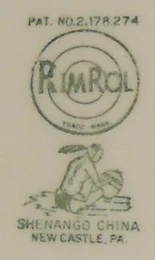
The factory made decorated and plain commercial china, often carrying a customer’s name or emblem. From 1936 it also manufactured Theodore Haviland dinnerware for the American market. Castleton became another important part of the business, producing fine dinnerware that included Eva Zeisel’s Museum shape. The company’s seated-potter emblem appeared in many forms, while product names such as RimRol and Inca Ware distinguished particular lines.
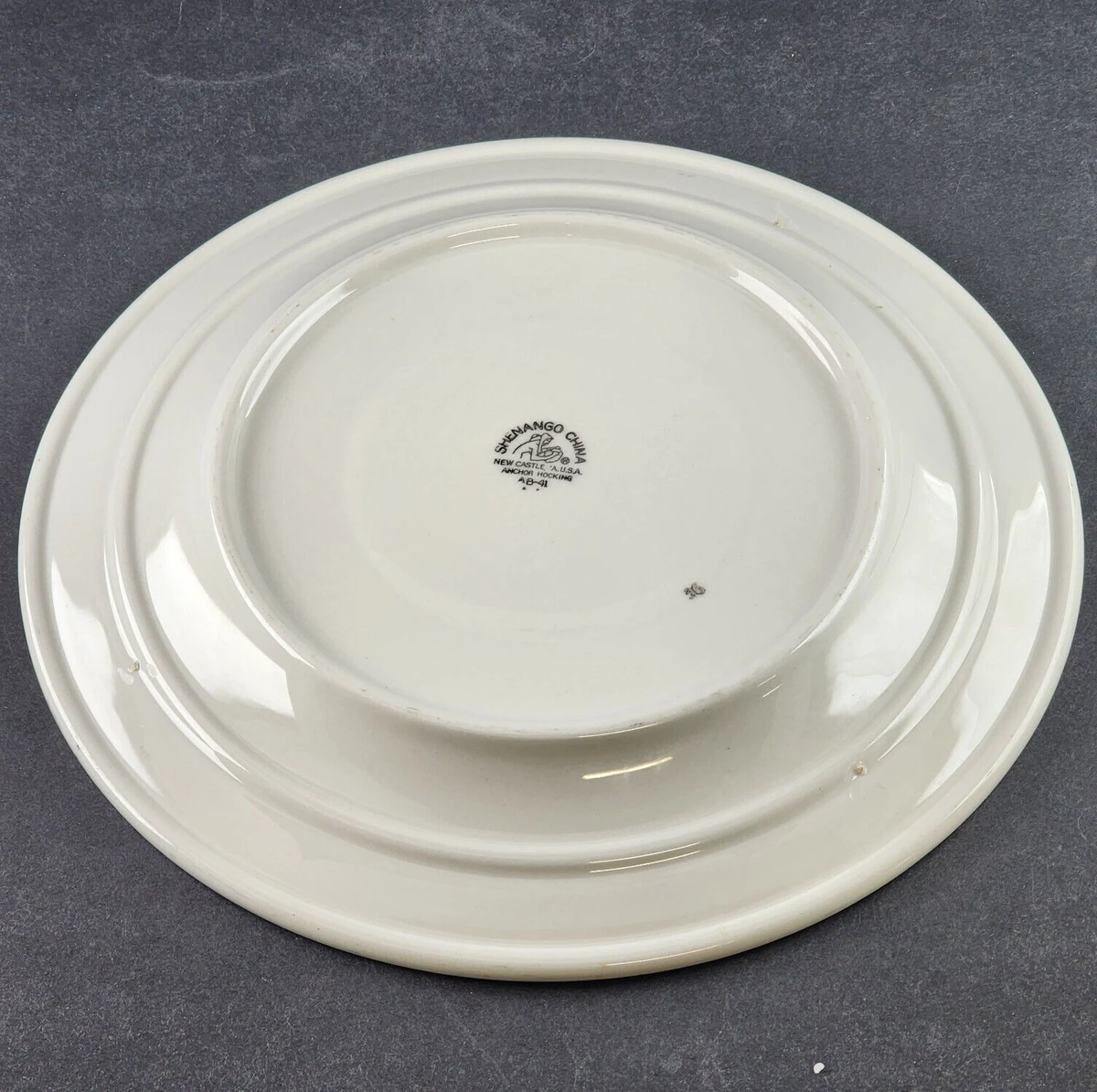
The corporate name changed to Shenango China, Inc. in 1954. Interpace acquired the business in 1968 and sold the plant to Anchor Hocking in 1979. Further transfers brought it under Newell, Canadian Pacific and then Pfaltzgraff. The New Castle china plant closed in December 1991, and its equipment was auctioned the following year. Shenango-branded china subsequently continued to be made at Syracuse, so the factory closure does not date every object bearing the name.