
Pottery & porcelain
Volkstedt marks
Volkstedt marks are associated with figurines and porcelain from Thuringia, Germany. Volkstedt marks include dated examples from 1762–1999.
- Active years
- From 1762
- Country
- Germany
- City / region
- Thuringia
- Products
- figurines, porcelain
- Marks
- 65
Dated marks & timeline
65 marks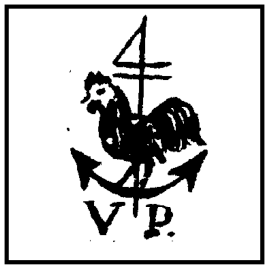
c. 1800–1899
V P
Described as late nineteenth century; drawn and printed variants occur.
porcelain · Thuringia, Germany

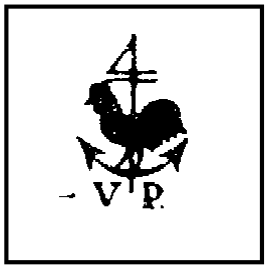
c. 1800–1899
VP
Dated to the end of the nineteenth century.
painted, printed · porcelain · Thuringia, Germany
Drawn and printed mark. End of the XIX century.

c. 1800–1999
ENS
Karl Ens ownership period, dated to the late nineteenth and early twentieth centuries.
painted, printed · porcelain · Thuringia, Germany
Drawn and printed marks. Period of ownership by Karl . Late XIX — early XX century.
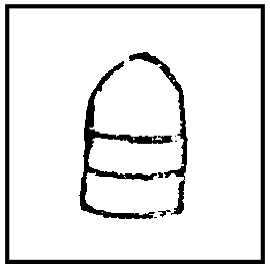
c. 1800–1999
printed · porcelain
printed · porcelain · Thuringia, Germany
Printed imitation of a Vienna factory mark.
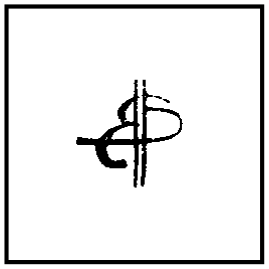
c. 1800–1999
painted, printed · porcelain
Karl Ens ownership period, dated to the late nineteenth and early twentieth centuries.
painted, printed · porcelain · Thuringia, Germany
Karl Ens period mark.
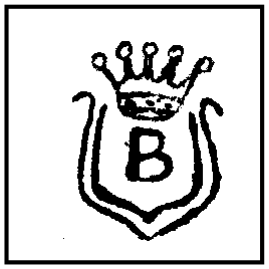
c. 1800–1999
B
Bauer & Bode factory mark, placed at the end of the 19th or beginning of the 20th century.
porcelain · Thuringia, Germany
Bauer & Bode Factory The end of XIX — the beginning of XX c.
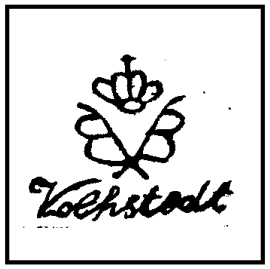
c. 1800–1999
BV Volkstedt
porcelain · Thuringia, Germany
Bauer & Bode factory mark, dating to the late nineteenth or early twentieth century.
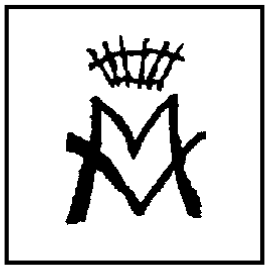
c. 1800–1999
MM
Miller & Co. factory mark, dated to the late nineteenth and early twentieth centuries.
porcelain · Thuringia, Germany
Miller and Co. factory. End of XIX — early XX century.
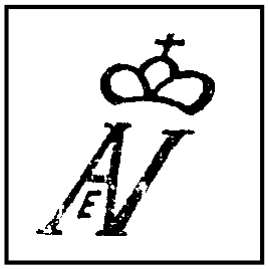
c. 1800–1999
AV
printed · porcelain · Thuringia, Germany
Painted or printed mark at the end of the 19th or beginning of the 20th century.
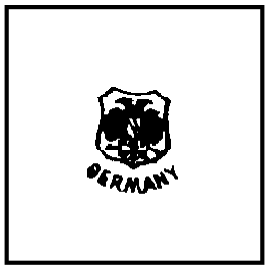
c. 1800–1999
GERMANY
The printed mark is placed at the end of the 19th or beginning of the 20th century.
printed · porcelain · Germany
Printed mark. End of XIX — early XX century.

c. 1800–1999
F
printed · porcelain · Germany
Painted or printed mark, dated to the end of the 19th or the 20th century.
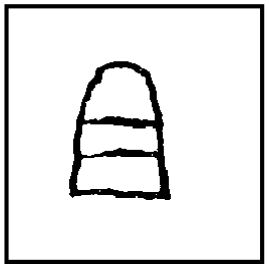
c. 1800–1999
printed · porcelain
printed · porcelain · Thuringia, Germany
Imitation of Vienna factory marks.
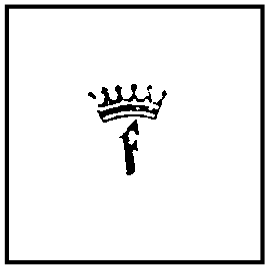
c. 1800–1999
f
Drawn or printed variants, broadly dated to the end of the nineteenth to twentieth century.
porcelain · Germany
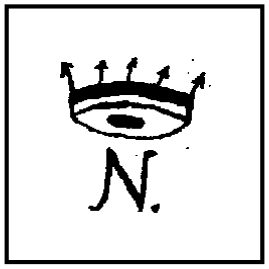
c. 1800–1999
N.
Imitation of a Naples factory mark, dated to the late nineteenth and early twentieth centuries.
painted, underglaze · blue · porcelain · Thuringia, Germany
Blue marks drawn under the glaze, imitation of marks of the factory in Naples. End of XIX — early XX century.
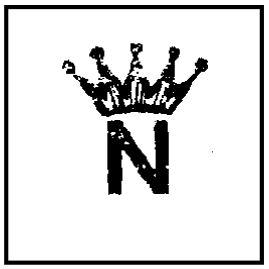
c. 1800–1999
N
This imitation Naples mark dates to the late nineteenth or early twentieth century.
painted, underglaze · blue · porcelain · Thuringia, Germany
Blue marks drawn under the glaze, imitation of marks of the factory in Naples. End of XIX — early XX century.

c. 1800–1999
MZ
porcelain · Thuringia, Germany
Miller & Co factory, described as late nineteenth to early twentieth century.
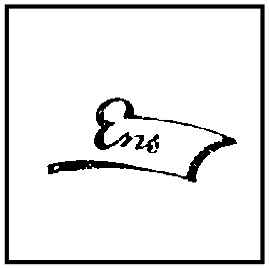
c. 1800–1999
Ens
Karl Ens ownership period, dated to the late nineteenth and early twentieth centuries.
painted, printed · porcelain · Thuringia, Germany
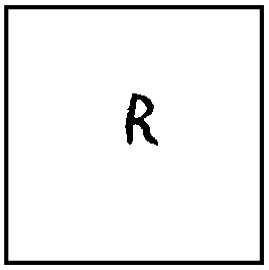
1820–1850
R
underglaze, impressed, painted · blue · porcelain · Thuringia, Germany
Blue underglaze mark series; the first variant is a body mark. The dates concern the factory's heyday.

1820–1850
R
blue · porcelain · Thuringia, Germany
Shared group dated , described as blue drawn underglaze marks with a body-mark exception for the first example.
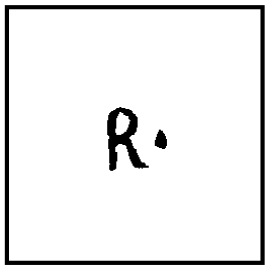
1820–1850
R.
underglaze, impressed, painted · blue · porcelain · Thuringia, Germany
Blue underglaze mark series; the first variant is a body mark. Earlier dates describe factory history.
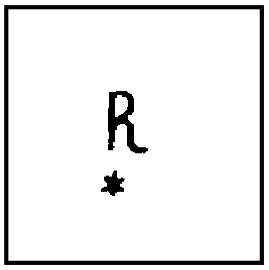
1820–1850
R
underglaze, impressed, painted · blue · porcelain · Thuringia, Germany
Blue underglaze mark series; the first variant is a body mark. Earlier dates describe factory history.
Marks 25–65
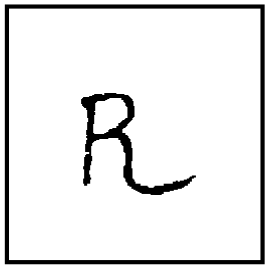
1820–1850
R
painted, underglaze, impressed · blue · porcelain · Thuringia, Germany
Variants include blue underglaze and impressed marks.
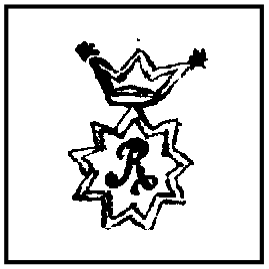
1820–1850
R
blue · porcelain · Thuringia, Germany
Shared group dated , described as blue drawn underglaze marks with a body-mark exception for the first example.
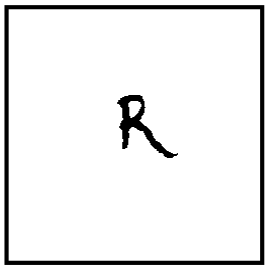
1820–1850
R
blue · porcelain · Thuringia, Germany
Shared group dated , described as blue drawn underglaze marks with a body-mark exception for the first example.
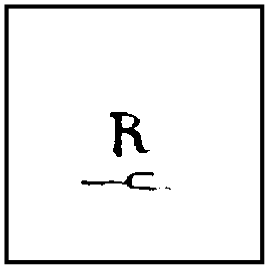
1820–1850
R
painted, underglaze, impressed · blue · porcelain · Thuringia, Germany
Variants include blue underglaze and impressed marks.
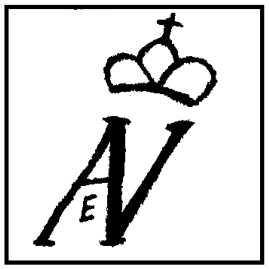
c. 1850–1949
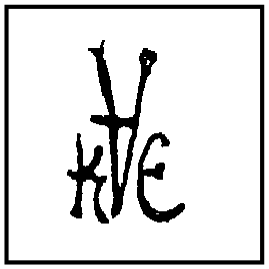
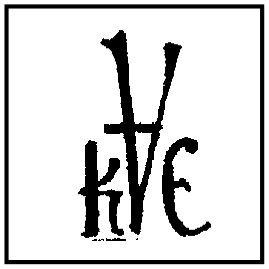
AVE
porcelain · Thuringia, Germany
Brand of the 2nd part of XIX c. and the 1st part of XX c.


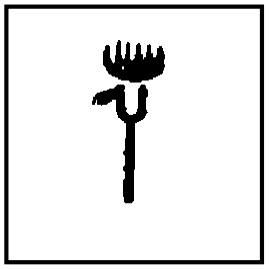
Undated
underglaze · dark blue · porcelain
underglaze · dark blue · porcelain · Thuringia, Germany
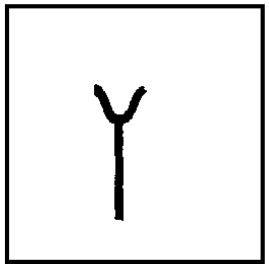
Undated
underglaze · dark blue · porcelain
underglaze · dark blue · porcelain · Thuringia, Germany
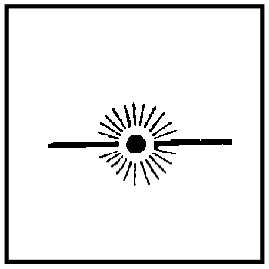
Undated
underglaze · dark blue · porcelain
underglaze · dark blue · porcelain · Thuringia, Germany
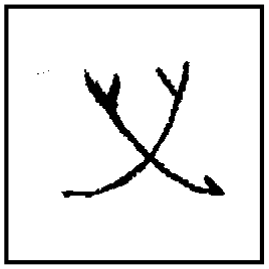
Undated
underglaze · dark blue · porcelain
underglaze · dark blue · porcelain · Thuringia, Germany
Undated
underglaze · dark blue · porcelain
underglaze · dark blue · porcelain · Thuringia, Germany
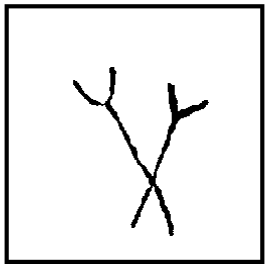
Undated
underglaze · dark blue · porcelain
underglaze · dark blue · porcelain · Thuringia, Germany
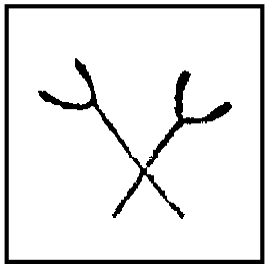
Undated
underglaze · dark blue · porcelain
underglaze · dark blue · porcelain · Thuringia, Germany

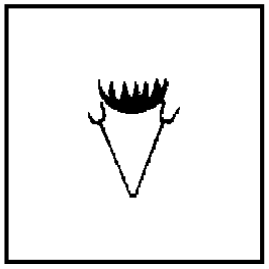
Undated
V
underglaze · dark blue · porcelain · Thuringia, Germany
Brands were usually underlaze dark-blue.
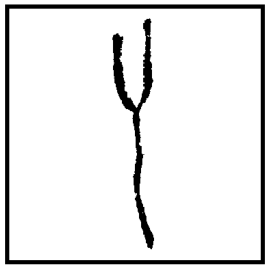
Undated
underglaze · dark blue · porcelain
underglaze · dark blue · porcelain · Thuringia, Germany
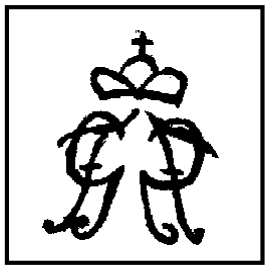
Undated
porcelain
Variants span the second half of the nineteenth and first half of the twentieth century, with further socialist-period marks after 1950.
porcelain · Thuringia, Germany
Undated
underglaze · dark blue · porcelain
underglaze · dark blue · porcelain · Thuringia, Germany
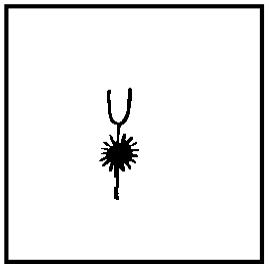
Brands were usually underlaze dark-blue.
Undated
underglaze · dark blue · porcelain
underglaze · dark blue · porcelain · Thuringia, Germany
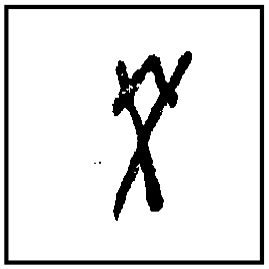
Brands were usually underlaze dark-blue.
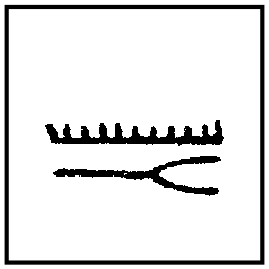
Undated
underglaze · dark blue · porcelain
underglaze · dark blue · porcelain · Thuringia, Germany
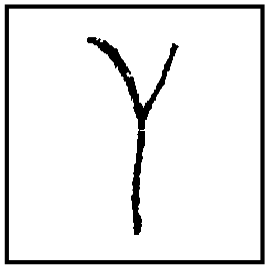
Brands were usually underlaze dark-blue.
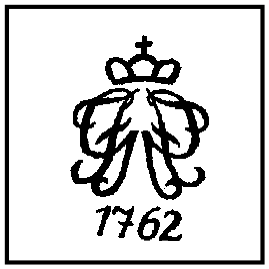

Undated
underglaze · dark blue · porcelain
underglaze · dark blue · porcelain · Thuringia, Germany
Usually dark-blue underglaze marks.
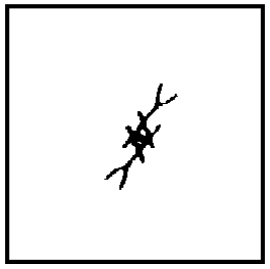
Undated
underglaze · dark blue · porcelain
underglaze · dark blue · porcelain · Thuringia, Germany
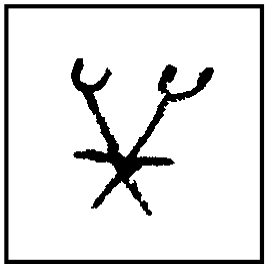
Undated
underglaze · dark blue · porcelain
underglaze · dark blue · porcelain · Thuringia, Germany
Usually dark-blue underglaze marks.

Undated
underglaze · dark blue · porcelain
underglaze · dark blue · porcelain · Thuringia, Germany
Brands were usually underlaze dark-blue.
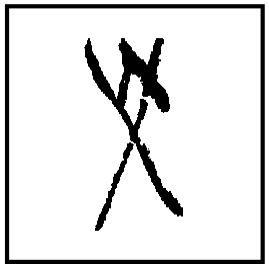
Undated
underglaze · dark blue · porcelain
underglaze · dark blue · porcelain · Thuringia, Germany
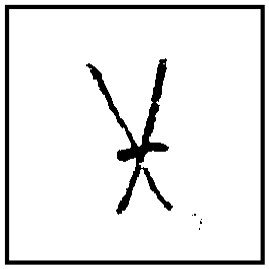
Undated
underglaze · dark blue · porcelain
underglaze · dark blue · porcelain · Thuringia, Germany
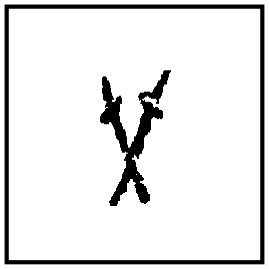
Undated
underglaze · dark blue · porcelain
underglaze · dark blue · porcelain · Thuringia, Germany
Brands were usually underlaze dark-blue.
About Volkstedt
Georg Heinrich Macheleid obtained a porcelain-manufacturing privilege in 1762. Christian Nonne leased the factory in 1767. Ownership passed to Prince Ernst Constantin in 1797 and to Wilhelm Greiner and Karl Holzapfel in 1799. Volkstedt became known for figures and, from the mid-19th century, lace figures. It lost its exclusive privilege in 1832, allowing other local makers to develop. Later firms included Greiner, Stauch & Co. and Macheleid, Triebner & Co.
The business became Aelteste Volkstedter Porzellanfabrik AG in 1899 and was integrated into the East German porcelain industry after the Second World War. Volkstedt was founded in 1762 by G. H. Macheleid in Schwarzburg-Rudolstadt. Under Christian Nonne in 1767–1797 it produced decorated and relief-molded services. Figures were initially glazed and painted, with biscuit figures added later.
A service introduced in 1780 featured red scenes after Daniel Chodowiecki’s engravings, painted by Franciszek Cotta. G. Macheleid founded the Volkstedt factory in Schwarzburg-Rudolstadt in 1762. It flourished under Christian Nonne in 1767–1797, producing decorated sets and sculpture. From 1780 it made a dinner service with red figural scenes based on Daniel Chodowiecki's engravings, painted by Franciszek Cotta.