
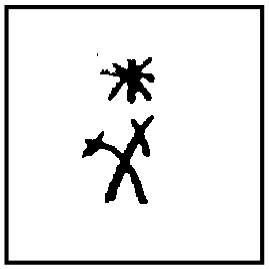
c. 1700–1899
underglaze · blue · porcelain
underglaze · blue · porcelain · Germany
Imitation of Meissen’s Marcolini-period mark.
Pottery & porcelain
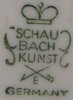
Wallendorf marks are associated with porcelain from Thuringia, Germany. It was nationalized in 1953 and became a limited company again in 1990.
c. 1700–1899
underglaze · blue · porcelain · Germany
Imitation of Meissen’s Marcolini-period mark.

c. 1763–1900
Source states use from the factory’s foundation in 1763–1764 until the beginning of the twentieth century.
underglaze · blue · porcelain · Thuringia, Germany
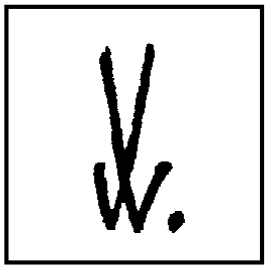
c. 1763–1900
The source describes use from the 1763–1764 founding until the beginning of the 20th century.
underglaze · blue · porcelain · Thuringia, Germany
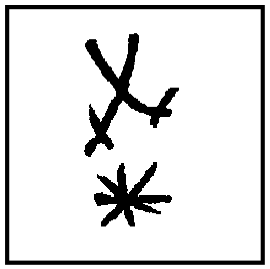
c. 1763–1900
Source states use from the factory’s foundation in 1763–1764 until the beginning of the twentieth century.
underglaze · blue · porcelain · Thuringia, Germany

c. 1763–1900
Source states use from the factory’s foundation in 1763–1764 until the beginning of the twentieth century.
underglaze · blue · porcelain · Thuringia, Germany
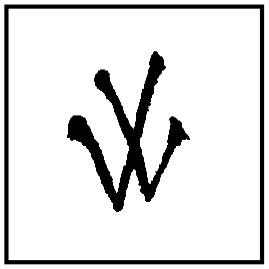
c. 1763–1900
The source describes use from the 1763–1764 founding until the beginning of the 20th century.
underglaze · blue · porcelain · Thuringia, Germany
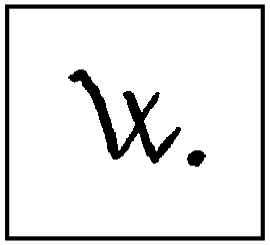
c. 1763–1900
Source states use from the factory’s foundation in 1763–1764 until the beginning of the twentieth century.
underglaze · blue · porcelain · Thuringia, Germany

c. 1763–1900
The source describes use from the 1763–1764 founding until the beginning of the 20th century.
underglaze · blue · porcelain · Thuringia, Germany
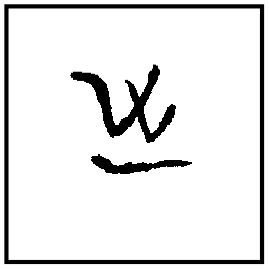
c. 1763–1900
Source states use from the factory’s foundation in 1763–1764 until the beginning of the twentieth century.
underglaze · blue · porcelain · Thuringia, Germany

c. 1763–1900
Source states use from the factory’s foundation in 1763–1764 until the beginning of the twentieth century.
underglaze · blue · porcelain · Thuringia, Germany

c. 1763–1900
The source describes use from the 1763–1764 founding until the beginning of the 20th century.
underglaze · blue · porcelain · Thuringia, Germany

c. 1763–1900
Source states use from the factory’s foundation in 1763–1764 until the beginning of the twentieth century.
underglaze · blue · porcelain · Thuringia, Germany
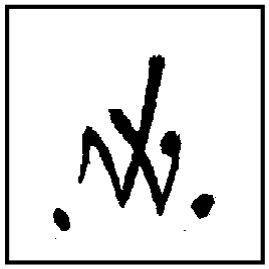
c. 1763–1900
The source describes use from the 1763–1764 founding until the beginning of the 20th century.
underglaze · blue · porcelain · Thuringia, Germany
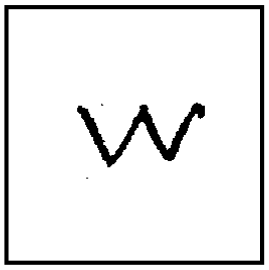
c. 1763–1900
Source states use from the factory’s foundation in 1763–1764 until the beginning of the twentieth century.
underglaze · blue · porcelain · Thuringia, Germany
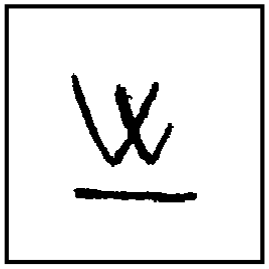
c. 1763–1900
Source states use from the factory’s foundation in 1763–1764 until the beginning of the twentieth century.
underglaze · blue · porcelain · Thuringia, Germany

c. 1763–1900
Source states use from the factory’s foundation in 1763–1764 until the beginning of the twentieth century.
underglaze · blue · porcelain · Thuringia, Germany
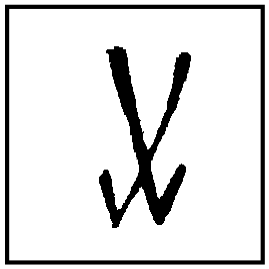
c. 1763–1900
The source describes use from the 1763–1764 founding until the beginning of the 20th century.
underglaze · blue · porcelain · Thuringia, Germany

c. 1763–1900
Source states use from the factory’s foundation in 1763–1764 until the beginning of the twentieth century.
underglaze · blue · porcelain · Thuringia, Germany
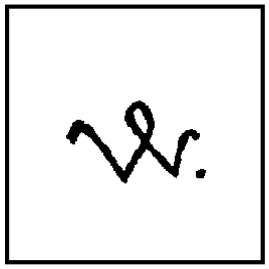
c. 1763–1900
The source describes use from the 1763–1764 founding until the beginning of the 20th century.
underglaze · blue · porcelain · Thuringia, Germany

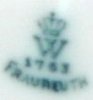
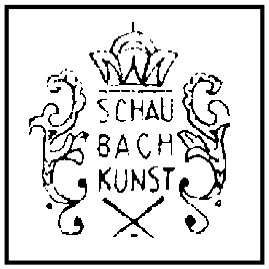
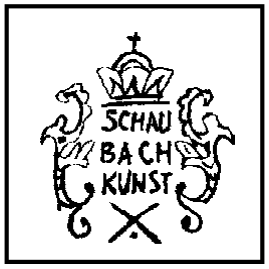
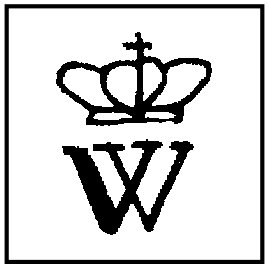


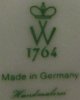

Undated
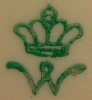
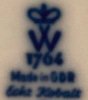
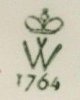
Used from the factory's founding in 1763–1764 until the beginning of the twentieth century; the end year is not specified.
underglaze · blue · porcelain · Thuringia, Germany
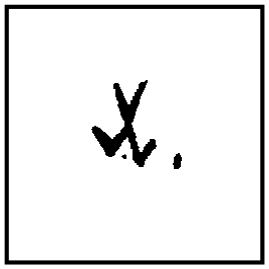
Undated
Used from the factory's founding in 1763–1764 until the beginning of the twentieth century; the end year is not specified.
underglaze · blue · porcelain · Thuringia, Germany

Undated
Used from the factory's founding in 1763–1764 until the beginning of the twentieth century; the end year is not specified.
underglaze · blue · porcelain · Thuringia, Germany
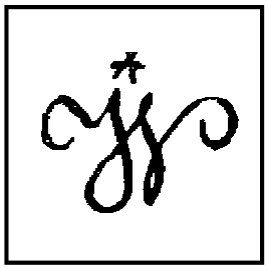
Undated
Used from the factory's founding in 1763–1764 until the beginning of the twentieth century; the end year is not specified.
underglaze · blue · porcelain · Thuringia, Germany
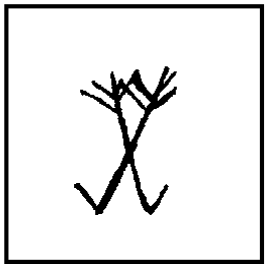
Undated
Used from the factory's founding in 1763–1764 until the beginning of the twentieth century; the end year is not specified.
underglaze · blue · porcelain · Thuringia, Germany

Undated
Used from the factory's founding in 1763–1764 until the beginning of the twentieth century; the end year is not specified.
underglaze · blue · porcelain · Thuringia, Germany
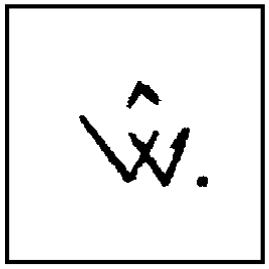
Undated
Used from the factory's founding in 1763–1764 until the beginning of the twentieth century; the end year is not specified.
underglaze · blue · porcelain · Thuringia, Germany

Undated
Used from the factory's founding in 1763–1764 until the beginning of the twentieth century; the end year is not specified.
underglaze · blue · porcelain · Thuringia, Germany
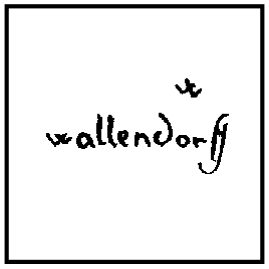
Undated
Used from the factory's founding in 1763–1764 until the beginning of the twentieth century; the end year is not specified.
underglaze · blue · porcelain · Thuringia, Germany
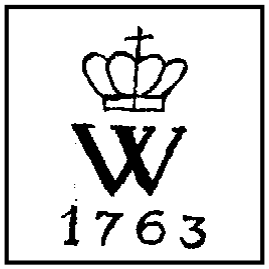
Undated
Used from the factory's founding in 1763–1764 until the beginning of the twentieth century; the end year is not specified.
underglaze · blue · porcelain · Thuringia, Germany
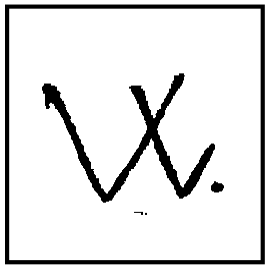
Undated
Used from the factory's founding in 1763–1764 until the beginning of the twentieth century; the end year is not specified.
underglaze · blue · porcelain · Thuringia, Germany
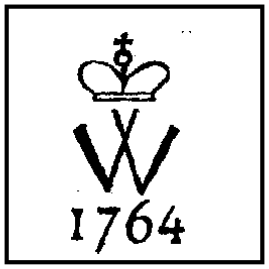
Undated
Used from the factory's founding in 1763–1764 until the beginning of the twentieth century; the end year is not specified.
underglaze · blue · porcelain · Thuringia, Germany
Wolfgang Hammann and his son, with Gottfried and Gotthelf Greiner, established Wallendorf porcelain manufacture in 1764. Bohemian kaolin replaced local raw materials in 1780. The Hammann family owned the factory until 1833. Later owners included Hutschenreuther, Kämpf & Heubach, Fraureuth and Schaubachkunst. The factory was nationalized in 1953 and became a limited company again after 1990.
Johann Wolfgang Hammann established the Wallendorf manufactory with family members and the Greiners; production there began in 1764. The factory adopted Bohemian kaolin in 1780. Ownership changed repeatedly after 1833, later including Schaubachkunst. It was nationalized in 1953 and became a limited company again in 1990. The Wallendorf factory was founded in 1763–1764 and produced tableware. Its early marks were applied in blue underglaze.