About Royal Crown Derby
Royal Crown Derby belongs to the porcelain-making tradition that developed in Derby around 1750. The original Nottingham Road factory became closely associated with William Duesbury and his successors. After it closed in 1848, former workers established a smaller concern in King Street, continuing earlier models and decorative patterns. A separate enterprise, the Derby Crown Porcelain Company, opened at Osmaston Road during the 1870s.
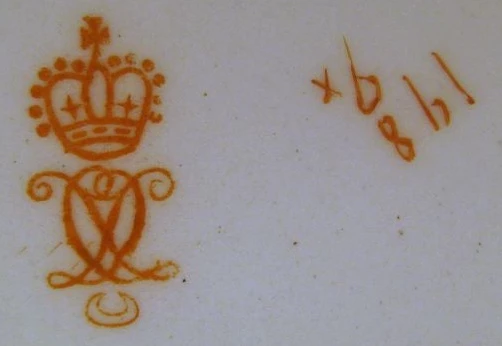
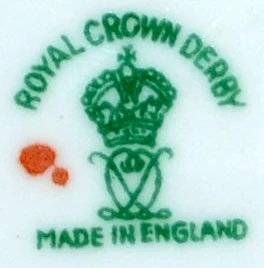
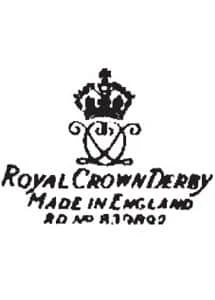
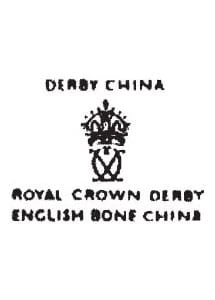
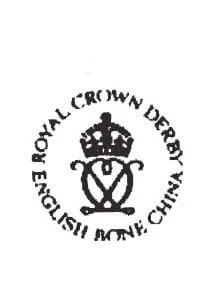
The new company made tableware and decorative porcelain, including versions of the older Derby Japan patterns. Its more elaborate wares featured raised gilding, finely chased gold decoration and Persian-inspired designs. In 1890 Queen Victoria granted permission to use the Royal title, and the business became Royal Crown Derby. The printed crown and intertwined D device was retained, with the new name added around it. Later backstamps changed the country wording and introduced explicit bone-china descriptions.
Royal Crown Derby acquired the King Street works in 1935, bringing the two Derby businesses together. During the Second World War a distinct green mark appeared on utility wares. Subsequent production included decorated bone-china services, giftware and collectable models. The company’s Imari-style decoration remained a prominent part of its range. Factory backstamps and separate year symbols developed alongside one another, so a familiar crown can occur with several different naming and dating systems.