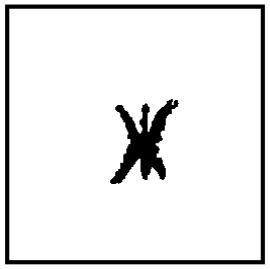
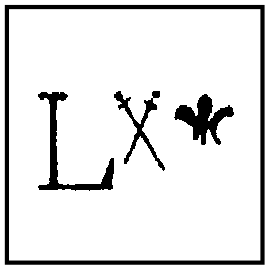
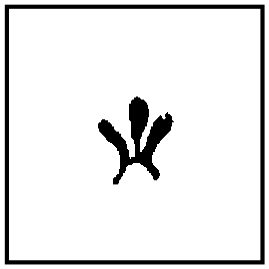
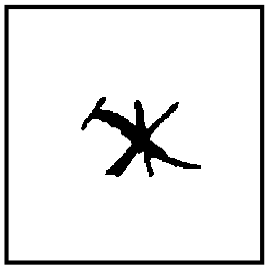
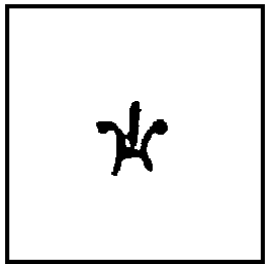
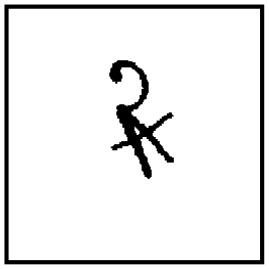
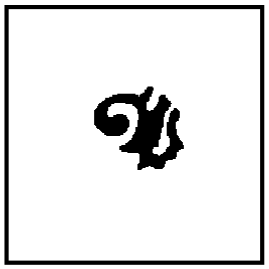
CAPODIMONTE, ITALY and a separate workshop name can occur together. A model number, artist signature or decorator stamp may appear elsewhere on the underside or beside a figure’s base.
What to check next
Preserve the crown form, N and accompanying company name. Compare the body, modelling and complete signature with the workshop examples rather than assigning every crowned N to the eighteenth-century royal factory.
Charles III, King of Naples and Sicily, in 1743 established a factory in Capodimonte castle (near Naples). In 1759, Charles III was called to the Spanish throne and moved its production to Buen Retiro in Spain. The Capodimonte was soft and of high artistic level.
Charles III, King of Naples and Sicily, in 1743 established a factory in Capodimonte castle (near Naples). In 1759, Charles III was called to the Spanish throne and moved its production to Buen Retiro in Spain. The Capodimonte was soft and of high artistic level.
Charles III, King of Naples and Sicily, in 1743 established a factory in Capodimonte castle (near Naples). In 1759, Charles III was called to the Spanish throne and moved its production to Buen Retiro in Spain. The Capodimonte was soft and of high artistic level.
Charles III, King of Naples and Sicily, in 1743 established a factory in Capodimonte castle (near Naples). In 1759, Charles III was called to the Spanish throne and moved its production to Buen Retiro in Spain. The Capodimonte was soft and of high artistic level.
Charles III, King of Naples and Sicily, in 1743 established a factory in Capodimonte castle (near Naples). In 1759, Charles III was called to the Spanish throne and moved its production to Buen Retiro in Spain. The Capodimonte was soft and of high artistic level.
Charles III, King of Naples and Sicily, in 1743 established a factory in Capodimonte castle (near Naples). In 1759, Charles III was called to the Spanish throne and moved its production to Buen Retiro in Spain. The Capodimonte was soft and of high artistic level.