
Country guide
Dutch pottery marks identification
Dutch pottery marks cover more than the familiar blue-and-white Delft style. Historic Delftware is tin-glazed earthenware, with an opaque white glaze over a clay body. Dutch porcelain, such as Amstel wares, belongs to a different material tradition. Maastricht factories, Makkum workshops and later decorative potteries used their own company names and emblems.
Key makers’ marks
13 marks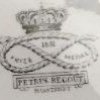
De Porceleyne Fles / Royal Delft
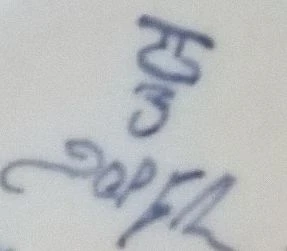
From 1879
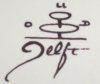
JT / Delft
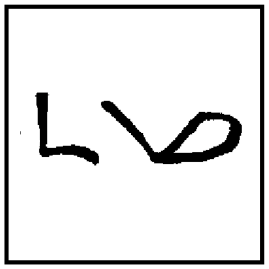
Bottle, joined JT and Delft script distinguish the factory logo; year letters and painter initials are separate additions.
painted · blue · glazed earthenware · Delft, Netherlands
Delft
Undated
dark blue or red · faience
dark blue or red · faience · Delft, Netherlands
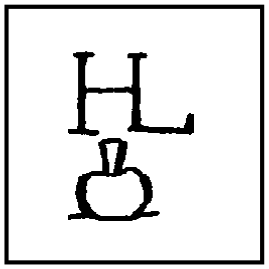
Delft
Undated
dark blue · faience
dark blue · faience · Delft, Netherlands
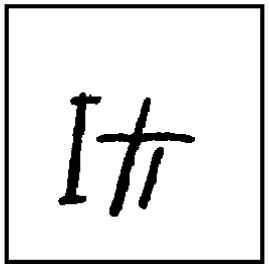
I. Harlees name mark for De Porceleyne Fleshjes.

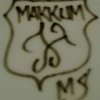
Makkum Tichelaar
Undated
Turn of the Tichelaar Makkum .
This mark dates to around 1900.
Makkum, Netherlands
Delfts
Undated
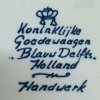
Delfts
Seen on a vase dated 1912; this does not establish the mark’s general use interval.
Royal Goedewaagen mark on the vase.
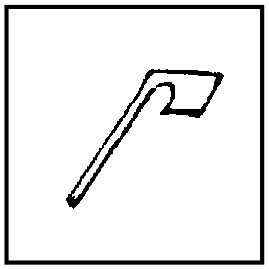
Delft
Undated
dark blue, black · faience
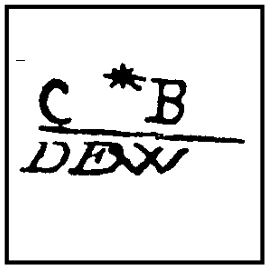
These name marks date to 1759; numerous imitations also exist.
dark blue, black · faience · Delft, Netherlands
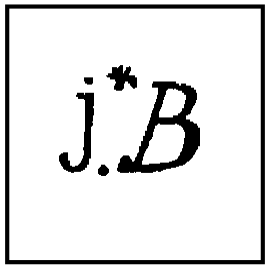
Joost Brouwer name mark for the Axe (De Porceleyne Byl) factory; numerous imitations also exist.
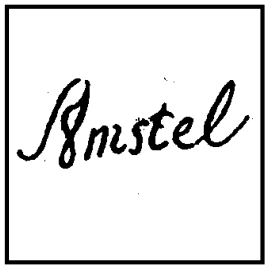
About Dutch pottery marks
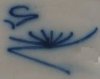
Delft was a centre containing many independent workshops. Historic factory devices include an axe, claw, star, bottle and varied letter groups. These marks can identify a workshop or its owner rather than the town alone. De Porceleyne Fles, now Royal Delft, was founded in 1653. Its familiar hand-painted bottle, intertwined JT initials and Delft script form a specific later identity, with a dating system used from 1879.
On Royal Delft pieces, painter’s initials and year letters have separate places beside the factory mark. Shape or article numbers provide another catalogue reference. The company also uses different marks for other product ranges, so the hand-painted date chart should be matched to the correct logo family.
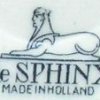
Other Dutch names require their own comparisons. Tichelaar at Makkum carries a long pottery and tile-making history; Petrus Regout began Maastricht earthenware production in 1836. DELFTS, HOLLAND or MADE IN HOLLAND can accompany many later companies and do not identify Royal Delft. Read the full device, company wording and ceramic body together, especially where a later piece copies an older Dutch pattern or factory emblem.
How to read the marks
Distinguish tin-glazed earthenware from porcelain before choosing a reference.
Copy the complete company device and wording, including DELFT, DELFTS, HOLLAND and any town.
For Royal Delft, identify bottle, JT and Delft script before reading the neighbouring letters.
Keep the painter’s initials on the left separate from the year code on the right.
Record article, model and decoration numbers independently.
Use a factory-specific chart; a Delft-style decoration does not make a Royal Delft date code applicable.
For historic marks, compare the workshop or owner’s exact monogram and device rather than the town alone.
Key makers
De Porceleyne Fles / Royal Delft
Delft, Netherlands · Founded 1653; familiar hand-painted date-code system from 1879.
Delft Blue earthenware and decorative ceramics.
Tichelaar
Makkum, Friesland, Netherlands · Brickmaking at the site in 1572; pottery and tile production developed in the 17th century.
Earthenware dishes, tiles and later architectural and decorative ceramics.
Petrus Regout / Sphinx
Maastricht, Netherlands · Earthenware production from 1836; later company identities included Sphinx.
Industrial earthenware tableware and related ceramic products.
Amstel porcelain factory
Oude Amstel, Netherlands · 1784–1814.
Hard-paste porcelain tableware and ornamental objects.
Look-alikes & fakes
Royal Delft and other Delft factories
An axe, claw or owner’s initials can belong to another historic workshop. Compare the complete device; the word Delft alone does not identify De Porceleyne Fles.
Dutch-style pottery made elsewhere
Delft-style decoration was made in other countries, including English delftware. Compare the maker mark and body rather than assigning Dutch origin from blue decoration alone.
Historic tin-glazed Delftware and porcelain
Both can carry blue decoration, but they have different bodies and glaze traditions. Match the material before using a factory chronology.
Later copies of old factory marks
Historic Dutch marks were copied on later wares. Compare the exact mark, foot, glaze and decoration with the claimed workshop period.
Related marks
329 marks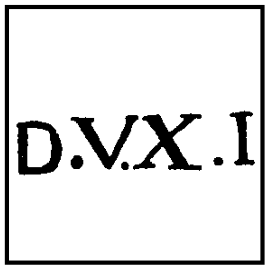
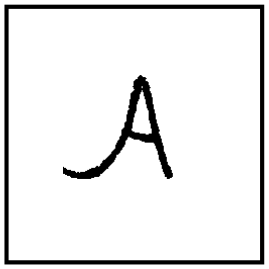
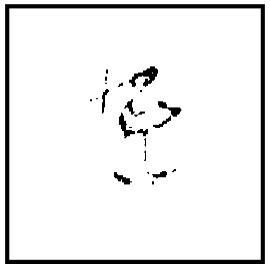
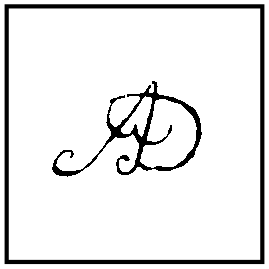
Browse makers
14 makersDelftNetherlands236 marksAmsterdamNetherlands42 marksPetrus Regout Maastricht20 marksMakkum Tichelaar6 marksThe HagueNetherlands6 marksAmstelNetherlands3 marksAmsterdam or DelftNetherlands3 marksWeespNetherlands3 marksOud LoosdrechtNetherlands2 marksWeesp near AmsterdamNetherlands2 marksFienceNetherlands1 markHagueNetherlands1 markMaastrichtNetherlands1 markRotterdamNetherlands1 mark