Georg Jensen
1866–1935
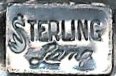
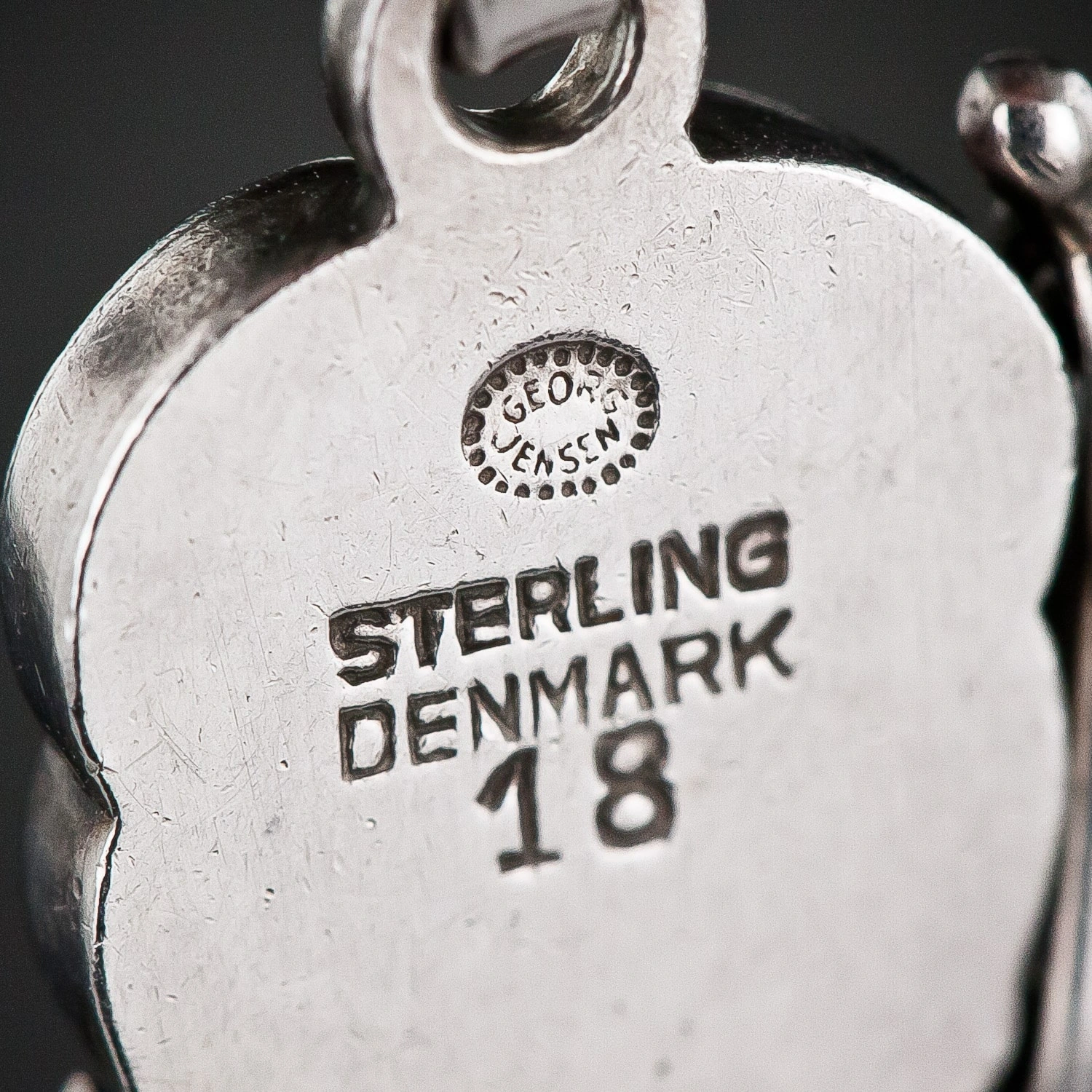
GEORG JENSEN STERLING DENMARK 18
The maker lived from 1866 to 1935 and established the business in 1904.
Denmark
Cartouche, , frame, rectangle, square
Country guide
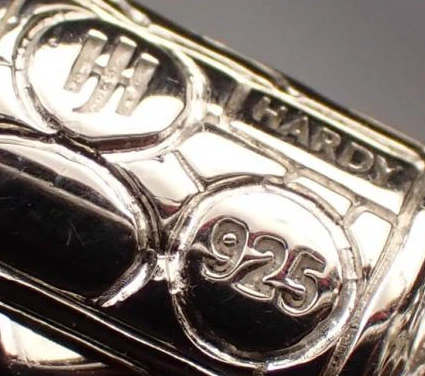
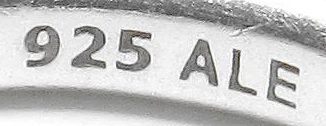
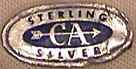
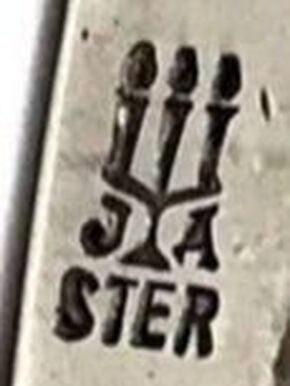
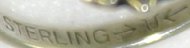
Sterling jewellery marks describe silver content, while a separate name or emblem identifies the maker or sponsor. STERLING and 925 mean an alloy containing 925 parts silver per thousand. Short forms such as STER and STG also occur on jewellery. These small inscriptions often sit inside rings, behind brooches, on bracelet backs or on clasp tabs, where there is little space for a long company name.
Georg Jensen
1866–1935
The maker lived from 1866 to 1935 and established the business in 1904.
Denmark
Cartouche, , frame, rectangle, square
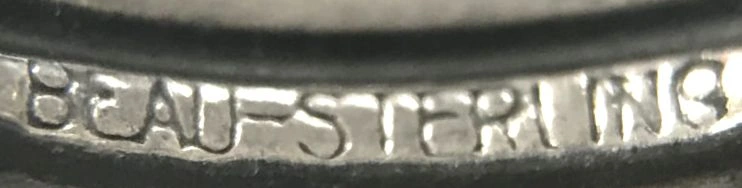
David Yurman
Undated
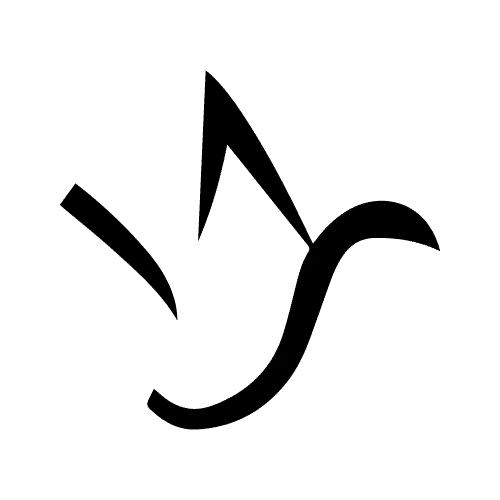
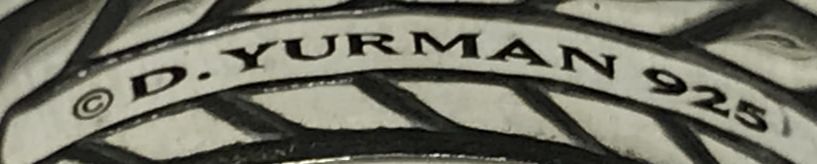
DY, D. Yurman and David Yurman are alternative maker signatures.
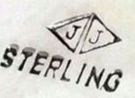
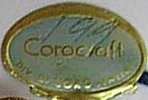
Coro / Cohn and Rosenberger
Undated
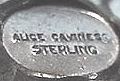
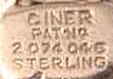
Mark: in Courtesy Evelyn Phillips Courtesy Erik Yang Mark: Sterling with flying Pegasus Courtesy Beth Rowlands. Courtesy Simply Sharon.
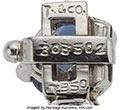
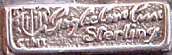
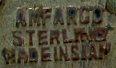
The group crosses national and stylistic boundaries. Tiffany & Co. developed a major American silver business in the nineteenth century. Georg Jensen established a Copenhagen workshop in 1904, while later American makers such as James Avery and David Yurman built distinct jewellery identities. Taxco workshops in Mexico and Scandinavian firms used their own signatures alongside silver standards and country names.
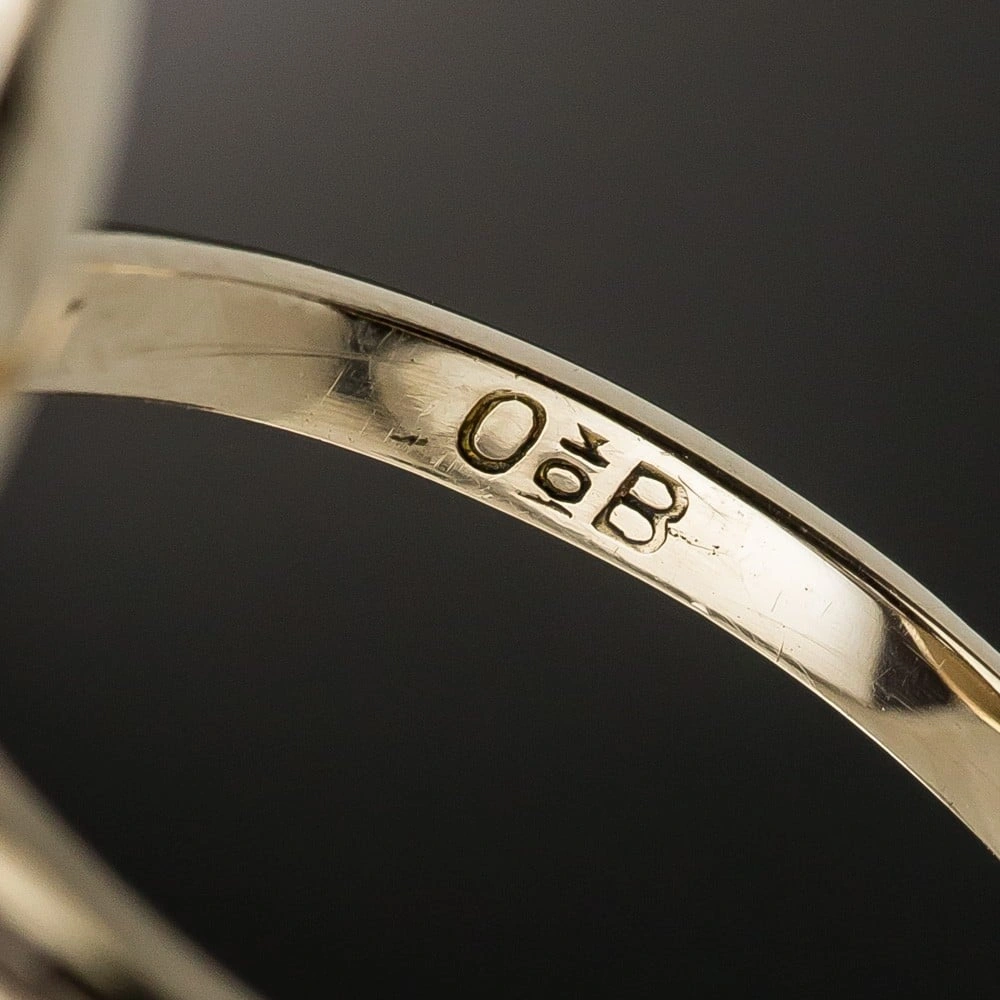
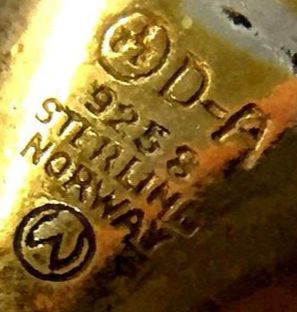
A quality mark and a maker’s signature answer different questions. JA, D-A, a Jensen oval or a Tiffany name can lead to the business; STERLING or 925 describes the alloy. A British assay group adds a sponsor and testing office, while other countries use different registration systems. A model number or copyright year should be read separately from both.
Silver can also be gilded, so a yellow surface does not conflict with a silver-standard mark. Check the main ornament and its fittings together: a replacement clasp may carry a different mark, and a stamp on a small component does not identify every part of a combined piece.
Inspect ring interiors, brooch backs, earring clips, bracelet undersides and clasp tabs with magnification.
Copy STERLING, STER, STG, 925 or .925 separately from the designer name or initials.
Read country and office punches as well as the silver number; different countries use different systems.
Compare the exact maker emblem and outline. Colour or a generic 925 stamp cannot identify a designer.
Check the main piece and detachable fittings for replacements or different metal statements.
Read gold plating and silver fineness separately when the surface is yellow.
New York, United States · Founded 1837; continuing.
Silver jewellery, hollowware and decorative objects.
Copenhagen, Denmark · Founded 1904; continuing.
Silver jewellery, hollowware and tableware.
Kerrville, Texas, United States · Founded 1954; continuing.
Jewellery including silver charms, rings, pendants and bracelets.
New York, United States · Founded 1980; continuing.
Designer jewellery in silver, gold and combined materials, including cable forms.
Silver-coloured plated or nickel-silver jewellery differs from a sterling alloy. Read all metal wording rather than relying on surface colour.
A gold-coloured piece can have a sterling base. The gold finish and the silver-standard stamp describe different layers.
A familiar name or 925 stamp can be copied. Compare the complete signature, construction, fittings and design with the maker’s corresponding version.
935 expresses 935 parts silver per thousand. Record the number as struck rather than silently changing it to the usual 925.
c. 1940–1946
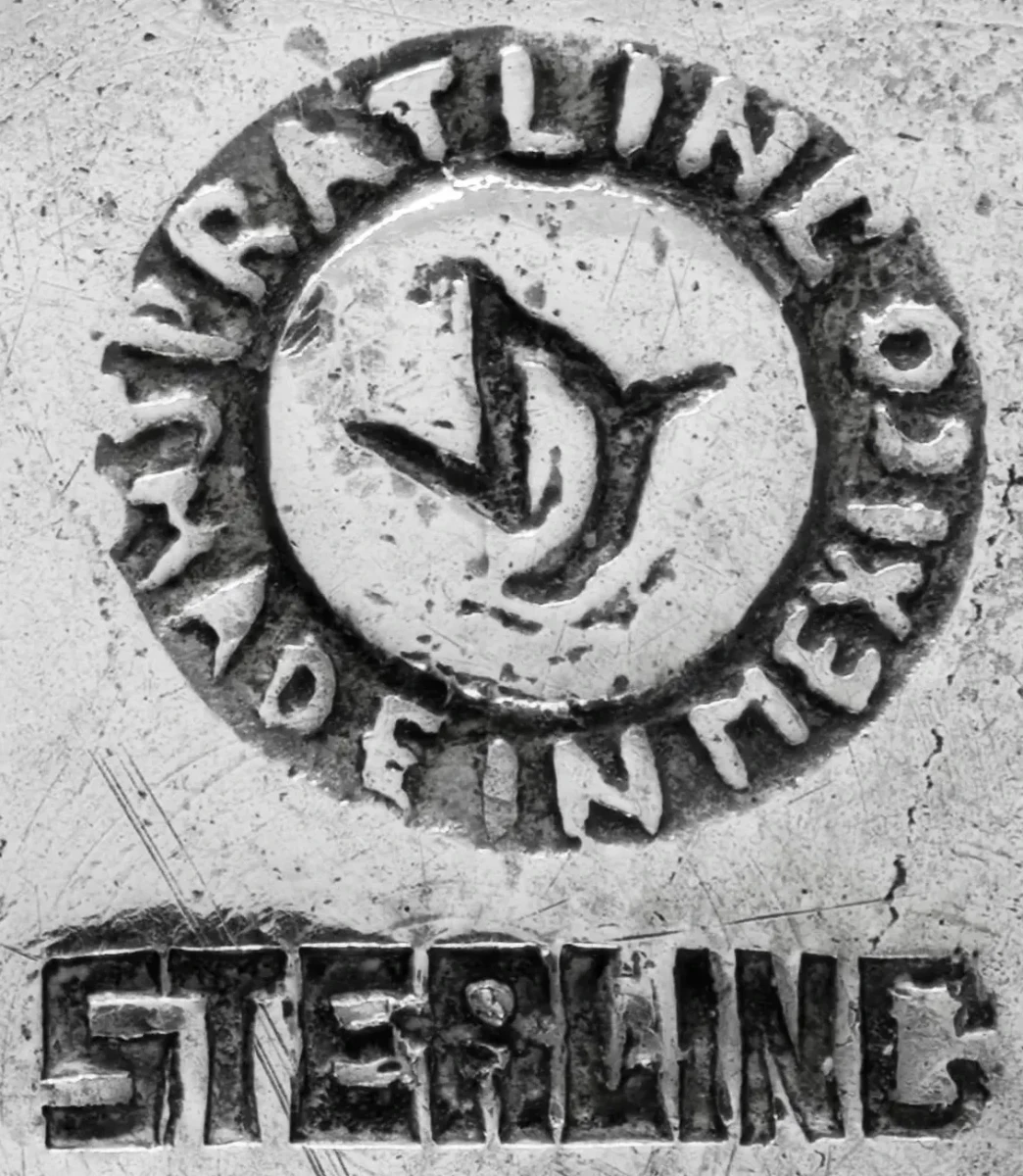
WS bird-like monogram occupies a circular SPRATLING MADE IN MEXICO stamp; separate STERLING below.