
Country guide
Polish pottery markings
Polish pottery marks cover several materials and manufacturing centres. Porcelain tableware from Ćmielów and Chodzież differs from Bolesławiec stoneware and painted faience from other towns. A maker’s emblem, place name and POLAND inscription may share the base with a shape number, pattern code or decorator’s signature. Those elements answer different identification questions.
Key makers’ marks
13 marks

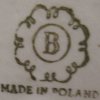
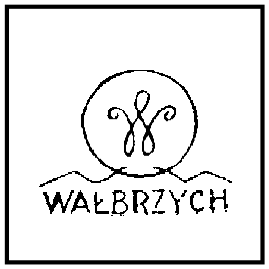
Walbrzych
After 1952
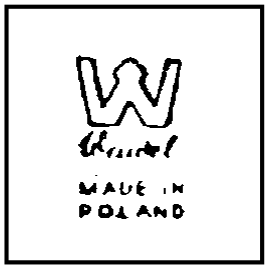
W WAŁBRZYCH
printed · different colours · porcelain · Poland
Printed mark in different colours .
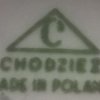
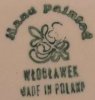
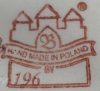
Bunzlau Bolesławiec
From 2001
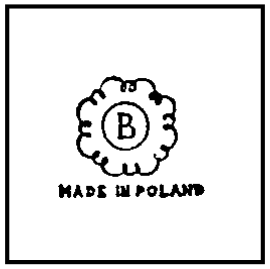
MADE IN POLAND 196
stoneware · Bunzlau / Bolesławiec
Used for encrusted items.
Bunzlau Bolesławiec
Undated
Karl Werner & Co Echt Bunzlau .
stoneware · Bunzlau / Bolesławiec
Karl Werner & Co.
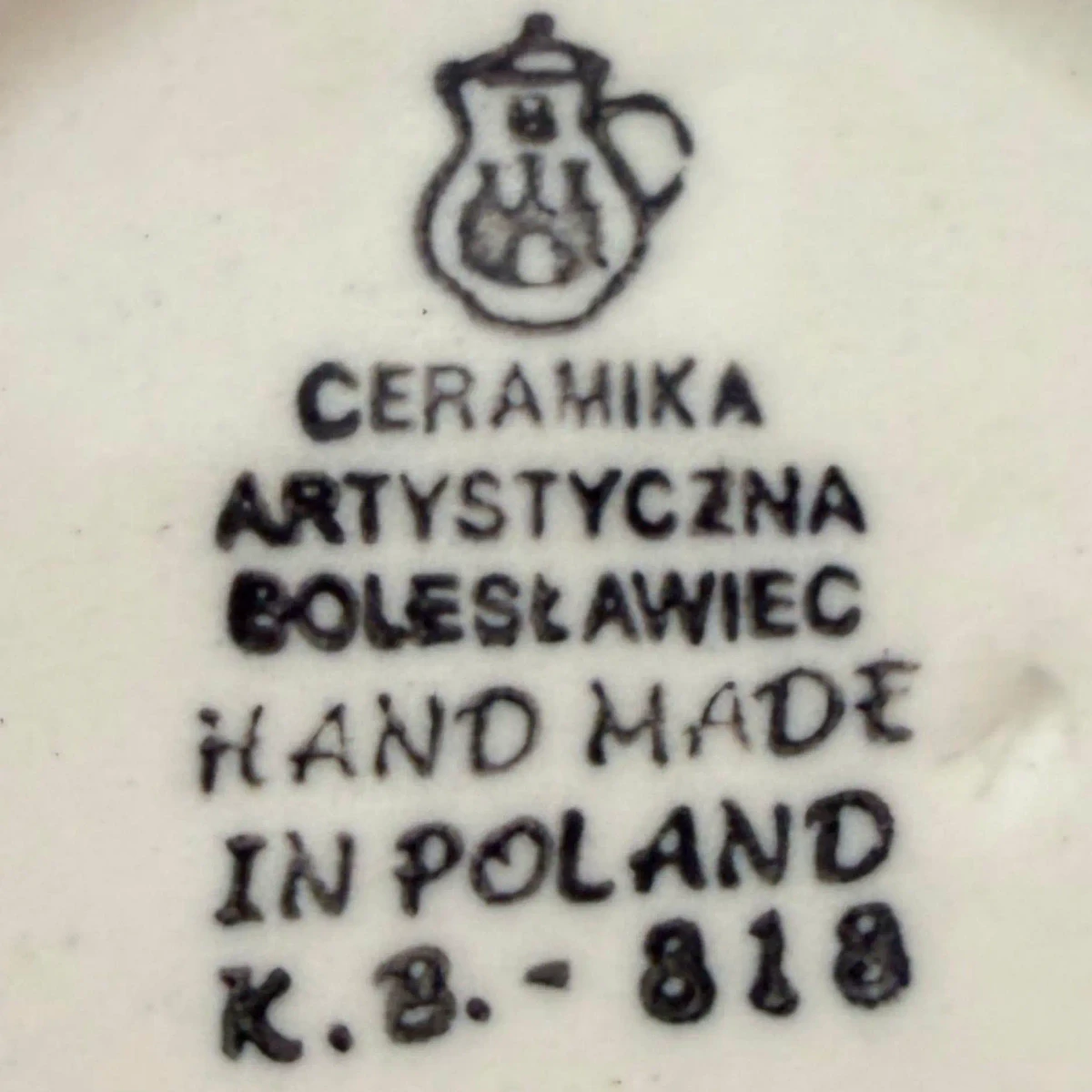
Ceramika Artystyczna
Undated
CERAMIKA / ARTYSTYCZNA / BOLESŁAWIEC / HAND MADE / IN POLAND / K.B.-818
The full CERAMIKA ARTYSTYCZNA name and jug emblem identify this format; K.B.-818 is copied as an additional code and is not treated as a year.
stamped · dark blue-black · glazed stoneware · Bolesławiec, Poland
About Polish pottery marks
Bolesławiec, historically called Bunzlau in German, is a pottery centre rather than a single factory. Older named businesses and postwar Polish workshops used distinct marks. Ceramika Artystyczna began production in 1950 in the former Julius Paul works and later developed its own cooperative identity. The workshop’s name and jug-shaped emblem distinguish its backstamps from the devices of other Bolesławiec producers.
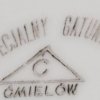
The porcelain and faience industry has separate company sequences. Ćmielów traces its ceramic tradition to 1790. Chodzież’s factory began making faience in 1852, before its later porcelain production. Their names and triangular letter devices must be read exactly: a C in a triangle and a marked Ć are not interchangeable signatures.
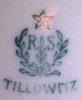
Historic Silesian factories also carry German-language place names such as Tillowitz or Königszelt, followed by Polish identities and origin lines in later periods. Read the company, town and country wording together rather than assigning one national period to every product from a location. Hand-painted floral decoration or cobalt sponge work can help compare a piece, but the complete factory stamp gives the stronger workshop lead.
How to read the marks
Identify the ceramic body: stoneware, faience and porcelain have different workshop histories.
Copy every accent and letter in ĆMIELÓW, CHODZIEŻ and the central monogram.
Read Bolesławiec or Bunzlau as a town, then find the independent maker name or emblem.
Keep MADE IN POLAND and historical German place wording with the factory device when comparing periods.
Separate shape, pattern and decorator codes; UNIKAT and an artist’s signature do not replace the factory name.
Compare the marks on several pieces before treating a service as one production period.
Key makers
Ćmielów
Ćmielów, Poland · Ceramic tradition traced to 1790; porcelain production developed later.
Porcelain tableware, figures and decorative objects, following earlier pottery.
Chodzież
Chodzież, Poland · Faience factory founded 1852; later porcelain manufacture.
Faience and porcelain tableware.
Ceramika Artystyczna
Bolesławiec, Lower Silesia, Poland · Cooperative production from 1950; Ceramika Artystyczna name adopted in the 1960s.
Hand-decorated stoneware tableware and ornamental ceramics.
Look-alikes & fakes
Different Bolesławiec workshops
Blue decoration and the town name are shared. Compare the complete producer emblem and wording; Ceramika Artystyczna is a separate workshop from Zakłady, Manufaktura and other producers.
Ćmielów and Chodzież triangle marks
Read the exact central letter, accent and town below it. Similar triangular outlines belong to different factory identities.
German-period Silesian factories and Polish successors
A historic German town name on an older piece can refer to a factory site now in Poland. Match its company and period rather than changing the origin line to a modern country label.
Copied peacock-eye and floral decoration
Similar motifs occur outside the named Bolesławiec workshops. Compare the full producer mark, body, foot and decoration rather than identifying by pattern colour alone.
Related marks
260 marks
Undated
Majolica
Nieborów, Poland
Prince Radziwiłł’s Polish factory was founded in 1881 and produced majolica imitating French Nevers faience.
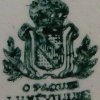
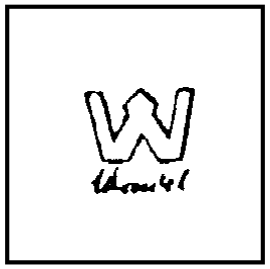
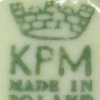
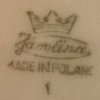
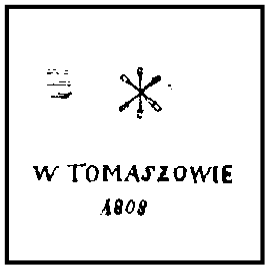
OHMark wording
1920–1930
Porzellanfabrik Hermann Ohme
blue, green · Niedersalzbrunn (Sczawienko)
Used between , in blue or green. "Germany" below the crowned " ".
USMark wording
1920–1933
Striegauer Porzellanfabrik AG
Striegau-Stanowitz (today Strzegom-Stanowice)
Used between , here with a mark from retailer Mitchell, Woodbury & Co. ; here on "Ilse" series. (Picture by Marilyn Parker)
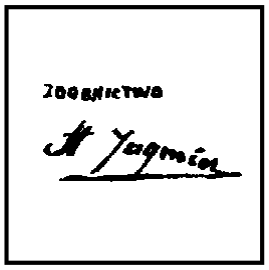
FPMMark wording
1887–1894
Porzellanfabrik Freiwaldau Robert Tietz
Freiwaldau (Polish 'Fryvaldov', Czech 'Jeseník')
Used between . Scpter above the " ".


Browse makers
48 makersCmielowPoland43 marksMajolica17 marksLunevilleFrance20 marksWalbrzychPoland11 marksChodziezPoland19 marksKrister15 marksKönigszelt Karolina12 marksFactory of the Count ZamoyskiyPoland11 marksPorzellanfabrik Hermann OhmePoland11 marksStriegauer Porzellanfabrik AGPoland11 marksKorostenPoland10 marksCeramics9 marksBunzlau BolesławiecGermany8 marksPorzellanfabrik Freiwaldau Robert Tietz8 marksPruszkowPoland8 marksWroclawPoland8 marksformer Tiefenfurt ParowaPoland7 marksWloclawekPoland7 marksBogucice former GieschePoland6 marksSlovianskPoland6 marksFactory of the Count LubenskoyPoland5 marksWarsawPoland5 marksDenkowPoland4 marksKolo Faience Factory4 marksJavorina Silesian (former Koenigszelt)Poland3 marksParowaPoland3 marksSlawskPoland3 marksTulowicePoland3 marksZofiowka nearPoland3 marks StrzegomPoland2 marks Szczawienko near WalbrzychPoland2 marksBodzechowPoland2 marksformer Sorau ZaryPoland2 marksformer Tillowitz TulowicePoland2 marksJavorina SilesianPoland2 marksKorzecPoland2 marksNecelPoland2 marksSzczawienkoPoland2 marksa former Schmiedeberg KowarPoland1 markBoguchwala near RzhezhowPoland1 markformer Schmiedeberg KowarPoland1 markJaworzyna (former Koenigszelt)Poland1 markLjubljanaPoland1 markMirostowice1 markMirostowice DolnePoland1 markRaciborzPoland1 markSzopienicePoland1 markVogt KeramikPoland1 mark