
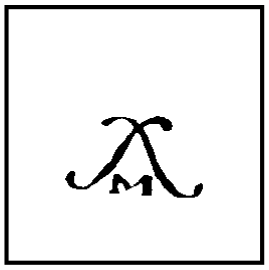
1793–1835
Stoke-on-Trent
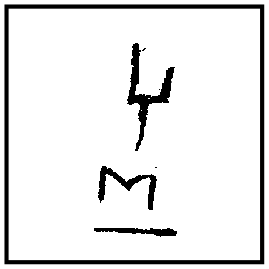
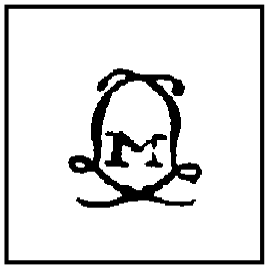
Crossed-loop M associated with Stoke-on-Trent: compare the early Minton device and its overglaze-blue use on gilded objects.
Symbol guide
An M on pottery can be part of a Minton mark, Noritake’s Morimura wreath, a Mitterteich emblem or another maker’s or decorator’s signature. Read the complete surrounding device and wording; M alone does not identify one factory or period.
1793–1835
Crossed-loop M associated with Stoke-on-Trent: compare the early Minton device and its overglaze-blue use on gilded objects.
c. 1841–1873
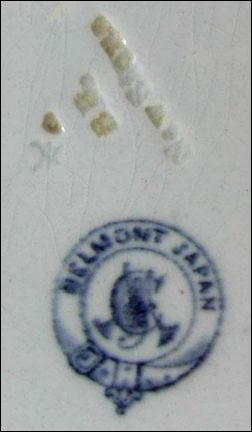
Minton M & C within a BELMONT JAPAN buckle: retain the complete partnership initials and pattern wording.
The Belmont Japan pattern was registered on 22 June 1860; the mark style is dated about 1841–1873.
From 1918
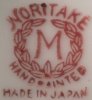
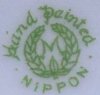
NORITAKE above M in a wreath, with HANDPAINTED MADE IN JAPAN beneath; M refers to Morimura.
From 1921
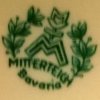
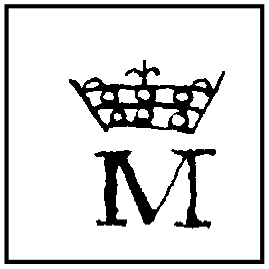
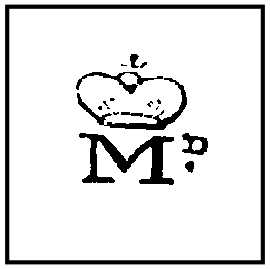
Mitterteich crowned M and wreath with MITTERTEICH Bavaria beneath: place wording distinguishes it from a Japanese M wreath.
It is shared by several factories and decorators. Compare the whole emblem, additional letters and country wording rather than assigning a maker from M alone.
On the Noritake/Morimura export marks, M stands for Morimura. Mitterteich also used crowned-M wreath designs, so retain all surrounding words.
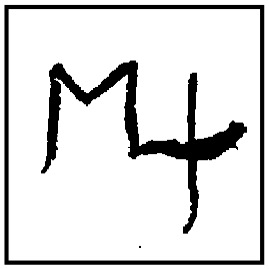
Not automatically. Related crossed devices occur on Minton and later German wares; letter placement and additional symbols distinguish them.
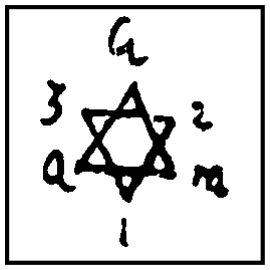
It can be a factory initial or decorator signature instead. Read it with any separate production symbols and the maker’s marking system.
c. 1841–1873
The Belmont Japan pattern was registered on 22 June 1860; the mark style is dated about 1841–1873.
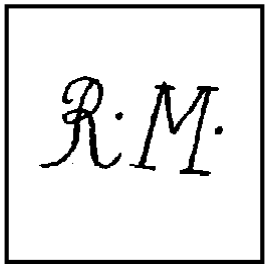
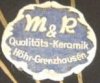
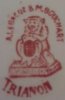
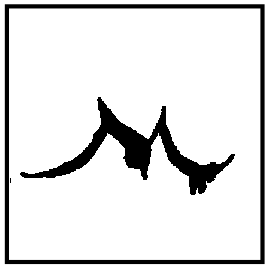
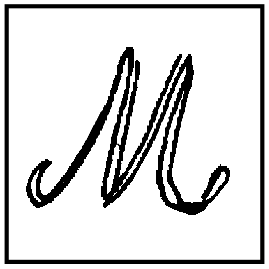
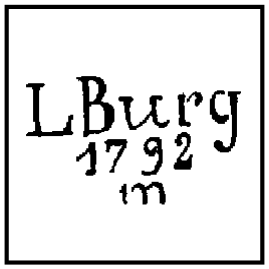
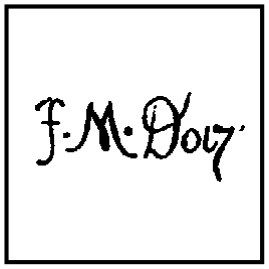
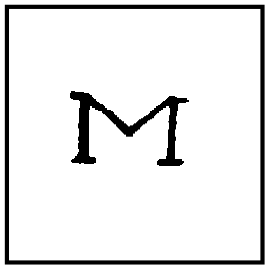
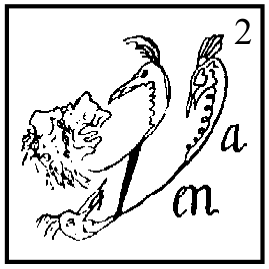
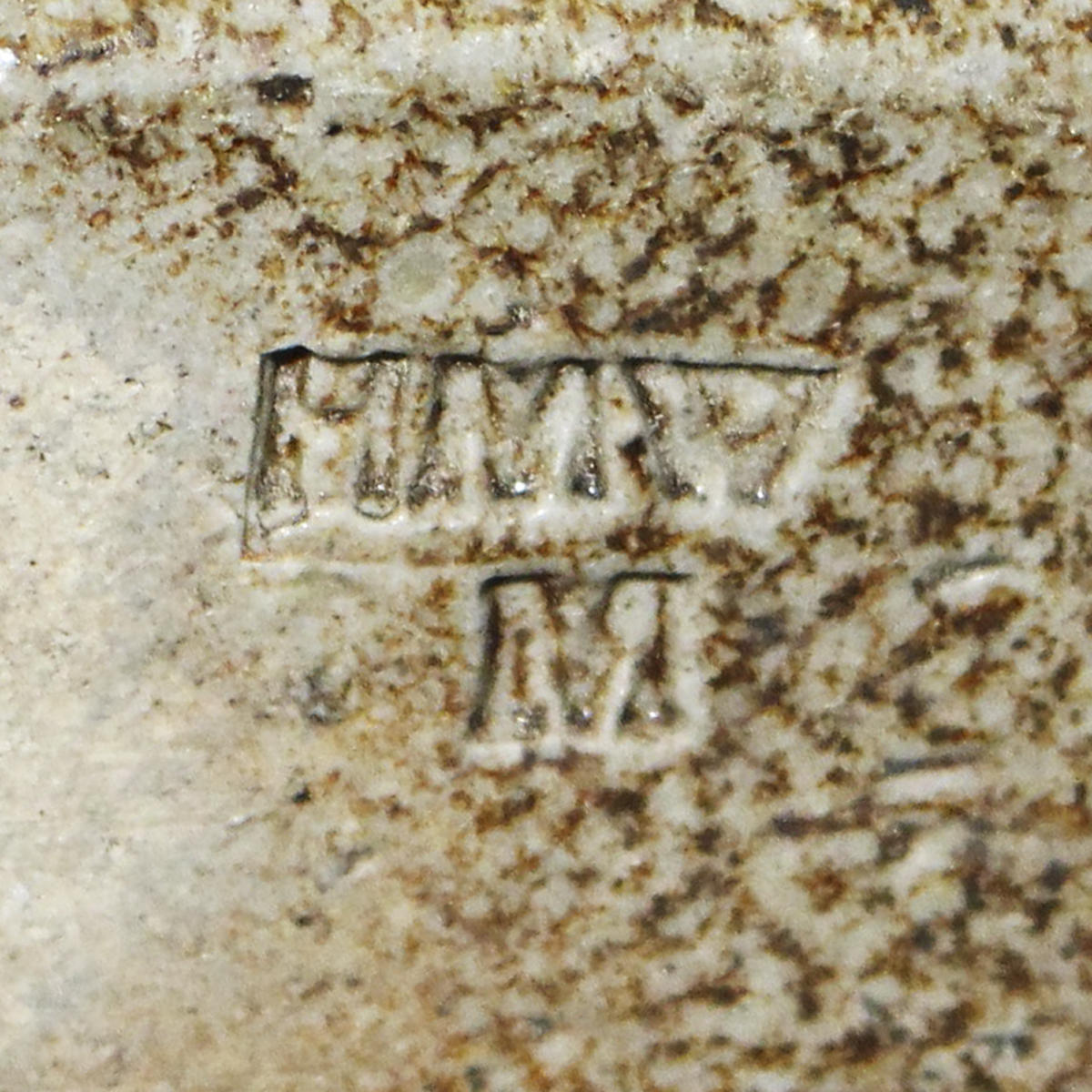
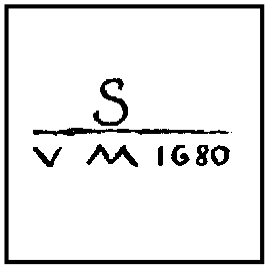
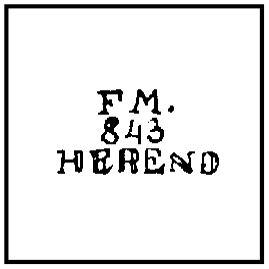
An M on pottery has no single maker or date. On early Minton porcelain, compare an M beneath two crossed, curved strokes with the overglaze-blue device associated with gilded pieces around 1805–1816. Later Minton marks include longer initials: M & B belongs to the Minton & Boyle period around 1836–1841, while many M & Co marks belong to about 1841–1873. Keep the ampersand and following letters. Reducing every one of those marks to M loses the feature that distinguishes the partnership.
On Japanese export porcelain, an M within a leafy wreath is associated with Morimura Brothers and Noritake. The M means Morimura. Read the surrounding words: HAND PAINTED NIPPON, NORITAKE and MADE IN JAPAN distinguish variants rather than changing the meaning of the central letter. The familiar Nippon wreath mark was introduced around 1911 and belongs to the period before the usual export wording changed to Japan in 1921. Later Japan wreath marks continued beyond that change, so the wreath alone does not supply a single date.
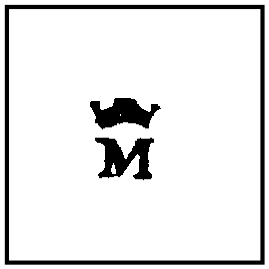
A crown and wreath around M can also occur on Bavarian porcelain. Mitterteich examples commonly include the factory or town name and BAVARIA beneath the emblem. Those words separate the mark from Noritake’s M wreath. The crowned-M family dates from about 1920, with further registrations and redrawn variants in later years. Compare the crown, angular strokes, wreath and complete wording against the specific version. A green mark is not automatically Japanese, and a wreath is not exclusive to one factory.
Crossed swords do not make every M-marked figurine Meissen. Martha Budich’s Dresden business used a related device with letters incorporated into the sword grips. A museum example dates to 1951–1963 and shows how a later decorating company can be confused with the older Meissen emblem. Distinguish a letter underneath crossed lines from letters forming the sword handles, and compare any crown and additional wording. Similar general shapes can belong to different businesses and periods.
A factory device, decorator signature, pattern number and impressed production symbol may share the same base. Their position and technique help keep them apart: note whether the M is part of a printed emblem, painted separately or impressed into the body. Minton employed artists who signed their decoration, so an additional initial need not be a second factory name. Photograph the whole base as well as the letter. Country wording, the clay body and the complete accompanying design are more specific than M on its own.